
Brad Wheal Retires From Professional Cricket at 30 After Persistent Injuries
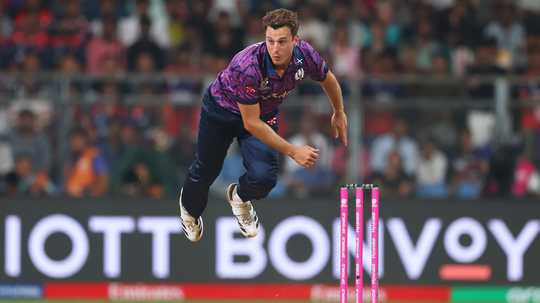
Scotland fast bowler Brad Wheal has retired from professional cricket at the age of 30, bringing an end to a career shaped by international milestones, county success and a series of serious injuries. Wheal said recurring physical problems had made it impossible for his body to withstand the demands of fast bowling.
The right-arm seamer represented Scotland in 44 One-Day Internationals and T20 Internationals, taking 51 wickets. He also played 131 matches for Hampshire across formats, helping the county win the Royal London One-Day Cup in 2018 and the Vitality Blast in 2022.
Wheal’s retirement marks the close of a significant chapter for Scottish cricket. Across a decade in the professional game, he featured in four men’s T20 World Cups and was part of Scotland sides that recorded landmark victories over Bangladesh and the West Indies. His announcement also highlights the physical toll that elite fast bowling can exact, particularly when repeated injuries interrupt a player’s career.
Injuries Force Difficult Decision
Wheal said he had reached the decision after dealing with multiple injuries, including four stress fractures in his back and recent knee surgery. While he described retirement as difficult, he said he had made peace with the choice after recognising that he could no longer meet the physical demands of bowling at pace.
“I’ve loved my time at Hampshire and representing Scotland as a professional cricketer, but unfortunately, recurring injuries have forced my hand,” Wheal said. “It’s not been an easy decision, but one I am at peace with. I’ve had four stress fractures in my back and recently had surgery on my knee, and ultimately my body can’t cope with the demands of fast bowling anymore.”
Back stress fractures are a serious concern for fast bowlers. The repeated impact and twisting involved in delivering at high speed can place considerable strain on the lower back, while knee problems can further affect a bowler’s ability to run in, land and maintain balance. For Wheal, the combination of injuries ultimately made a return to professional cricket unrealistic.
A Scotland Career Built on Major Moments
Wheal made his Scotland debut against Hong Kong in 2016 and went on to become a regular presence in the national setup. His international record includes appearances at four men’s T20 World Cups, an achievement that reflects both his longevity and the trust placed in him by successive Scotland teams.
Among the most memorable occasions of his career were Scotland’s victories over Bangladesh at the 2021 T20 World Cup and the West Indies in 2022. Those results drew attention to Scotland’s ability to compete with established cricket nations and gave supporters landmark moments on the global stage. Wheal’s pace and experience were important assets in a team that increasingly made its presence felt in major tournaments.
He also played a role in Scotland’s campaign at the 2018 World Cup Qualifier, a tournament that helped shape the country’s path in international cricket. Such events require more than individual performances: consistency, discipline and the ability to handle pressure are essential. Wheal’s contribution across these campaigns helped strengthen the team’s competitive depth.
Wheal said representing Scotland had carried special meaning for him and his family. He recalled the World Cup experiences, friendships and shared dressing-room moments as some of the parts of his career he would miss most. He also thanked teammates, coaches, support staff and Scotland fans, particularly those who travelled overseas to follow the team.
Hampshire Honours and Professional Experience
Alongside his international career, Wheal established himself as a valued member of Hampshire’s professional squad. His 131 appearances for the county included cricket across multiple formats, offering him regular exposure to demanding domestic competition and high-level teammates.
Winning the 2018 Royal London One-Day Cup and the 2022 Vitality Blast gave Wheal two major trophies to remember from his time with Hampshire. Success in both 50-over and T20 cricket requires different skills: one-day cricket tests a team’s ability to build and defend an innings over a longer contest, while T20 places a premium on adaptability and execution under intense pressure.
That experience also benefited Scotland. Players who compete regularly in strong domestic leagues can bring tactical awareness, confidence and professional standards into the international dressing room. Wheal’s time at Hampshire helped him develop those qualities while giving him opportunities to test his bowling against a wide range of batters.
Cricket Scotland Praises His Contribution
Steve Snell, Cricket Scotland’s Head of Performance, praised Wheal’s impact over the past decade, describing him as an important part of the national team’s progress. Snell highlighted the fast bowler’s performances in the 2018 World Cup Qualifier and Scotland’s wins over Bangladesh and the West Indies.
“To represent Scotland at four T20 World Cups is a superb achievement, and Brad has consistently demonstrated his quality against some of the best players in the world,” Snell said. He also pointed to Wheal’s experience in professional cricket, his fast-bowling skills and the standards he brought to the team as valuable contributions to his teammates and the wider programme.
Snell added that Wheal could look back on his international career with pride and thanked him for his commitment to Scottish cricket. The tribute reflects the broader value of a player whose influence extended beyond his statistics: experience and professionalism can help set expectations for a squad, particularly as an associate nation seeks to build consistency against full-member opponents.
What Comes Next for Wheal and Scotland?
Wheal has not announced what he plans to do next, but he has made clear that he will continue following Scotland and supporting the team from afar. Retirement from playing does not erase the relationships or memories built over years in the game, and his experience may remain relevant to Scottish cricket in future roles, should he choose to stay involved.
For Scotland, his departure leaves a gap in the pace-bowling group and removes a player with major-tournament experience. The team will need to develop new options capable of delivering control and threat across formats. Wheal’s career also serves as a reminder that fast-bowling depth depends not only on talent, but on careful workload management, recovery and support for players dealing with long-term injuries.
There is no prediction that can soften the disappointment of a career ending earlier than hoped. Yet Wheal leaves the professional game with World Cup appearances, major domestic titles and a place in some of Scotland’s most memorable cricket victories. His decision may be difficult, but his contribution to both Scotland and Hampshire gives him plenty to look back on with pride.