
West Indies See Progress as the Bigger Prize Ahead of T20I Decider
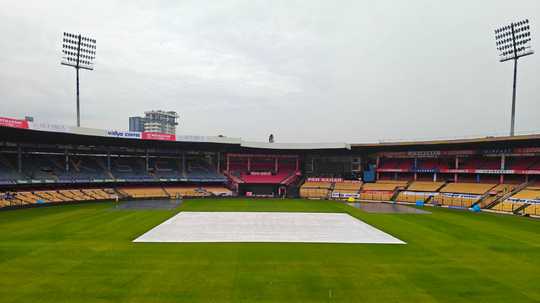
With the five-match T20I series tied at 2-2, West Indies head coach Daren Sammy is looking beyond the final score as his team prepares to face India at Bengaluru’s Chinnaswamy Stadium. For Sammy, the tour has already delivered a meaningful measure of success: his side have competed strongly against the reigning champions and shown signs of sustained improvement in Indian conditions.
Speaking on the eve of the series decider, Sammy said West Indies’ progress mattered as much as the result. He noted that the team had won more than two matches on Indian soil for the first time in two decades, describing the achievement as evidence of how far the group has come despite the challenges of touring a formidable opponent.
The series finale now offers West Indies a chance to turn that progress into a memorable result. India, meanwhile, will be eager to use home advantage and the energy of the Chinnaswamy crowd to regain control. For fans following the contest, any cricket prediction must account for both sides’ strengths: India’s explosive batting and West Indies’ growing ability to apply pressure once the Powerplay ends.
West Indies’ Power-Hitting Has Kept Them in the Contest
Batting-friendly pitches have encouraged aggressive cricket throughout the series, and West Indies have made the most of the conditions. They have hit 57 sixes across the first four T20Is, compared with India’s 41, repeatedly demonstrating their capacity to change a match in a handful of overs.
Their approach has not relied on boundaries alone. West Indies have also kept dot-ball consumption unusually low across the ODI and T20I portions of the tour, helping them maintain scoring pressure and avoid long periods of stagnation. That combination of power and intent has made their batting unit difficult to contain, particularly when the top order finds its rhythm.
Still, Sammy believes the most important development has come with the ball. West Indies have increasingly found ways to slow India after the opening six overs, when the fielding restrictions are lifted and captains can spread their field. On surfaces where even well-directed deliveries can disappear to the boundary, that ability to interrupt momentum has been central to keeping the series level.
Middle-Overs Bowling Has Changed the Momentum
India’s starts have often been fast, but West Indies have done a better job in the most recent matches of preventing that early scoring rate from carrying through the middle overs. In the third T20I in Indore, India were held to 136 for nine, scoring at 9.71 runs per over. In Hyderabad, India again began aggressively, yet West Indies kept the chase below the required rate despite the early surge.
Sammy stressed that T20 cricket is shaped by momentum. A team that leaves the Powerplay with a strong scoring rate can put bowlers under immediate pressure, but a timely wicket or a quiet over can shift the contest. West Indies’ bowlers have managed to create that change by sticking to clear plans and executing them more accurately once the field spreads.
The results have been encouraging: West Indies took ten wickets across the last two games, a notable return on pitches offering little assistance to bowlers. Sammy said the team must continue to identify ways to contain India’s dangerous batters, including Sanju Samson when he is settled and Abhishek Sharma when he gets an opportunity to build an innings.
Roston Chase Leads the Middle-Overs Effort
Offspinner Roston Chase has been one of West Indies’ most influential performers. He is among the series’ leading wicket-takers with six scalps, four of them collected between overs seven and 15. His economy rate of 6.80 in that phase has helped West Indies restrict scoring and create pressure at a time when India often look to accelerate.
Sammy praised Chase’s consistency, describing him as the series’ best bowler so far. The coach’s assessment reflects more than the spinner’s wicket tally: Chase has repeatedly made batters work for runs, giving the bowlers at the other end a chance to attack. Even when he does not take a wicket, his control can help produce opportunities elsewhere.
That partnership between bowlers is especially valuable on high-scoring grounds. In T20 cricket, a spell can be effective even without a string of wickets if it limits the opposition’s options and forces batters to take risks against less favourable match-ups.
Execution Matters More Than Perfect Conditions
West Indies’ defence in Hyderabad offered a clear example of Sammy’s emphasis on staying composed. India raced to 50 in three overs while chasing 248, putting the visitors under immediate pressure. Yet over the remaining 16.3 overs, West Indies conceded 15 or more runs in only one over, showing how quickly a disciplined bowling effort can steady a game that appears to be slipping away.
Sammy’s message to his bowlers is to focus on the next delivery rather than dwell on what has already happened. On a flat pitch, a good ball can still be hit for four or six, so bowlers cannot judge their execution by the outcome of one delivery alone. Instead, they need to stay patient, assess the batter and build a sequence that makes scoring progressively more difficult.
That sequence might include wide yorkers, slower balls or bouncers, but the aim is to make batters face deliveries that are harder to attack consistently. Sammy said bowlers must look for a batter’s weakness or a difficult area of the pitch and keep directing the ball there. On surfaces with slim margins for error, a clear plan can be more valuable than simply trying to bowl faster or fuller.
What to Watch in the Bengaluru Decider
The Chinnaswamy Stadium is known for short boundaries and lively scoring, making the final match a compelling test of West Indies’ middle-over control. If India’s batters dominate the Powerplay and carry that momentum forward, the hosts could gain a decisive advantage. If West Indies can take early wickets or use Chase and the other bowlers to slow the scoring, the visitors will have a strong chance of taking the series.
Any cricket prediction for the decider remains difficult because both teams have shown they can produce powerful batting displays. The key may be less about who hits the most sixes and more about who controls the quieter stretches of the innings. West Indies have already shown that they can recover after an expensive start; repeating that discipline in Bengaluru would give them a realistic opportunity to finish the tour on a high.
For Sammy, the wider impact of the series matters too. Competitive performances against India have drawn attention and given supporters across the Caribbean reason to rally behind the team. He said strong West Indies cricket can lift the mood at home, making the final not only a sporting contest but also an opportunity to reward fans who have followed the team throughout the tour.
Weather permitting, the decider will bring the series to a close and reveal whether West Indies’ progress can culminate in a series victory. Whatever the outcome, their power-hitting, improved bowling plans and resilience under pressure have made this tour a significant step forward—and ensured that the final match carries genuine stakes for both teams.