
Sammer Warns Jürgen Klopp After Bayern–Arsenal Tactical Comments
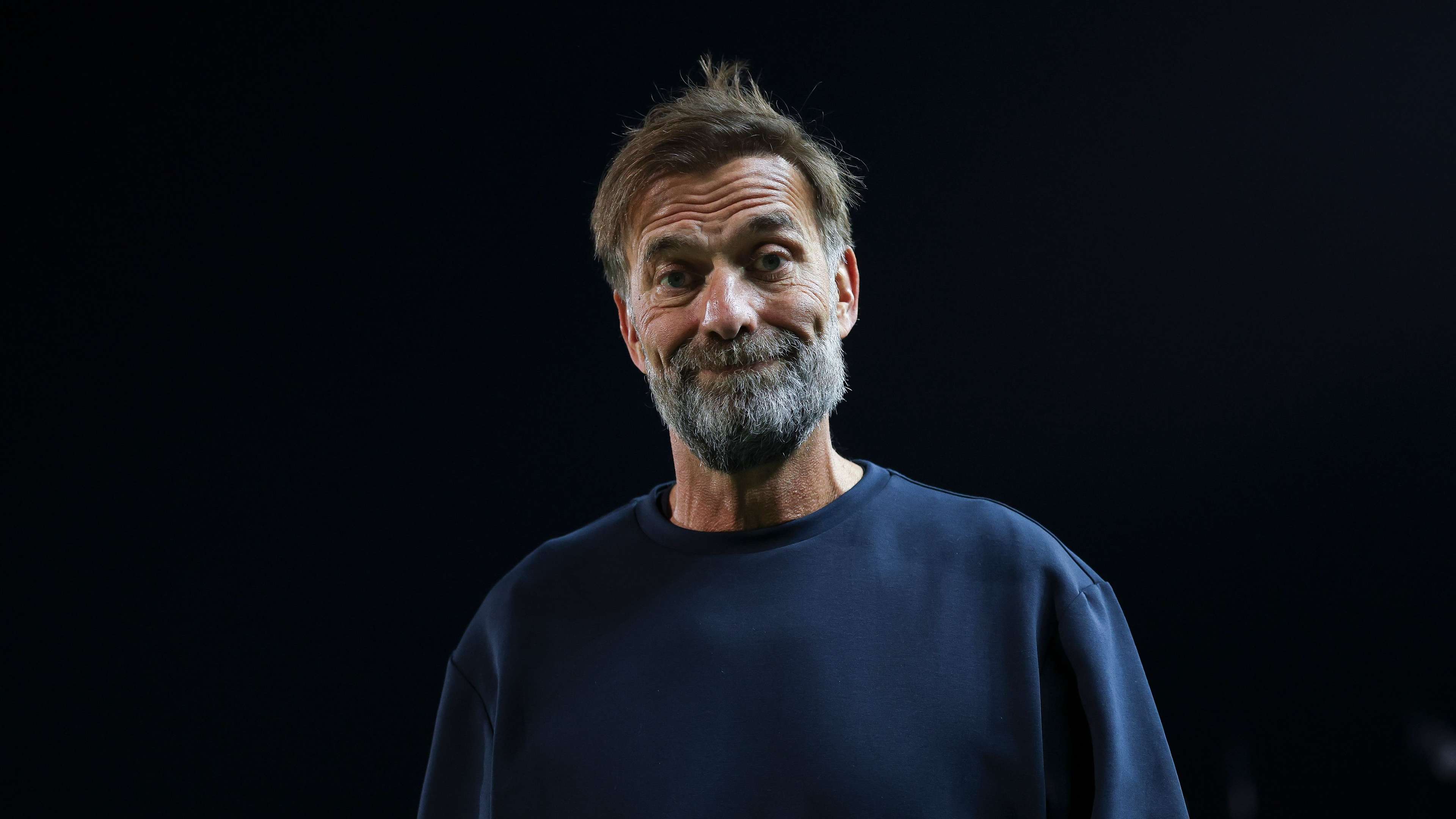
Jürgen Klopp’s half-time remarks during Bayern Munich’s Champions League draw with Arsenal continue to attract attention, with former Germany sporting director Matthias Sammer urging the national team coach to consider how his public comments may be received. The discussion has become about more than Bayern’s tactics: it has also raised questions about the responsibilities and expectations attached to Klopp’s new role with Germany.
The match ended 2–2, but Klopp’s analysis of Bayern’s defensive approach and Harry Kane’s positioning remained a talking point in the days that followed. Speaking on Sky’s Sammer & Basile – der Hagedorn-Talk, Sammer said Klopp may have underestimated how sensitive football audiences can be to comments from a national coach—particularly when those comments concern a prominent club and its players.
Sammer Says Klopp Must Adjust to His New Role
Sammer, a former Germany international and the 1996 European Championship winner, suggested Klopp would quickly learn to navigate the public demands of the job. In his view, the national team coach’s words carry particular weight because they are heard not only as a pundit’s observations, but also through the lens of his position within German football.
“I think he needs to learn quickly,” Sammer said, arguing that Klopp had somewhat underestimated the sensitivities surrounding his role. He added that Klopp would soon understand which subjects merit comment and which are better left alone.
Sammer was especially direct when asked whether Klopp should be more restrained in future. He answered that the coach was not helping himself with remarks of this kind, although he also stressed that Klopp had the personality and experience to handle criticism. The point, Sammer suggested, was not that Klopp should avoid honest analysis, but that he should be aware of the influence his position gives his words.
What Klopp Said About Bayern’s Defensive Structure
Klopp’s comments came during the Champions League match between Bayern and Arsenal, when he was discussing the home side’s work without the ball. He said he had not yet fully worked out what Bayern were trying to do defensively and wanted to understand their approach better.
Klopp described Bayern’s system as flexible, noting that the team sometimes appeared to use hybrid roles, sometimes pressed man-to-man and at other moments defended zonally. His remarks were framed as an admission that he was still studying the team’s patterns. Yet, because he is now Germany’s head coach, even a tentative tactical observation quickly became a broader public debate.
That distinction matters in modern football. Coaches and analysts regularly assess pressing triggers, defensive lines and changes in formation, but comments from a national team manager can be interpreted as more than neutral analysis. Supporters may hear an implied judgment, while clubs can be sensitive to outside scrutiny—especially during a high-profile European fixture.
Harry Kane’s Movement Becomes Part of the Debate
Klopp also questioned how Bayern used striker Harry Kane during the match. Kane, known for his finishing as well as his ability to drop into deeper areas and link play, moved away from the traditional centre-forward position at different points. Klopp acknowledged that such movement can be valuable when Bayern have possession, but appeared less convinced by Kane’s positioning during a midfield press.
He began to explain his concern, then left the thought unfinished before adding that he was not “the pope of football” and that teams were free to play as they wished. The qualification softened the tone, but the exchange still invited interpretation. Some viewers saw a tactical question about whether a striker should lead the press from a particular position; others viewed it as unnecessary criticism of Bayern’s game plan.
Kane’s role is a familiar subject in tactical discussion. A forward who drops deep can help create passing angles, draw defenders out of position and connect midfield with attack. The trade-off is that the team may have fewer players occupying the last defensive line, or may need coordinated movement from wingers and midfielders to maintain pressure. Whether that approach works depends on the opponent, the timing of the press and the players’ ability to shift together.
Kompany Declines to Respond
Bayern head coach Vincent Kompany was asked about Klopp’s remarks after the match but chose not to engage. He declined to comment and moved on to the next question. That brief response prevented the post-match discussion from becoming a direct exchange between the two coaches, although it did little to stop debate elsewhere.
The 2–2 result itself offered plenty for analysts to examine, with both teams showing attacking quality and defensive vulnerabilities. In a close Champions League contest, tactical choices are naturally scrutinised: when a team presses, how it protects the space behind its midfield and whether its centre-forward stays high or drops deeper can all influence the flow of a game. Klopp’s observations therefore touched on genuine football questions, even as Sammer challenged the way they were expressed.
Klopp’s Transition From Pundit to Germany Coach
The episode also reflects Klopp’s recent transition into international management. Before taking charge of Germany, he covered the North American World Cup as a television pundit for MagentaTV. His commentary attracted attention on several occasions, including a pointed remark about Julian Nagelsmann that referenced the Germany coaching position.
Moving from television analysis to the national team dugout changes the context around every public appearance. A pundit is generally expected to offer opinions; a national coach must also protect relationships across the domestic game, communicate carefully and keep attention on the team’s objectives. Klopp’s direct style is part of his public identity, but Sammer’s criticism suggests that the same candour can carry different consequences in his current role.
For supporters following Germany, the immediate focus will be on whether the debate affects preparations or remains a media talking point. Klopp’s next challenge is to turn attention back to the national side, where selection, team balance and performance will ultimately matter more than a single television exchange. Any prediction about how Germany will respond should be based on the team’s form and tactical development, rather than on speculation about the comments alone.
Germany’s Upcoming Nations League Fixtures
Germany are scheduled to face Serbia on 13 November and the Netherlands on 16 November in their Nations League programme. The fixtures will provide Klopp with an opportunity to assess his squad in competitive matches and build momentum ahead of future international commitments.
Those games are likely to draw attention to Germany’s own pressing structure and the responsibilities of its forwards—precisely the subjects that fuelled the Bayern discussion. For Klopp, the challenge is to apply his tactical ideas while managing the scrutiny that comes with leading the national team. For Sammer, the lesson is straightforward: strong opinions may be part of football, but a coach’s position can make even exploratory comments resonate far beyond the match in which they were made.