
Salman Agha’s Century Powers Pakistan to a 37-Run Win Over Sri Lanka
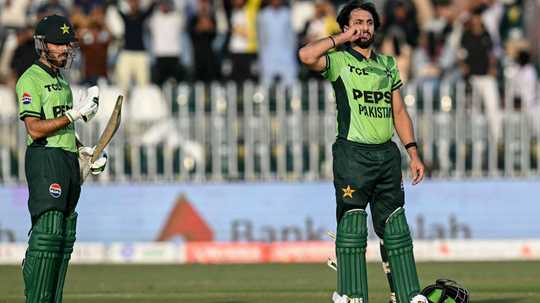
Pakistan began their tri-series campaign with a hard-earned 37-run victory over Sri Lanka in Rawalpindi on Sunday, October 18. Salman Agha’s composed century proved decisive, lifting the hosts to 305 despite a late batting collapse. Sri Lanka mounted a spirited chase through Pavan Rathnayake and Janith Liyanage, but Pakistan’s bowlers struck at crucial moments to defend the total and finish the match in 48.1 overs.
The result offered plenty of early talking points for cricket fans: Agha’s match-shaping innings, Eshan Malinga’s four-wicket haul, and a Sri Lankan recovery that briefly made the chase look possible. For anyone considering a match prediction based on the middle overs, the contest showed how quickly momentum can change—and how vital it is to take wickets when a partnership is building.
Pakistan Recover After Early Wickets
Asked to bat first, Pakistan did not enjoy the smooth start they might have wanted. Fakhar Zaman made use of a free hit to launch an early six and added a couple of boundaries, but Sri Lanka’s Dilshan Madushanka soon removed both opening batters inside the first six overs. The early strikes gave the visitors an opportunity to put pressure on Pakistan before the innings had settled.
Babar Azam and Saad Baig responded positively, finding boundaries and keeping the scoring rate moving. Baig was particularly aggressive, using his power to clear the rope and prevent Sri Lanka from tightening their grip. The pair appeared to have restored some stability before Eshan Malinga returned to break the stand.
Babar, five runs short of a half-century, attempted a pull shot but could not control it. Malinga then struck again in his next over, dismissing Baig with a short delivery that produced a top edge. Those wickets left Pakistan needing another partnership, and Sri Lanka had a chance to restrict the hosts to a modest total.
Agha Anchors the Innings and Reaches Three Figures
Salman Agha and Hasan Nawaz steadied Pakistan with a valuable partnership, rebuilding the innings without allowing the bowlers to dictate every over. As they grew more comfortable, the boundaries returned. Agha brought up his half-century, while Nawaz attacked the leg side with a six over deep midwicket, helping Pakistan regain momentum.
Sri Lanka eventually separated the pair by dismissing Nawaz, but Agha continued to guide the innings. He mixed measured rotation of the strike with well-timed attacking shots, ensuring Pakistan remained on course for a total above 300. His century gave the hosts a strong platform and made him the standout batter of the match.
Pakistan’s finish, however, was far from ideal. Arafat Minhas’s dismissal triggered a late slide, and the hosts lost their final five wickets in the last six overs while adding only 37 runs. Agha was among those dismissed, unable to clear the fielder at long-on. Malinga finished with four wickets for 46 runs, a reward for his ability to strike at important stages. Even with the late collapse, Pakistan reached 305 in 49.5 overs—a total that would prove sufficient.
Sri Lanka’s Chase Falters Before a Strong Partnership
Sri Lanka’s reply began poorly. Avishka Fernando fell after a top edge, while Kusal Mendis struggled to score freely. At one stage, Mendis had made only 13 from 31 deliveries, leaving the visitors short of the early momentum required in a chase of 306. Faheem Ashraf eventually ended his innings, increasing the pressure on Sri Lanka’s middle order.
Pavan Rathnayake entered during a difficult passage and took time to find his rhythm. Pakistan captain Shaheen Afridi then made the situation worse for the visitors, claiming two wickets in two overs. By the end of the 20th over, Sri Lanka were 91 for four and in need of a substantial partnership to keep their hopes alive.
Rathnayake and Janith Liyanage supplied exactly that. The pair began to find the boundary more regularly, rebuilding the chase and forcing Pakistan to work for every breakthrough. Rathnayake reached his half-century after the second drinks break and then struck Afridi for consecutive sixes. Their stand brought Sri Lanka back into contention and made the closing stages far less predictable.
Pakistan Strike at the Decisive Moments
Just as the partnership threatened to shift the match, Rathnayake hit a delivery straight to cover and departed for 79. His dismissal gave Pakistan a crucial opening, but Dasun Shanaka initially kept Sri Lanka’s hopes alive. He attacked Ashraf with a pair of boundaries and pulled Minhas away for another forceful shot.
Haris Rauf then removed Liyanage, who had contributed 60, leaving Shanaka with the responsibility of steering the lower order through the remaining overs. Pakistan responded by turning to Afridi for a decisive spell. The captain’s decision to bowl himself out immediately paid off: he dismissed Shanaka and left Sri Lanka’s tail facing a steep task.
Naseem Shah and Rauf completed the job as the remaining batters fell, with Sri Lanka all out for 268 in 48.1 overs. Afridi finished with three wickets for 55, while Naseem claimed two for 43. Their timely strikes prevented the Rathnayake-Liyanage partnership from becoming the foundation of a successful chase.
What the Result Means for the Tri-Series
Pakistan’s 37-run win gives them a positive start to the tri-series and highlights the value of building a competitive total even when the final overs do not go to plan. Agha’s 107 was central to that effort, while the bowling unit showed composure when Sri Lanka’s middle order began to take control.
For Sri Lanka, the chase demonstrated both promise and a familiar challenge: a strong recovery can bring a team close, but losing set batters at key moments makes the finish much harder. The match also offers a useful lesson for future cricket analysis and prediction: a total of 305 looked commanding, yet Sri Lanka’s century stand showed that no target is secure until the pressure is converted into wickets.
Brief scores: Pakistan 305 in 49.5 overs (Salman Agha 107, Babar Azam 45; Eshan Malinga 4-46) beat Sri Lanka 268 in 48.1 overs (Pavan Rathnayake 79, Janith Liyanage 60; Shaheen Afridi 3-55, Naseem Shah 2-43) by 37 runs.