
Barcelona Face Defensive Injury Crisis After 5-2 Win Over Real Betis
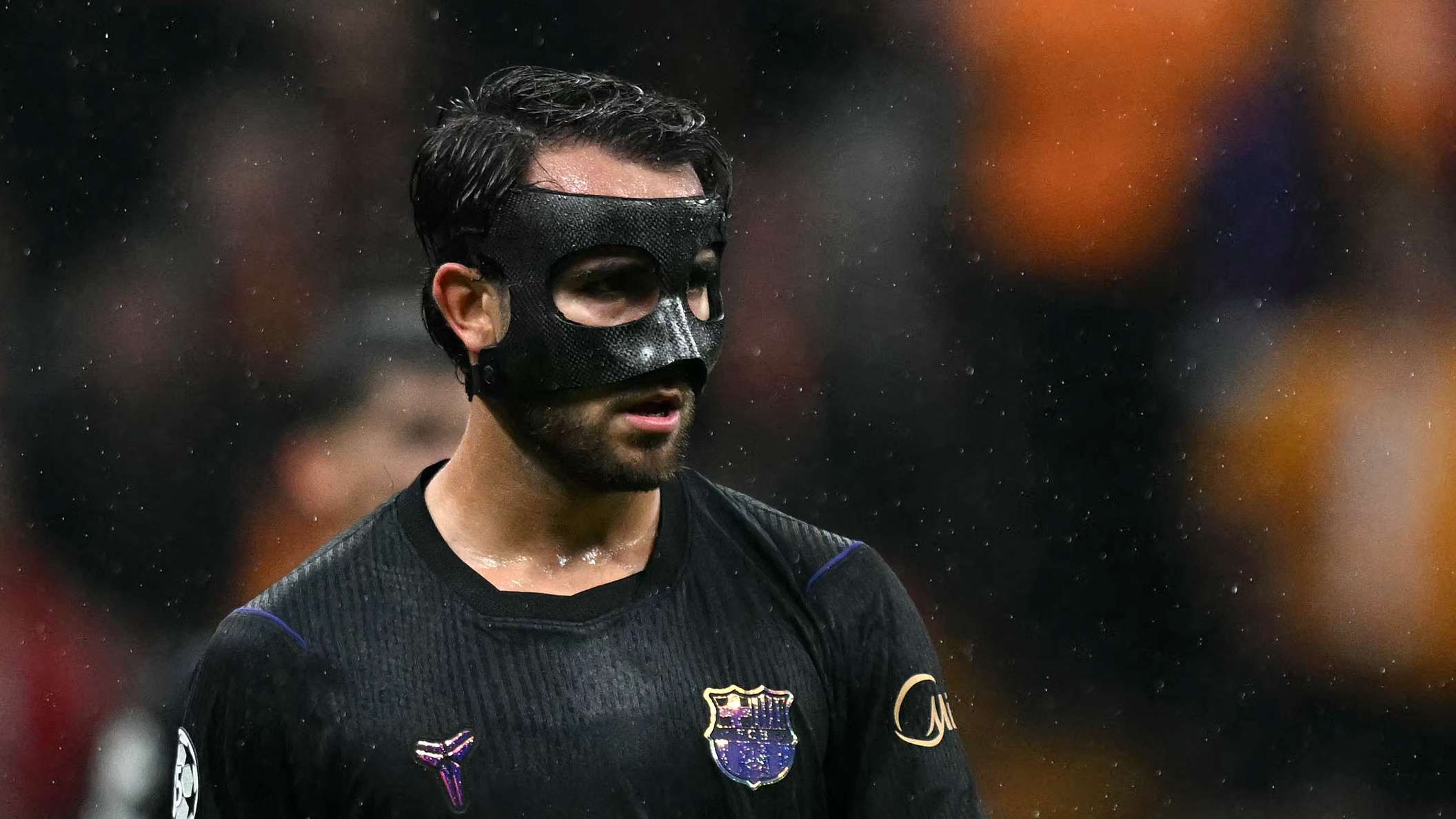
Barcelona’s emphatic 5-2 victory over Real Betis delivered three valuable La Liga points, but the result came with a worrying cost. The Catalan side emerged from the match facing renewed concerns over its defence, with injuries threatening to disrupt preparations for a demanding run of fixtures.
For head coach Hansi Flick, the timing could hardly be more difficult. Barcelona are approaching high-profile tests against Paris Saint-Germain and Real Madrid, matches that will demand concentration, organisation and experience at the back. A depleted defensive unit could force Flick to rethink his plans just as the season’s biggest challenges begin to arrive.
A convincing result, followed by difficult questions
Barcelona’s five-goal performance against Betis offered plenty for supporters to celebrate. The team showed its attacking quality and ability to create pressure, turning a major league fixture into a statement win. Yet the final score does not tell the full story of the evening. Injuries sustained around the match have shifted attention from the attack to the availability of the defenders who must protect the team in the weeks ahead.
In a long campaign, injuries are an unavoidable part of football. Their impact, however, depends heavily on when they occur and which positions are affected. A problem in defence can be especially disruptive because partnerships and communication are built through repeated minutes together. If several players are unavailable at once, even a squad with considerable depth may need time to adjust.
Barcelona’s immediate challenge is therefore twofold: assess the condition of the affected players and prepare alternatives without losing the balance that has helped the team produce strong performances. The club will want to avoid rushing anyone back, but it must also find a reliable defensive structure for fixtures where small mistakes can have major consequences.
Why the timing matters for Hansi Flick
The upcoming schedule raises the stakes. Paris Saint-Germain present a demanding European opponent, while the meeting with Real Madrid is one of the most closely watched fixtures in Spanish football. Both games are likely to test Barcelona’s ability to defend transitions, manage pressure and remain composed when opponents attack quickly.
Against elite opposition, the defensive line is often asked to make decisions in tight spaces. Centre-backs need to coordinate their positioning, full-backs must judge when to advance, and midfielders have to provide protection in front of the back four. When established players are missing, those responsibilities do not disappear. They are simply transferred to teammates who may have had fewer opportunities to work together.
Flick’s approach will be closely examined. The coach may choose to keep his preferred system and introduce replacements, or make adjustments to reduce the strain on an inexperienced or reshuffled defence. Either option carries trade-offs. A more cautious shape could improve protection but limit Barcelona’s attacking momentum; maintaining an aggressive approach may preserve the team’s identity while leaving space for opponents to exploit.
Squad depth and tactical flexibility become crucial
Barcelona’s response will depend on the severity of the injuries and the players available for selection. If the absences are short-term, careful rotation could help the team get through the immediate schedule. If they last longer, Flick may need to rely on squad players, younger members of the group or positional changes to cover the gaps.
That situation creates both a challenge and an opportunity. Backup defenders can gain valuable experience in major matches, while younger players may be asked to show whether they are ready for a larger role. At the same time, stepping into a high-pressure fixture is not the same as appearing in a routine league game. The coaching staff must consider confidence, match fitness and compatibility with the players around them—not just a player’s natural position.
Barcelona could also look to its midfield for additional defensive support. A compact midfield can help limit the number of direct attacks faced by the back line, especially when the team loses possession. Better pressure on the ball can give defenders more time to organise, while disciplined positioning may help cover the spaces left by attacking full-backs.
What the injury news could mean for the season
One difficult spell does not define a campaign, and Barcelona still have the quality to compete across multiple competitions. But the situation highlights how quickly a positive result can be overshadowed by concerns about player availability. A team’s depth is tested most severely when important fixtures arrive close together and there is little time to recover between them.
The club’s medical updates will be important in determining the scale of the problem. Supporters and analysts will be watching for clearer information on recovery timelines, training participation and whether any injured players can return in time for the PSG or Madrid matches. Until then, predictions about Barcelona’s likely line-up remain uncertain.
From a football prediction perspective, defensive injuries can influence expectations without making the outcome inevitable. Barcelona’s attacking threat remains a major factor, particularly after scoring five against Betis. However, the balance between attack and defence may be harder to maintain if Flick has to use unfamiliar combinations at the back. Opponents could target that uncertainty by pressing aggressively or attacking the channels behind the defensive line.
Barcelona’s next test is about more than results
The coming fixtures will reveal how effectively Barcelona can adapt under pressure. A strong defensive performance would demonstrate that the squad has enough depth to withstand setbacks, while a change in tactics could show Flick’s willingness to prioritise control over spectacle when circumstances require it.
For now, the 5-2 win over Real Betis remains an impressive achievement—but it has been followed by a serious selection concern. Barcelona must balance recovery, rotation and tactical preparation as it approaches two of the most demanding games on its calendar. The club’s ability to protect its defence, support any replacements and keep its attacking rhythm could shape the outcome of this crucial stretch of the season.