
Are Football Fans More Attached to Players Than Clubs?
Football fans have long been known for their unwavering loyalty to the clubs they support. However, a new trend has emerged in recent years, suggesting that fans are becoming more attached to individual players than to the clubs themselves.
The Rise of Player-Centric Support
In the past, fans would show their allegiance to a club by proudly wearing its crest on their shirts and passionately supporting the team through thick and thin. However, a shift has occurred, with supporters now forming stronger connections with star players rather than the clubs they represent.
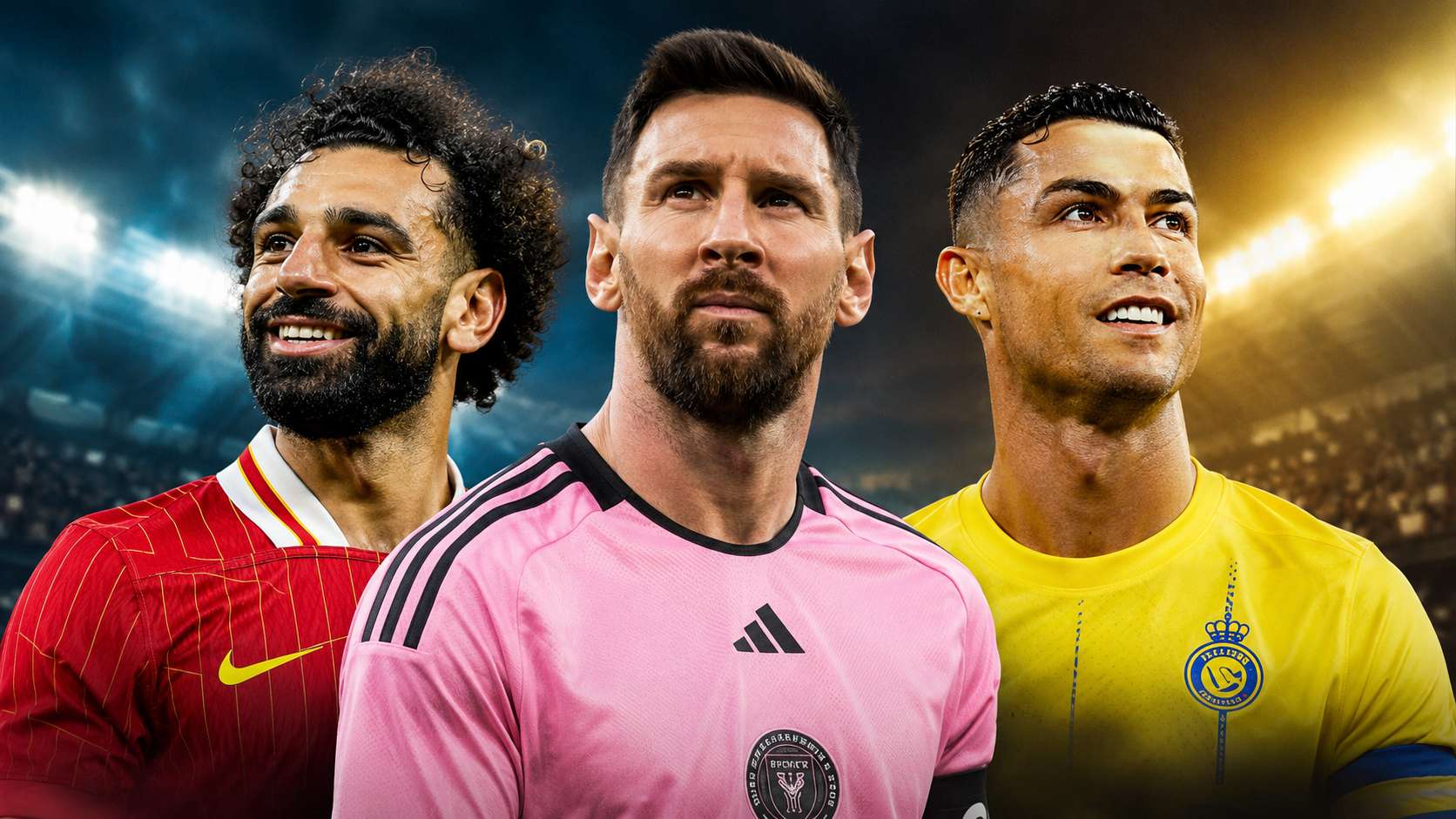
One prime example of this phenomenon is the recent transfer of Lionel Messi to Inter Miami. The Argentine superstar’s move to the MLS club caused a major stir in the football world, with fans flocking to support his new team. The impact was immediate and significant, with Inter Miami’s social media following skyrocketing, merchandise selling out, and ticket prices soaring.
What is particularly noteworthy is that many of the new fans who jumped on the Inter Miami bandwagon were not necessarily drawn to the club itself or its history. Instead, they were attracted by the opportunity to watch Messi play for their team, highlighting the growing trend of player-centric support in modern football.
The Changing Landscape of Fan Loyalty
This shift in fan behavior raises important questions about the nature of loyalty in football. Are supporters now more interested in individual players than the clubs they represent? Has the power dynamic between clubs and players shifted in favor of the latter?
While clubs have historically been the focal point of football fandom, the rise of superstar players like Messi has blurred the lines between team allegiance and player admiration. Fans are now more likely to follow their favorite players wherever they go, even if it means supporting a new club or league.
The Impact on Football Culture
As fans continue to gravitate towards star players, the traditional dynamics of football fandom are evolving. Clubs are increasingly relying on the popularity of individual players to attract new supporters and drive revenue, leading to a more player-centric approach in marketing and branding.
While this trend may bring short-term benefits for clubs like Inter Miami, it also raises concerns about the long-term sustainability of fan loyalty. Will fans remain loyal to a club once their favorite player moves on, or will they follow them to their new team?
As football continues to evolve, the relationship between fans, clubs, and players will undoubtedly continue to change. Whether this shift towards player-centric support is a passing trend or a lasting change in football culture remains to be seen.
Keywords: football, prediction
The Influence of Social Media on Player-Centric Support
One key factor driving the rise of player-centric support in football is the role of social media. Platforms like Instagram, Twitter, and TikTok have given players a direct line of communication with fans, allowing them to showcase their personalities, lifestyles, and off-field interests. As a result, fans feel a more personal connection to their favorite players, often transcending the traditional club allegiance.
Players like Cristiano Ronaldo and Neymar have amassed millions of followers on social media, leveraging their influence to engage with fans on a global scale. This direct interaction has contributed to the shift towards player-centric support, as fans feel a stronger emotional attachment to the individual behind the jersey rather than the club logo itself.
The Role of Fantasy Football and Prediction Games
Another aspect influencing the growing attachment to players in football is the popularity of fantasy football and prediction games. These platforms allow fans to create their own virtual teams, selecting players based on performance, statistics, and matchups. As a result, fans become more invested in the individual success of players, often prioritizing their fantasy team over their favorite club.
Prediction games, where fans can predict match outcomes, player performances, and league standings, also contribute to the player-centric trend. Fans enjoy analyzing player statistics, formulating strategies, and competing against friends and fellow supporters, further strengthening their attachment to individual players.
The Evolution of Player Transfers and Superstar Culture
In the modern era of football, player transfers have become a spectacle in themselves, with multi-million dollar deals and high-profile signings dominating headlines. As top players move between clubs, leagues, and continents, fans tend to follow their favorite stars, regardless of the team they represent.
The rise of superstar culture in football has further fueled the trend towards player-centric support. Players like Messi, Ronaldo, and Mbappé have transcended the sport, becoming global icons with immense popularity and influence. Fans are drawn to these larger-than-life personalities, often forming deep connections with them that overshadow their loyalty to any particular club.
Conclusion: The Future of Fan Loyalty in Football
As football continues to evolve, the dynamics of fan loyalty are likely to undergo further changes. While clubs remain the foundation of the sport, the influence of individual players is becoming increasingly pronounced. The rise of player-centric support, fueled by social media, fantasy football, and superstar culture, is reshaping the way fans engage with the game.
Whether this shift towards player attachment is a passing trend or a permanent fixture in football culture remains to be seen. However, one thing is certain: the relationship between fans, clubs, and players will continue to evolve in response to changing trends, technologies, and player dynamics. The future of fan loyalty in football may lie in the hands of the players themselves, as fans navigate the complex landscape of club allegiance and individual admiration.
Keywords: football, prediction