
Football Passion, Controversy, and Respect: Iraq’s Zidane Iqbal Shares His Side After Gulf Cup Clash
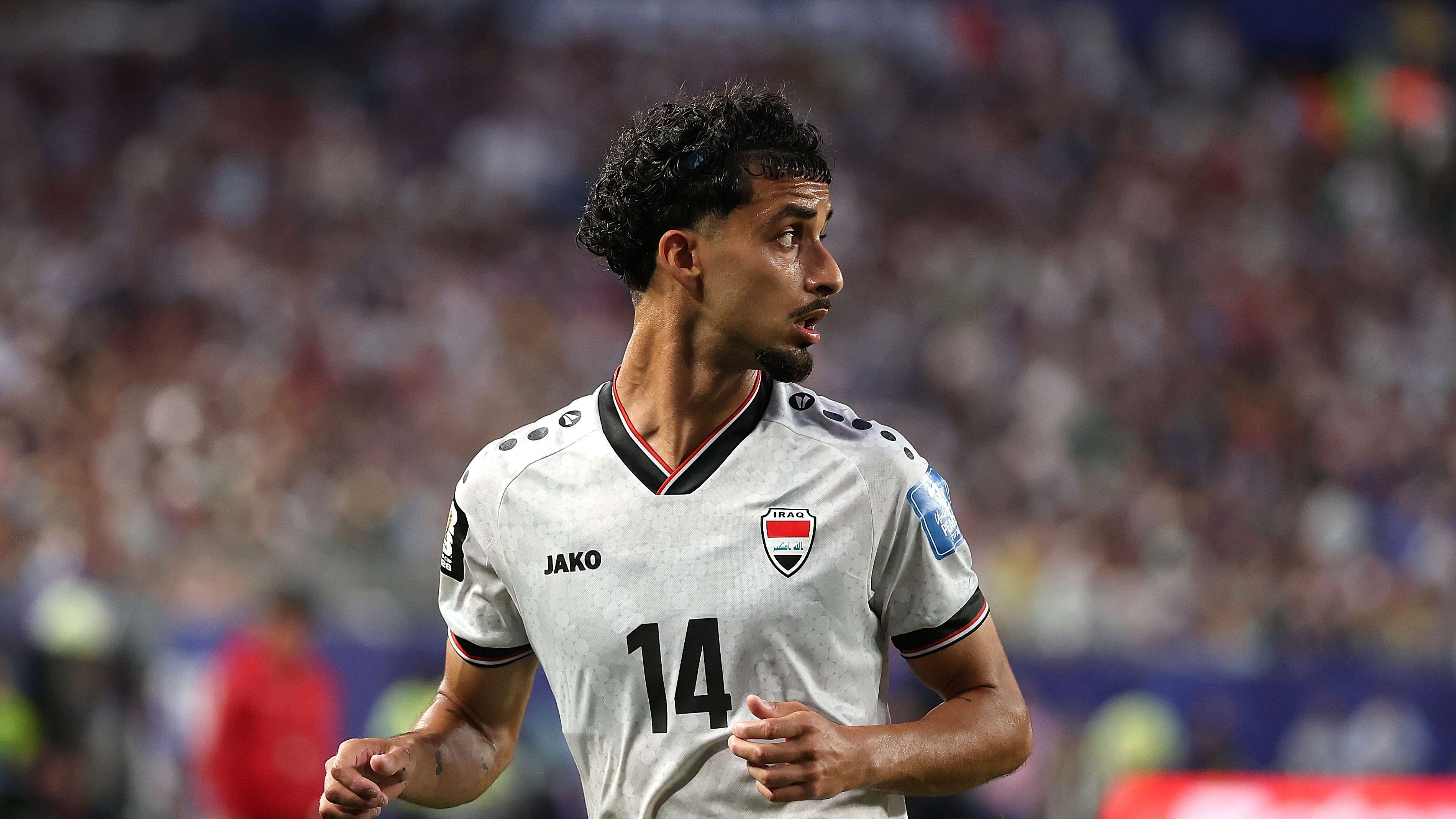
The world of football is renowned for its intense rivalries, passionate fans, and moments that test the spirit of sportsmanship. Recently, the Gulf 27 (Arabian Gulf Cup) witnessed a fiercely contested match between Iraq and Kuwait, culminating in a dramatic 3-2 victory for Iraq. However, beneath the surface of this thrilling encounter lies a compelling story of personal resilience, cultural identity, and the ongoing debate about respect in football. Central to this narrative is Iraqi international player Zidane Iqbal, whose candid revelations shed light on the challenges faced both on and off the pitch.
Unforgettable Moments on the Field: A Thrilling Victory
The match was nothing short of a rollercoaster ride for football fans and analysts alike. Iraq, led by the talented Zidane Iqbal, took an early lead with a spectacular opening goal that energized the Iraqi squad and supporters. Iqbal’s goal was a testament to his skill and composure under pressure. Kuwait fought back fiercely, with Yousef Nasser netting two crucial goals, but Iraq’s resilience shone through as Karrar Nabil scored the decisive third goal, sealing Iraq’s narrow but significant victory.
This triumph not only boosted Iraq’s standing in the Gulf Cup group stage but also ignited conversations about the players’ performances, tactical setups, and prediction forecasts for upcoming matches. As football enthusiasts analyze the game’s flow, many are eager to understand future predictions, especially regarding Iraq’s chances to advance and possibly clinch the title again, considering they are the current holders of the Gulf Cup 2025.
Behind the Goals: Zidane Iqbal Opens Up About the Clash and Personal Challenges
While the match on the pitch was intense, the post-match revelations by Zidane Iqbal have captured widespread attention. The young Iraqi midfielder described a distressing incident involving offensive remarks and abusive language directed at him and his family by some Kuwait players and fans. The remarks targeted his Pakistani heritage, which Iqbal emphasized as a personal and cultural point of pride.
In an emotional interview with the media, Iqbal recounted how he confronted Kuwait captain Yousef Nasser about the unacceptable behavior. He stated, “I spoke with the Kuwait captain, and I told him that I hold no grudge against your players, but the offensive comments regarding my father’s Pakistani roots crossed the line. We are all Muslims and part of one global community, regardless of nationality. Respect should always be maintained on and off the field.”
The Significance of Respect and Sportsmanship in Football
Iqbal’s comments highlight an essential aspect of modern football—the importance of mutual respect and sportsmanship. While fierce competition is part of the game, personal insults or ethnic slurs tarnish the integrity of the sport and undermine the values it promotes. Football prediction models often consider these factors, recognizing that respectful gameplay correlates with fair outcomes and positive fan engagement.
He further emphasized that if players resort to insulting his family and heritage, they should do so only after securing victory. “If I score and celebrate, and they insult my family, I will celebrate my achievement,” he said. “Football is about passion, but it must stay within the bounds of respect. Otherwise, it becomes a source of division rather than unity.”
Celebration, Provocation, and Social Media Debate
Iqbal’s decision to celebrate his goal by gesturing towards the Kuwaiti fans sparked controversy. Pre-match, he had heard boos from the Kuwaiti supporters, which he acknowledged. “I was aware of the hostility before kick-off,” he explained. “So, I scored, celebrated, and looked at them—knowing I had made my mark.”
The moment was captured on social media, fueling a broader debate about player celebrations and provocation. Some fans defended Iqbal’s right to celebrate, viewing it as a natural response to the hostile atmosphere. Others criticized the celebration, arguing that it could escalate tensions and provoke unnecessary rivalry. The incident underscores the delicate balance players must maintain between expressing joy and respecting opponents and their fans.
Reconciliation and the Power of Sportsmanship
Despite the heated exchanges, football’s true spirit was evident when Iraq captain Ayman Hussein intervened to de-escalate tensions. He took Yousuf Nasser into the Iraq dressing room for a private discussion, leading to a heartfelt reconciliation. A video clip captured the moment of mutual respect when the two players embraced, symbolizing that football can transcend conflicts and foster unity.
This act of sportsmanship resonated deeply, illustrating that even in moments of conflict, respect and understanding are paramount. It also served as a reminder that football has the power not only to entertain but to heal divisions and promote cultural dialogue.
Looking Ahead: Predictions and Future Fixtures
As the Gulf Cup progresses, teams are preparing for their upcoming fixtures with strategic focus and hope. Iraq, having secured a win against Kuwait and drawing with Oman, is positioned favorably to advance. Their match prediction against Saudi Arabia in the final group stage will be critical in determining their fate. Meanwhile, Kuwait faces a must-win game against Oman to keep their tournament hopes alive after suffering losses to Saudi Arabia and Iraq.
Football prediction experts are analyzing team form, player performances, and recent controversies to forecast the outcomes. The ongoing tournaments serve as a reminder that football is as much about skill and tactics as it is about character, resilience, and mutual respect among players and fans.
The Broader Context: Football’s Role in Cultural and Social Discourse
The incident involving Zidane Iqbal is emblematic of broader issues in global football—how cultural identity, ethnicity, and personal history intersect with the sport’s competitive nature. As the game continues to grow worldwide, fostering an environment of respect and understanding becomes increasingly vital.
Football prediction models increasingly incorporate these social dynamics, recognizing that positive atmospheres foster better gameplay and fan engagement. The Gulf Cup’s recent events serve as a case study for how sports can be a platform for dialogue, unity, and mutual respect, even amid fierce rivalry.
Conclusion: Embracing the Spirit of the Game
The story of Zidane Iqbal’s experience at the Gulf 27 highlights the enduring values of respect, resilience, and unity that define football’s true essence. As fans and players look forward to upcoming matches, the hope is that the sport continues to be a unifying force—celebrating talent and passion while upholding the dignity of all involved.
Football prediction enthusiasts, coaches, and fans alike must remember that the game’s true beauty lies in its ability to bring people together, transcending borders and differences. Respect on the pitch is not just a moral obligation; it’s the foundation upon which the sport’s future thrives.