
Barcelona’s Possession Game Falls Short in 4-2 Defeat to PSG
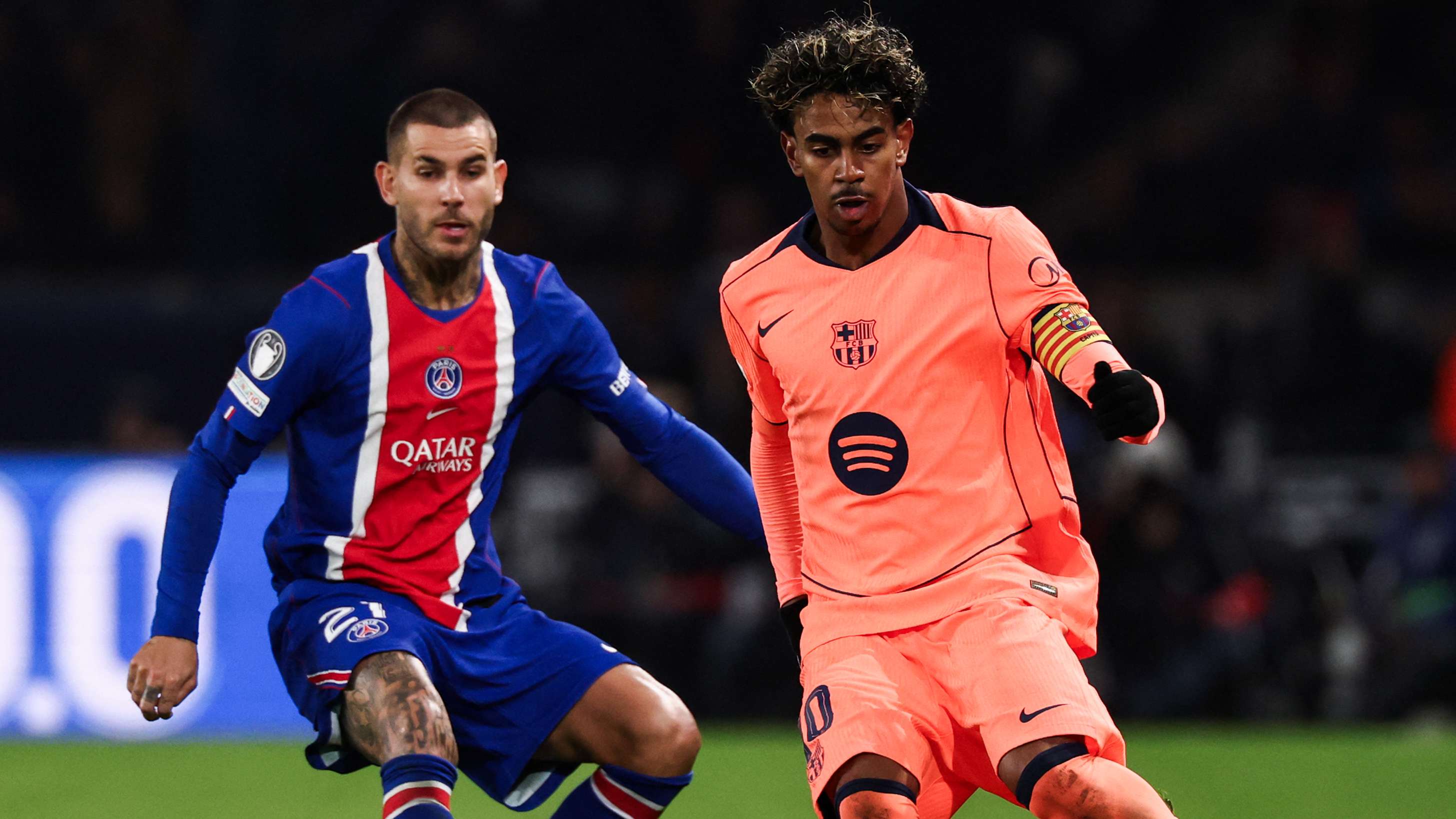
Barcelona left the Parc des Princes with plenty of evidence that their attacking football can trouble Europe’s strongest sides—but no points to show for it. Hansi Flick’s team controlled the ball for long stretches and twice found a way back into the contest, only to concede twice in the closing stages as Paris Saint-Germain secured a 4-2 victory.
Xavi Espart and Lamine Yamal scored for the visitors, whose performance was more competitive than the final score might suggest. Barcelona enjoyed 53% possession and showed composure in building attacks, but PSG’s pace and precision on the counter exposed the risks in the Catalans’ high defensive line. The result offered a clear lesson: control of the ball is valuable, but it must be matched by defensive balance when possession is lost.
Barcelona Control the Ball but PSG Strike First
Flick set Barcelona up in a fluid 4-2-3-1, encouraging his side to circulate possession and push forward through the middle and wide channels. The approach helped the visitors establish periods of control, yet it also left space behind their advanced defenders—an area PSG were ready to target.
Barcelona’s patient build-up did not translate into a decisive early advantage. PSG, by contrast, looked dangerous when they could move quickly from defence to attack. Désiré Doué broke the deadlock, giving the home side a lead that reflected the contrast between Barcelona’s possession-based rhythm and PSG’s direct threat.
The opening goal forced Barcelona to chase the match, but the visitors did not abandon their principles. They continued to seek openings through combinations and movement, while PSG remained alert to opportunities to exploit turnovers. That tension shaped the contest: Barcelona had more of the ball, but the hosts often appeared more threatening when the game became stretched.
Fermín López Helps Spark Barcelona’s Response
Barcelona’s second-half revival gained momentum after Fermín López entered the contest. His influence was immediate, and he supplied the assist for Espart, who equalised ten minutes after the restart. The goal rewarded Barcelona’s persistence and gave Flick’s side renewed belief that they could turn possession into a result.
The equaliser also changed the pace of the match. Both teams began to commit more players forward, creating an open, end-to-end contest in which transitions became increasingly important. Barcelona’s technical quality allowed them to build promising attacks, while PSG sought to use speed and vertical passing to bypass the midfield.
For a spell, the visitors appeared to have taken control of the result as well as the ball. Yamal’s 79th-minute strike put Barcelona in front and seemed to cap a spirited comeback. The young forward’s goal offered a reminder of the individual talent Flick can call upon, particularly when a tightly contested match needs a moment of invention.
Late PSG Goals Punish Barcelona’s High Line
Barcelona’s lead lasted only briefly. As the match entered its final ten minutes, the high defensive line that had supported their attacking pressure became a vulnerability. PSG found space to attack quickly, and Barcelona’s defenders were unable to prevent the hosts from turning those openings into goals.
Vitinha levelled in the 81st minute, capitalising on defensive disorganisation as the home side pressed forward. Five minutes later, Fabián Ruiz completed the turnaround, taking advantage of tired legs and gaps in Barcelona’s shape. The late strikes transformed a potential away draw—or even a celebrated comeback win—into a 4-2 defeat.
The sequence underlined the fine margins in high-level football. Barcelona had shown enough quality to score twice away from home, but their structure became less secure as the game grew more chaotic. When a team commits numbers forward, the protection behind the attack is crucial. Without it, a misplaced pass or an unsuccessful press can quickly become a dangerous counter.
What the Result Means for Flick’s Barcelona
There are encouraging signs for Barcelona despite the loss. Their 53% share of possession demonstrated that Flick’s side could impose its preferred style against a formidable opponent, while the goals from Espart and Yamal highlighted the team’s capacity to respond under pressure. The contribution from Fermín also showed how a substitution can alter a match’s rhythm and create a new attacking route.
However, the defeat raises questions about how Barcelona manage transitions late in games. A high line can compress the pitch, support pressing and help sustain attacks, but it demands coordinated movement from the entire defence. If the first pressure is beaten, defenders need sufficient cover and midfielders must react quickly to protect the space in front of goal.
Fitness and game management may also have played a part. Barcelona’s late defensive errors came after an intense, open second half, when the demands of pressing and covering large areas can become harder to sustain. Against opponents with PSG’s pace, maintaining compact distances between the lines is essential—especially when protecting a lead.
Barcelona vs PSG: Match Prediction and Key Takeaways
Any prediction for a future meeting between these sides would need to account for the qualities on display here. Barcelona can expect to create chances if they retain their confidence in possession and continue using Yamal’s creativity, but PSG have shown that they can punish even brief lapses with rapid attacks. The decisive factor may be less about who controls the ball and more about which team handles the moments immediately after losing it.
For Barcelona, the challenge is to preserve the attacking ambition that produced their comeback while adding greater security behind the ball. That could mean adjusting the height of the defensive line in certain phases, improving the counter-press or ensuring a holding midfielder remains positioned to disrupt PSG-style breaks. These changes would not require Flick to abandon his footballing identity; they would make it more resilient.
Ultimately, the 4-2 scoreline tells only part of the story. Barcelona were competitive, creative and capable of turning the match around, but they could not sustain their defensive organisation when the contest reached its most demanding stage. PSG’s clinical finishing proved decisive, while Barcelona were left to reflect on a performance that offered promise—and a pointed warning about the cost of leaving space behind.