
P.V. Sindhu Exits Arctic Open After Three-Game Quarterfinal Battle
India’s P.V. Sindhu was knocked out of the Arctic Open badminton tournament in Vantaa, Finland, after a closely contested quarterfinal against Thailand’s Ratchanok Intanon. The Indian star fought back to take the second game but could not complete the turnaround, falling 11-21, 21-19, 18-21 in a match that lasted three games.
The result sends Intanon into the semifinals and ends India’s challenge in the women’s singles draw. Sindhu’s defeat followed the earlier exit of Tanvi Sharma, who also lost to the Thai shuttler in the previous round. While the women’s singles campaign is over, Indian interest remains alive in Vantaa through the men’s doubles event.
Intanon Makes Her Experience Count
The quarterfinal brought together two of the most recognisable names in women’s badminton. Intanon, a former world champion and one of Thailand’s leading players, began with authority, controlling the rallies and keeping Sindhu under pressure. She took the opening game 21-11, building an early advantage with sharp placement and well-timed changes of pace.
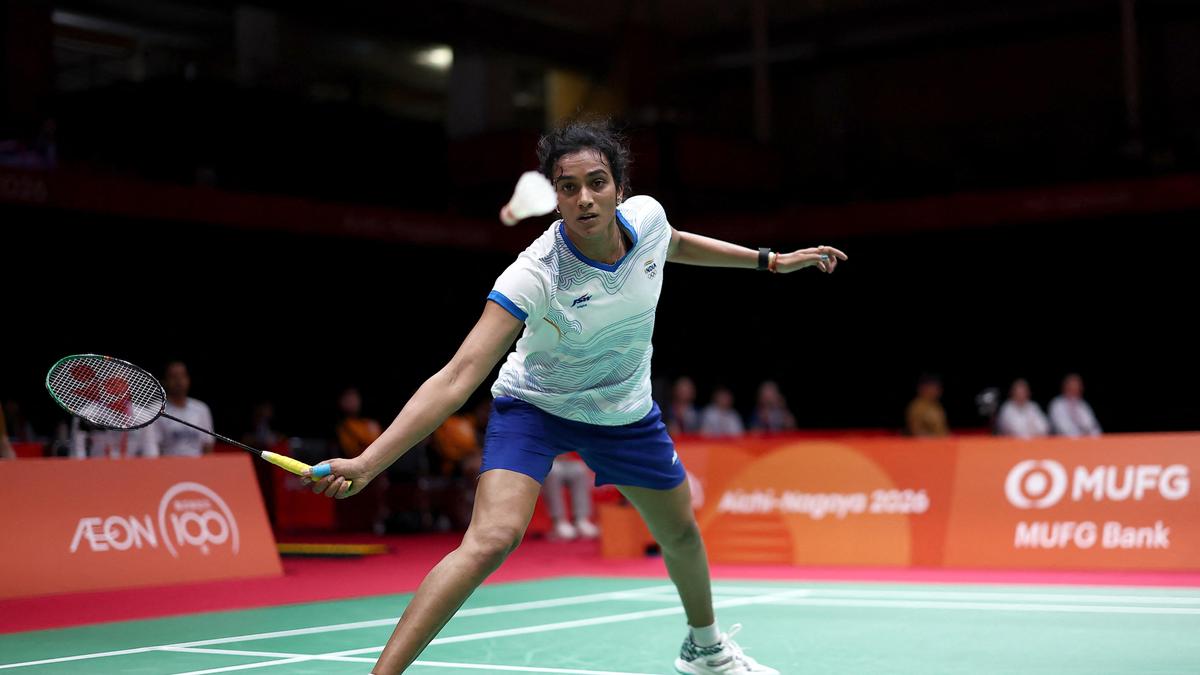
Sindhu responded strongly in the second game. She improved her length, found more opportunities to attack and stayed composed as the score tightened. The Indian saved the match from ending in straight games by edging the contest 21-19, setting up a decisive third game and raising hopes of a comeback.
The final game was closely fought, with neither player able to establish a comfortable lead for long. Sindhu remained within reach, but Intanon held her nerve at the key moments to close out the match 21-18. The narrow margin underlined how competitive the contest became after the Thai player’s dominant start.
Head-to-Head Record Favours the Thai Shuttler
The latest win extends Intanon’s advantage in her head-to-head record against Sindhu to 11-4. Their previous meeting came at the Indonesia Masters in 2022, where Intanon won 21-12, 21-10. The Arctic Open encounter was a more demanding test for the Thai player, particularly after Sindhu’s second-game recovery, but Intanon again finished on top.
Head-to-head statistics offer useful context, but they do not tell the whole story of a match. The three-game result showed Sindhu’s ability to adjust after a difficult opening and make the contest more physical and competitive. For Intanon, the win demonstrated the value of maintaining control when an opponent finds momentum.
Sindhu’s Recent Results Provide a Mixed Picture
Sindhu arrived in Finland after a season of contrasting outcomes. She won the Japan Open in July, a valuable title that highlighted her ability to compete with the world’s leading players and deliver under pressure. Her Arctic Open run, however, ended before the semifinals, adding another demanding match to a schedule in which recovery and consistency remain important factors.
At the Asian Games, Sindhu exited in the quarterfinals after what was described as less-than-ideal recovery time. That result raised familiar questions about the physical demands placed on elite badminton players, especially when major tournaments are scheduled close together. Travel, training, match intensity and rest all influence performance, and even experienced athletes can find it difficult to maintain their sharpest level without sufficient recovery.
The Arctic Open loss should therefore be viewed in the context of a longer season rather than as a verdict on Sindhu’s form. Her response in the second game showed that she could adapt during the match, while the deciding game remained close. Those details may offer useful takeaways as she prepares for upcoming events on the international badminton calendar.
India’s Women’s Singles Campaign Ends in Vantaa
With Sindhu and Tanvi Sharma both eliminated by Intanon, India’s women’s singles campaign at the Arctic Open is over. Sharma’s earlier defeat meant Intanon had already faced one Indian opponent before meeting Sindhu in the quarterfinal. The Thai player’s progress through both rounds highlights her effectiveness against India’s singles representatives in Vantaa.
For Indian fans, the women’s draw produced disappointment, but the tournament continues to offer another opportunity for the country’s players to make an impact. Krishna Prasad Garaga and Pruthvi Krishnamurthy Roy are set to compete in men’s doubles against Denmark’s Christian Faust Kjaer and Rasmus Kjær. Their match will keep India represented as the Arctic Open moves into its later stages.
What the Match Means for the Arctic Open
Intanon’s victory adds a compelling storyline to the women’s singles competition, where her experience and ability to manage pressure could prove significant in the semifinals. The match also served as a reminder of how quickly momentum can shift in badminton: an 11-21 opening game was followed by a narrow second-game loss for Intanon, before she recovered to win the decider.
For Sindhu, the immediate focus will be on recovery and preparation for her next tournament. The former world champion remains one of India’s most prominent badminton players, and her recent Japan Open title shows she continues to have the ability to challenge for honours. In Finland, she was unable to get past a familiar and formidable opponent, but her second-game response ensured the quarterfinal was a genuine contest to the finish.