
Arteta Defends the Premier League’s Status Amid Manchester City Case
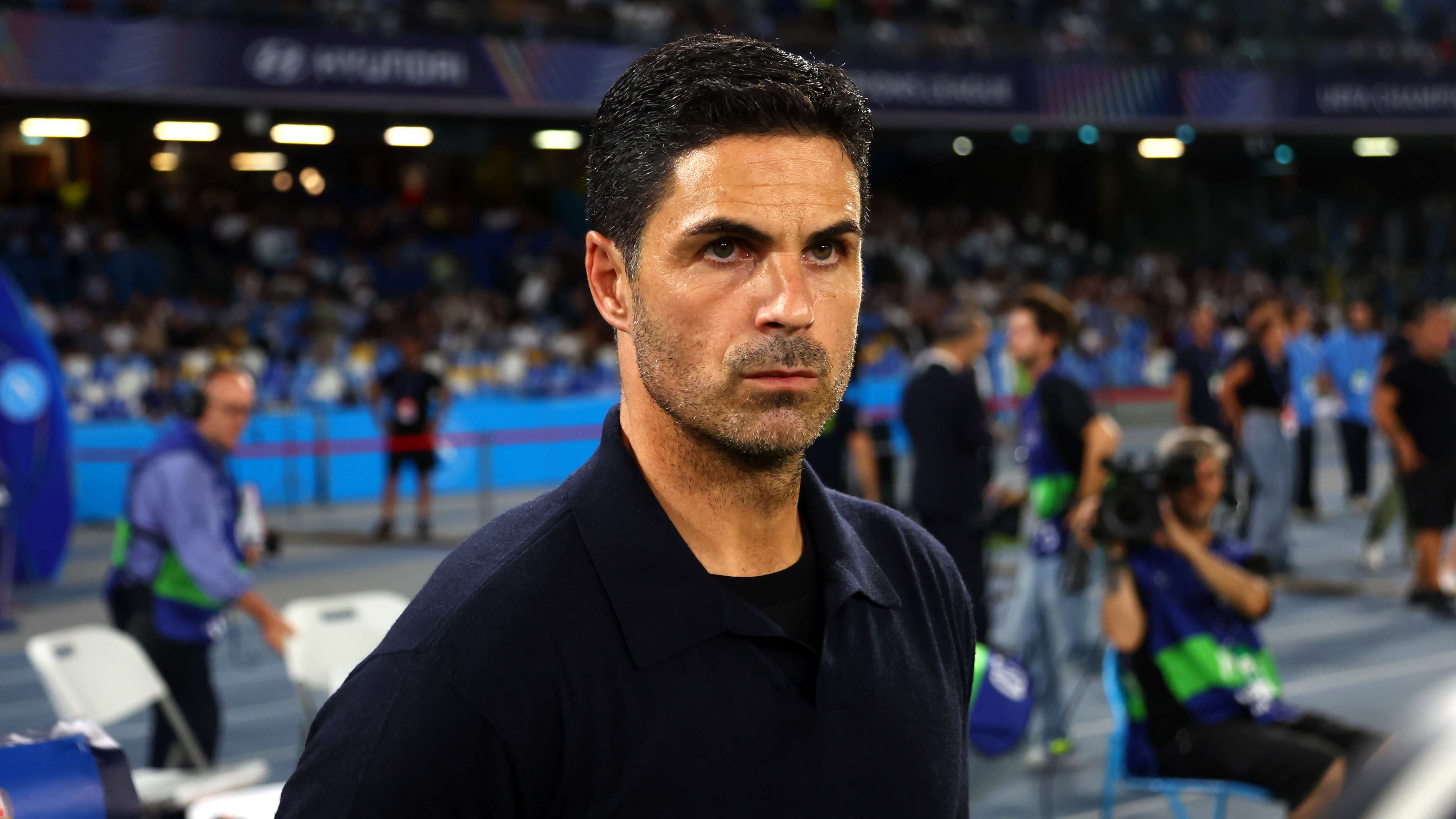
Arsenal manager Mikel Arteta has reaffirmed his belief that the Premier League is the strongest football competition in the world, even as Manchester City faces scrutiny over alleged financial-rule breaches. While the case has raised questions about the league’s governance and the possibility of sanctions, Arteta chose not to speculate about its outcome. Instead, he pointed to the quality, ambition and growing competitiveness of clubs across the division as reasons the Premier League continues to stand apart.
The debate comes at a time when the English top flight attracts global attention not only for its star players and high-profile managers, but also for the intensity of its title race and the depth of its teams. Arteta’s comments reflect a distinction often made by people within the game: controversy surrounding an individual club is serious, but it does not necessarily diminish the quality of the competition as a whole.
Arteta Avoids Predicting the Outcome of City’s Case
Manchester City has been found guilty of breaking financial rules, with the matter prompting widespread discussion about what consequences may follow. The process has drawn interest from supporters, rival clubs and football analysts, particularly because any decision could have significant implications for the Premier League’s competitive landscape.
Arteta, however, was careful not to offer a prediction about possible punishments. Disciplinary cases of this scale involve detailed evidence and formal procedures, making it difficult for outsiders to know what the final outcome should be. As Arsenal’s manager, he also has little reason to influence public expectations before the relevant authorities have completed their work.
That restraint is important in a debate where speculation can quickly be mistaken for fact. Until a final decision is announced, the precise nature and timing of any sanctions remain questions for the appropriate football authorities. Arteta’s position was therefore measured: he acknowledged the wider conversation without attempting to determine how the case should conclude.
Why the case matters to the wider league
Financial regulations are intended to support a more sustainable and credible football environment. They can shape how clubs invest in players, manage operating costs and compete over time. When a major club faces allegations of breaching such rules, the case naturally prompts questions about whether regulations are applied consistently and whether the league has effective systems for enforcing them.
Those questions matter beyond the clubs directly involved. Supporters want to know that the competition is fair, while clubs need clarity about the standards they are expected to meet. A transparent process can help maintain confidence in the Premier League, regardless of the eventual outcome. At the same time, it is important to distinguish between established findings, ongoing proceedings and predictions about what may happen next.
Rising Competition Is Central to Arteta’s Praise
Rather than focusing on the potential consequences for City, Arteta highlighted the efforts of other clubs to improve and challenge the established order. That wider progress, he suggested, is a major reason the Premier League remains so compelling. Teams throughout the division are investing in recruitment, coaching and performance analysis, while managers are finding new ways to compete against opponents with greater resources or longer-established success.
The result is a league in which even matches between clubs outside the title race can be difficult to forecast. Teams near the bottom can take points from contenders, while clubs pushing for European qualification must cope with a demanding schedule and a high standard of opposition. This depth gives the Premier League a different character from competitions where a small number of teams dominate week after week.
For supporters, that uncertainty is part of the appeal. A title prediction may change after one surprising result, and the battle for European places or survival can remain open deep into the season. The strength of the league is not measured only by the champions or the biggest names; it is also shaped by the number of sides capable of producing a strong performance on any given weekend.
Arsenal’s Perspective on a Demanding Football Landscape
Arteta’s comments carry added interest because Arsenal are competing in the same environment as City and other ambitious clubs. The Gunners have been working to build a team capable of challenging consistently, and their progress has brought renewed attention to the Premier League title race. Yet competing at the top requires more than assembling talented players. It demands consistency, squad depth, tactical flexibility and the ability to recover quickly from setbacks.
That challenge is one reason the league is so difficult to predict. A club may look dominant for several weeks, only to encounter injuries, fatigue or a difficult run of fixtures. Meanwhile, a rival can gain momentum through improved form or a well-timed transfer. These shifting factors make football prediction an uncertain exercise, even for experienced analysts, and help explain why the Premier League regularly produces dramatic swings in the standings.
Arteta’s emphasis on stronger competition also reflects how the division has evolved. Managers face opponents who are increasingly organised and tactically prepared, while clubs across the table are more capable of recruiting players suited to specific systems. The gap between teams may still be substantial in financial terms, but it does not always translate neatly into results on the pitch.
Governance and Competition Can Be Discussed Together
Recognising the Premier League’s sporting quality does not mean ignoring questions about regulation. The league’s reputation depends on both the football itself and the credibility of the framework in which clubs compete. A thrilling title race can attract viewers, but trust also relies on clear rules, consistent enforcement and decisions that are explained to the public.
That balance is central to the conversation surrounding City. The case has become a major talking point because it connects the league’s commercial power with the responsibilities that come with operating at the highest level. The eventual outcome could influence how clubs and fans view financial oversight, though its broader impact will depend on the reasoning, transparency and consistency behind any decision.
For now, Arteta’s message remains focused on the quality of the competition rather than the legal details. He believes the Premier League’s appeal comes from the ambition of its clubs and the difficulty of winning across a long season. His refusal to offer a prediction on sanctions also leaves the formal process where it belongs: with the authorities responsible for assessing the case.
A Premier League Defined by Quality and Uncertainty
The Manchester City case has placed financial governance under the spotlight, but it has not erased the Premier League’s standing as one of football’s most watched and fiercely contested competitions. Arteta’s comments underline that distinction. He recognises the seriousness of the issue while maintaining that the league’s competitive depth remains a defining strength.
As the case develops, supporters will continue to follow both the legal questions and the action on the pitch. The eventual decision may have consequences for clubs and the wider competition, but the league’s weekly drama will still be shaped by performances, tactics, injuries and results. That combination of uncertainty and elite football is precisely what keeps the Premier League at the centre of global conversation—and why every prediction remains open to challenge.