
Asian Games Badminton: India’s Campaign Delivers Medals, Near Misses and Tough Lessons
India’s badminton team arrived at the Aichi-Nagoya Asian Games with high expectations, but the competition proved to be a demanding test of skill, stamina and squad depth. With team and individual events compressed into just 10 days at the Ichinomiya City Municipal Gymnasium, players faced a relentless schedule and limited opportunities to recover between matches.
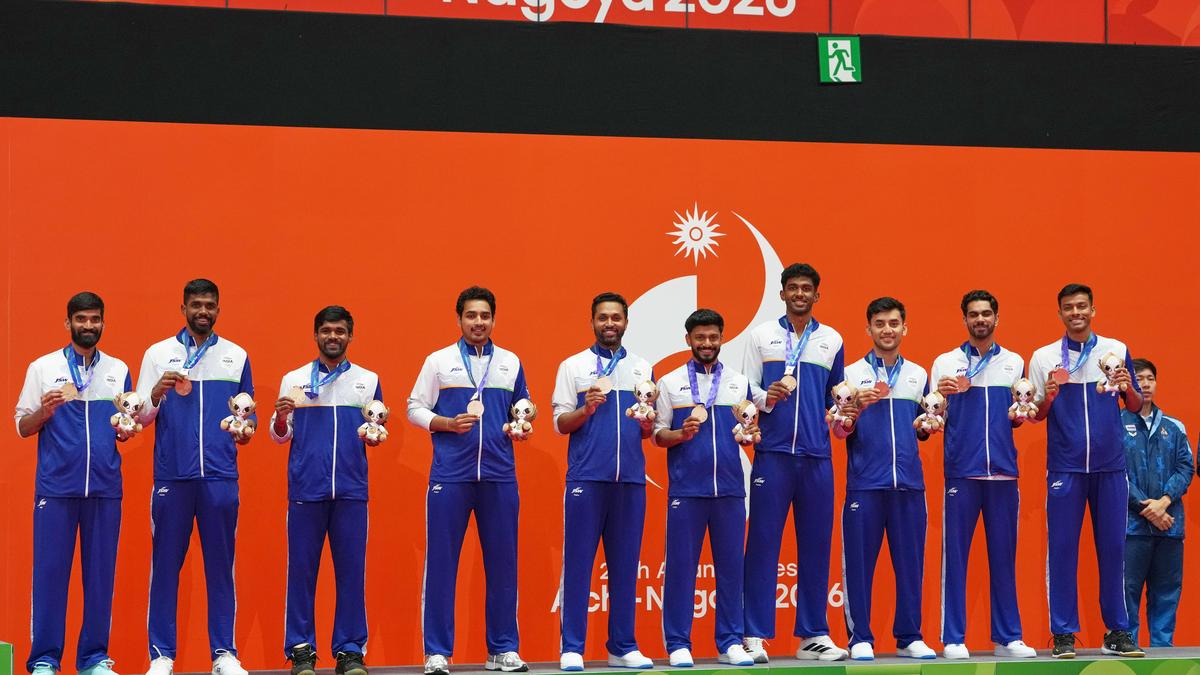
The results were mixed. India’s men secured a team bronze after a dramatic victory over Japan, while the women’s team showed flashes of promise against a formidable host nation. In the individual events, however, several early exits and narrow quarterfinal defeats left the squad with plenty to reflect on. The tournament offered valuable signs of progress, but also highlighted how quickly momentum can shift at the highest level of badminton.
India’s Men Claim a Team Medal After Beating Japan
India’s men and women began their team campaigns with convincing 3-0 wins in the round of 16, defeating Bangladesh and Kazakhstan respectively. The next round brought a far sterner challenge: host nation Japan, whose players were backed by a home crowd and deep experience across the lineup.
The Indian men, runners-up at the Hangzhou 2022 Asian Games, faced the possibility of falling behind in the tie when Lakshya Sen took on Kodai Naraoka in the opening singles match. Sen responded under pressure, overturning the contest with a determined comeback that gave India an important early advantage. His win changed the tone of the tie and put the team within reach of a place on the podium.
Satwiksairaj Rankireddy and Chirag Shetty then delivered a straight-games victory in men’s doubles. Ayush Shetty followed with another straight-games win, sealing a 3-0 result over Japan and confirming India’s team medal. The performance underlined the value of a strong doubles pairing and the contribution of the younger players supporting the team’s leading names.
India’s bid to reach the final ended against reigning champions China. The Chinese team won the semifinal 3-1, with Satwik and Chirag providing India’s only point. It was the second consecutive Asian Games edition in which China stopped India’s men from advancing to the gold-medal match. Even so, the bronze medal represented a significant achievement in a competition where every tie demands depth across singles and doubles.
Women’s Team Finds a Bright Spot Against Japan
The Indian women faced an exceptionally strong Japanese lineup in their team event. Japan’s squad featured established stars Akane Yamaguchi and Nozomi Okuhara, alongside rising talent Tomoka Miyazaki. India lost the tie 1-3, but the scoreline did not tell the whole story.
Treesa Jolly and Gayatri Gopichand produced one of the team’s most encouraging performances, defeating Yuki Fukushima and Maya Matsumoto, a highly rated Japanese doubles pair. The win demonstrated that the Indian duo could compete with top-ranked opponents and provided a confidence boost after their recent success on the international stage. For India, the result was a reminder that strong doubles performances can create opportunities even against teams with greater overall depth.
Shock Exit for Satwik-Chirag in the Individual Event
India’s individual campaign began with a major upset. Satwiksairaj Rankireddy and Chirag Shetty, the reigning Asian Games men’s doubles champions and fresh from winning the China Masters, were eliminated in the first round. They lost 21-12, 19-21, 14-21 to Thailand’s Pakkapon Teeraratsakul and Peeratchai Sukphun, who were ranked 36th in the world.
The defeat was a sharp reminder of the unpredictability of tournament badminton. A strong ranking, recent title and previous Games success can build expectations, but they do not guarantee an easy passage through a demanding draw. After taking the opening game, the Indian pair were unable to maintain their advantage as the Thai duo raised their level and took control of the deciding game.
Lakshya Sen also exited earlier than hoped, losing in the second round to Singapore’s Loh Kean Yew, who went on to claim the silver medal. The result again drew attention to the challenge of maintaining consistency through a tournament. Ayush Shetty’s run ended in the round of 16 against 36-year-old Chinese Taipei veteran Chou Tien-chen, whose experience helped him manage the contest.
Heavy Schedule Raises Questions About Recovery
The compressed individual schedule became a major talking point. Players were sometimes required to compete more than once in a day, leaving little time for physical recovery, treatment or detailed preparation for the next opponent. At a multi-event competition such as the Asian Games, where players may represent their country in both team and individual events, scheduling can have a direct effect on performance.
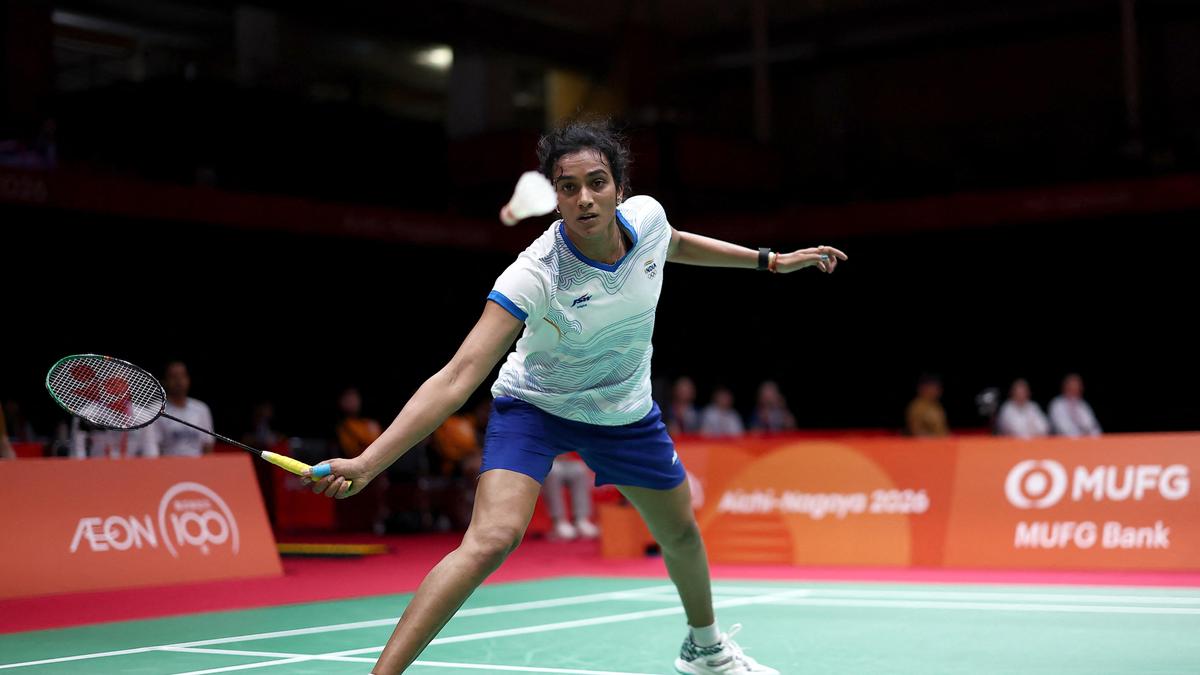
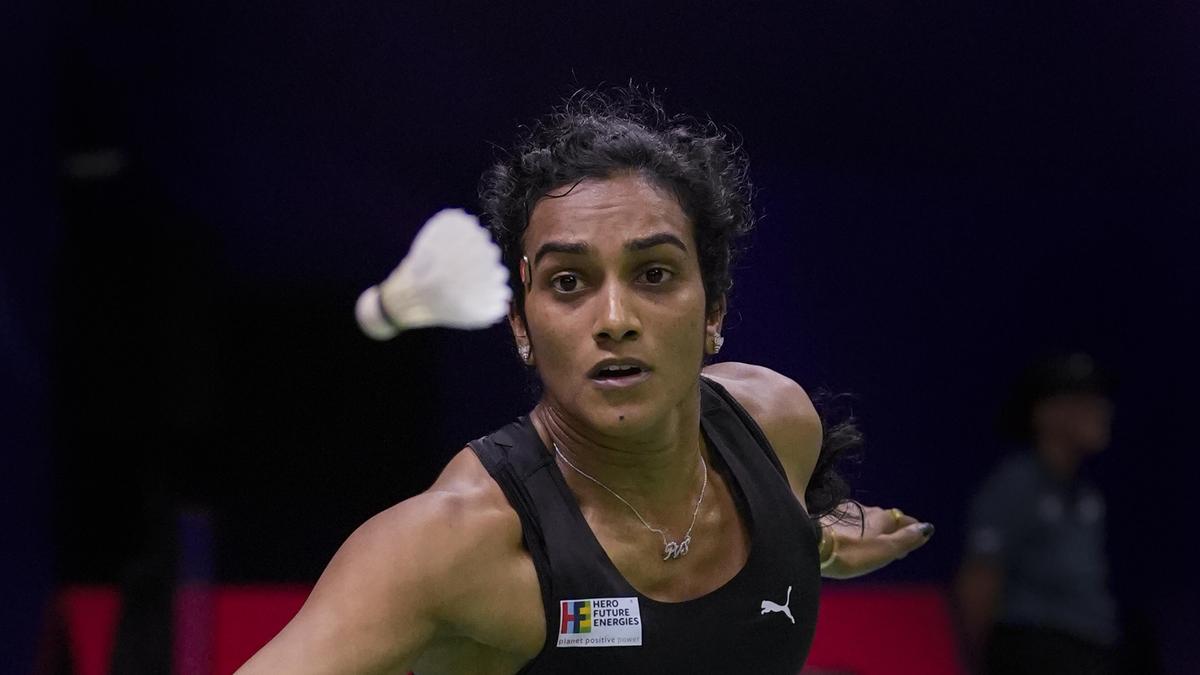
P. V. Sindhu and Unnati Hooda both reached the women’s singles quarterfinals, but neither was able to progress further. Sindhu lost 21-11, 18-21, 10-21 to China’s Chen Yu Fei after winning the first game. The match showed Sindhu’s ability to compete with one of the world’s leading players, but the shift in momentum and the physical demands of the contest proved decisive.
Sindhu also raised concerns about the conditions for her quarterfinal, which was played on Court 4. The court did not have Hawk-Eye technology, meaning players could not request a review of close line calls. In a sport where a shuttle landing near the boundary can decide a rally, access to consistent review systems is an important part of ensuring fairness. Sindhu and Hooda both said the schedule could have been managed better, adding to wider discussion about athlete welfare and tournament planning.
Treesa-Gayatri and Mixed Doubles Pair Push Top Opponents
Treesa Jolly and Gayatri Gopichand entered the women’s doubles draw with growing credibility after winning a bronze medal at the World Championships. They survived a three-game opening-round match and then beat Fukushima and Matsumoto for a second time, reinforcing the promise they had shown in the team event.
Their quarterfinal opponents, Malaysia’s Pearly Tan and Thinaah Muralitharan, proved a difficult barrier. The Malaysian pair, ranked among the world’s best, prevented the Indians from settling into their preferred rhythm and won the match, extending their head-to-head lead to 7-2. Despite the loss, the Indian duo’s victories over a leading Japanese pair offered a strong foundation for future international tournaments.
India also came close to a major mixed doubles upset. Dhruv Kapila and Tanisha Crasto pushed world No. 1 pair Feng Yan Zhe and Huang Dong Ping in a tense quarterfinal. The Indians took the second game and stayed within reach in the decider before losing 14-21, 21-18, 18-21. Their performance showed that India can challenge elite mixed doubles teams, even when the final result falls just short.
What India Can Take Forward
India’s Asian Games badminton campaign was defined by contrasts: a men’s team medal alongside individual disappointments, emerging doubles strength alongside questions about consistency, and impressive performances alongside concerns over scheduling and court technology. The results were not the sweep many supporters may have hoped for, but they offered useful evidence about where the team stands against Asia’s strongest badminton nations.
The men’s bronze, Treesa and Gayatri’s wins over top Japanese opposition, and Kapila and Crasto’s close contest against the world’s leading mixed doubles pair are all encouraging signs. At the same time, the early exit of Satwik and Chirag and the quarterfinal losses underline the fine margins that separate a medal run from an early departure. For India, the next step will be turning these lessons into greater consistency, deeper recovery planning and stronger performances when the pressure is highest.