
India’s Badge of Honor at the Arctic Open Super 500: Badminton Stars Shine Bright
The Arctic Open Super 500 tournament has once again demonstrated the growing prowess and competitive spirit of Indian badminton players. Held in a vibrant atmosphere that attracts top talents from around the world, this event has become a crucial platform for emerging and established players to showcase their skills. On Tuesday, Indian athletes displayed a blend of resilience, skill, and determination across various categories, with some progressing to the next stages while others faced tough exits. The results underline India’s rising prominence in the global badminton arena, especially in women’s and men’s singles events.
P.V. Sindhu: A Stellar Performance in Women’s Singles
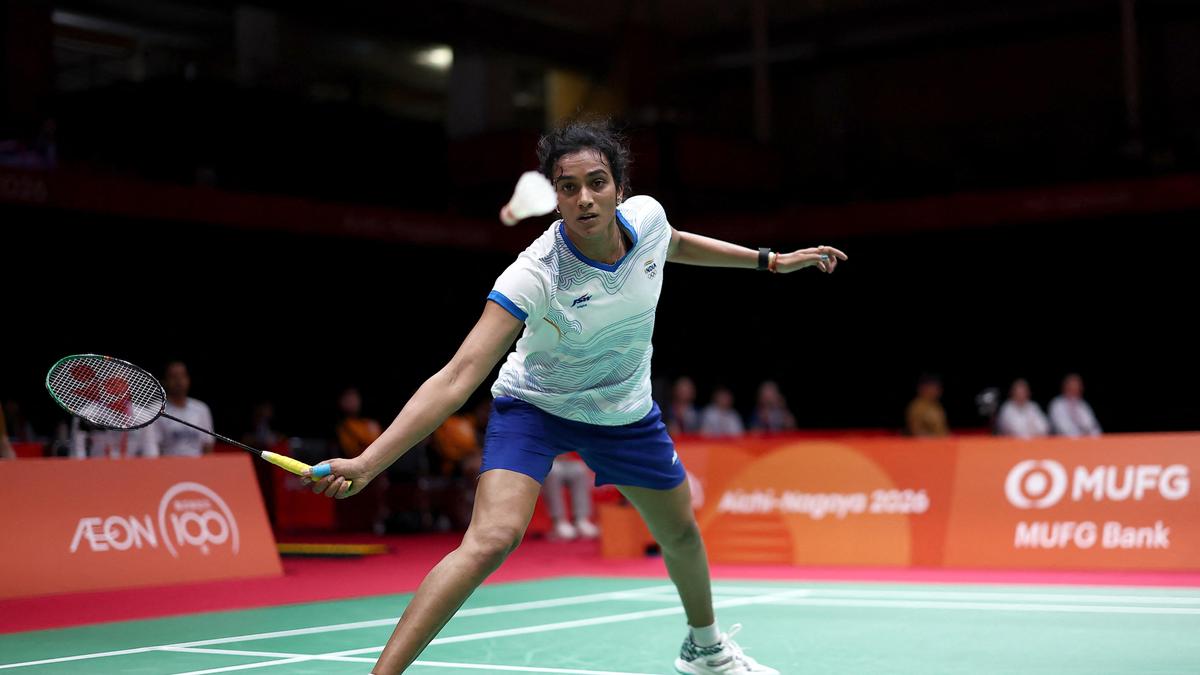
Arguably the most anticipated match of the day featured P.V. Sindhu, the two-time Olympic medalist and former World Champion, who continues to be a formidable force in women’s badminton. Renowned for her agility, power, and tactical intelligence, Sindhu wasted no time asserting her dominance against Canada’s Wen Yu Zhang. Demonstrating her class and composure, she secured a commanding victory with straight sets—21-8, 21-11—in just 28 minutes. This victory not only boosts her confidence but also reaffirms her status as a top contender in international badminton.
Looking ahead, Sindhu’s next opponent will either be Taiwan’s Lin Hsiang Ti or Japan’s Riko Gunji—both of whom are talented players capable of posing a challenge. Sindhu’s disciplined approach and experience are expected to be key factors as she aims to advance further in the tournament. Her journey in the Arctic Open is seen as an important step in her quest for continued success and possibly a return to the podium at major events like the World Championships or the Olympics.
Mixed Fortunes for Indian Women’s Badminton Players
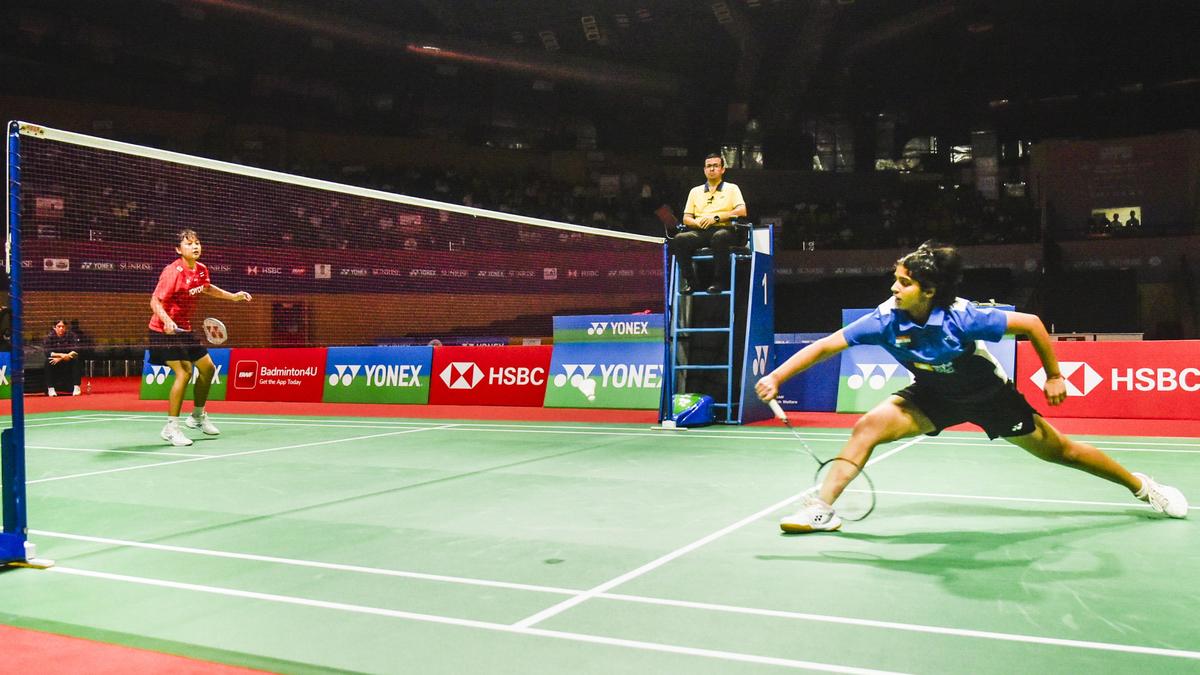
While Sindhu’s progress was a highlight, the day also saw some heartbreak for other Indian women’s singles contenders. Unnati Hooda and Ashmita Chaliha, both promising young talents, fought hard but ultimately fell short after grueling three-game battles. Hooda, who lost 16-21, 21-15, 22-24 to China’s Han Qian Xi, displayed remarkable resilience but couldn’t close out the decisive moments. Similarly, Ashmita Chaliha’s marathon match against Denmark’s seventh seed Line Christophersen ended 7-21, 21-14, 24-26, in a match that kept spectators on the edge of their seats.
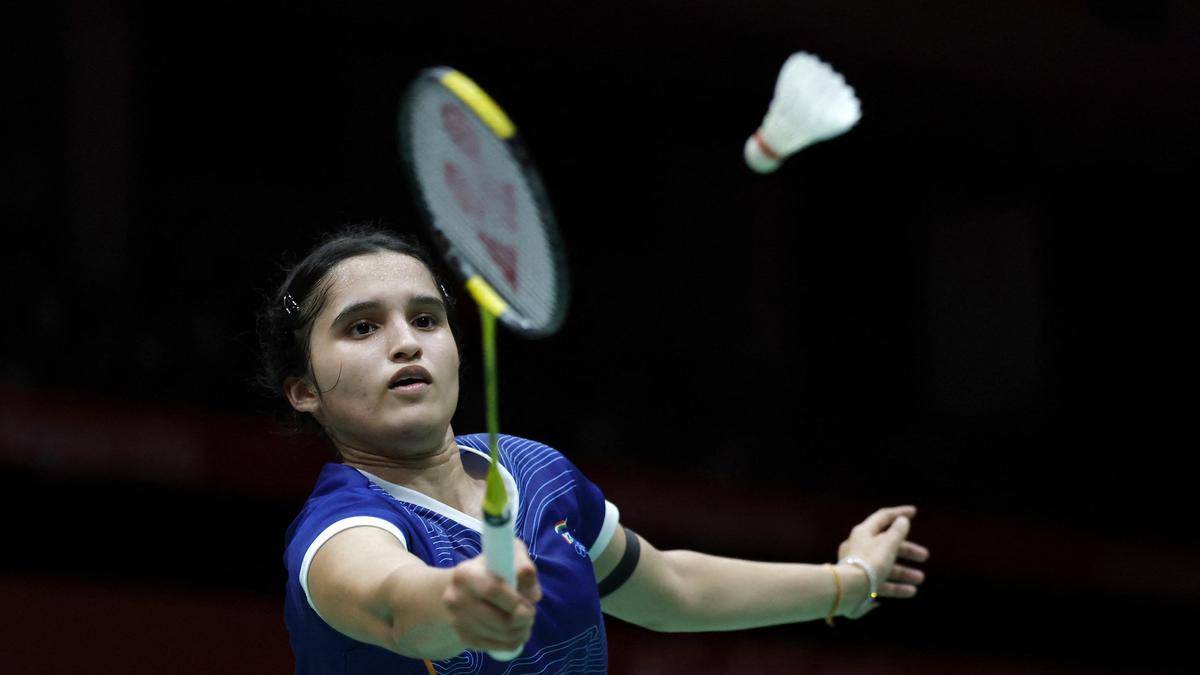
Despite these setbacks, Malvika Bansod’s journey in the Arctic Open showcased her perseverance. After successfully navigating the qualifying rounds with a hard-fought 21-15, 14-21, 21-14 victory over Chinese Taipei’s Sung Shuo Yun, she faced a tough challenge in the main draw. Unfortunately, her campaign ended in the first round, where Scotland’s Kirsty Gilmour triumphed 21-18, 21-13. These matches highlight the fierce competition in women’s badminton and the importance of continuous development and mental toughness at this level.
Indian Men’s Singles: A Promising Outlook
The Indian men’s badminton contingent also made significant strides at the Arctic Open. Unnati Hooda’s compatriot, Tharun Mannepalli, secured his spot in the main draw after a thrilling victory over Belgium’s second seed Julien Carraggi. The match was a rollercoaster of momentum swings, with Mannepalli winning 21-12, losing 19-21, but ultimately prevailing 21-13 in the decider. His victory sets up an exciting clash against Denmark’s Magnus Johannesen, where he will look to make further inroads in the tournament.
Similarly, Rounak Chouhan demonstrated his resilience by overcoming Israel’s Daniil Dubovenko in a tightly contested three-setter—18-21, 21-17, 21-19. His upcoming match against China’s Weng Hong Yang promises to be another challenging encounter, where tactical execution and mental toughness will be crucial.
However, not all Indian players found success. Rakshitha Sree Santhosh Ramraj exited the qualifying rounds, and in men’s doubles, Achutaditya Rao Doddavarapu and Pochana Arjun Reddy faced tough defeats. These results serve as a reminder of the depth and competitiveness in global badminton, emphasizing the need for players to continually refine their skills and strategies.
Mixed Doubles and Other Categories: Challenges and Opportunities
The Arctic Open has also been a testing ground for India’s mixed doubles pairs and upcoming talents. Unfortunately, Ishaan Bhatnagar and Shruti Mishra faced an early exit after their first-round defeat, underscoring the unpredictability of doubles events in international badminton. Such experiences are invaluable for players, offering lessons and motivation to improve in future tournaments.
Context and Significance of the Arctic Open for Indian Badminton
The Arctic Open Super 500 is part of the BWF World Tour, attracting some of the best badminton players globally. For Indian athletes, performing well in such prestigious tournaments is crucial for gaining ranking points, experience, and international exposure. The tournament’s strategic importance lies in providing young talents with a platform to challenge seasoned competitors and earn their place on the world stage.
India’s badminton scene has witnessed remarkable growth over the past decade, fueled by investments in infrastructure, coaching, and talent development programs. Players like P.V. Sindhu, Kidambi Srikanth, and Saina Nehwal have inspired a new generation of athletes eager to make their mark internationally.
Looking Ahead: Future Prospects and Key Challenges
As the Arctic Open progresses, Indian badminton players are optimistic about their prospects. The performances so far have highlighted strengths such as tactical discipline, physical fitness, and mental resilience. However, challenges remain, especially in maintaining consistency across different formats and adapting quickly to varied playing conditions.
The tournament also underscores the importance of holistic training, including injury management, strategic planning, and psychological preparation. With a deeper focus and continued support, Indian badminton can look forward to more podium finishes and increased prominence in upcoming global events.
Conclusion: A Bright Future for Indian Badminton at Global Events
The Arctic Open Super 500 has reaffirmed India’s status as a formidable force in international badminton. From P.V. Sindhu’s commanding victory to the promising performances of emerging players like Tharun Mannepalli and Rounak Chouhan, the tournament has been a microcosm of India’s evolving badminton landscape. As players gain valuable experience and hone their skills, fans and enthusiasts can look forward to a future where Indian badminton continues to shine on the world stage, inspiring countless young athletes to pick up a racket and dream big.