
India’s Rising Stars Make Waves at the Arctic Open Super 500 Badminton Tournament
The Arctic Open Super 500 badminton tournament, one of the premier events on the international circuit, has once again showcased the growing prowess of Indian badminton players. Held in a vibrant atmosphere filled with anticipation and fierce competition, the event saw a mix of inspiring victories, heartbreaking exits, and promising debuts for Indian athletes. As the sport continues to grow in popularity, particularly in India, this tournament provided a platform for emerging talent and seasoned veterans to demonstrate their skills on the global stage.
PV Sindhu Continues Her Stellar Form, Advances to the Second Round
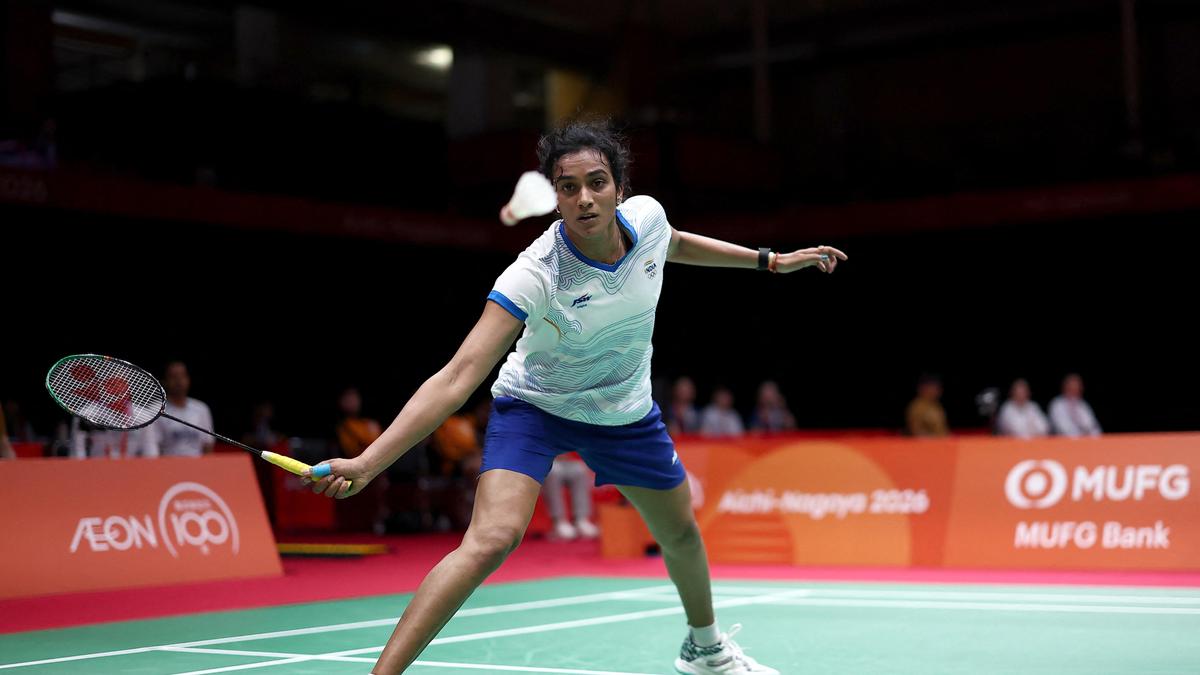
Among the standout performers was PV Sindhu, the celebrated Indian badminton superstar and two-time Olympic medallist. Sindhu’s experience and tactical brilliance came to the fore as she cruised past Canada’s Wen Yu Zhang with impressive ease. The match, which lasted just 28 minutes, saw Sindhu dominate from start to finish, securing straight sets victory with scores of 21-8, 21-11.
The victory not only underscores Sindhu’s resilience and form following her recent triumph at the Japan Open in July but also highlights her ongoing quest to reclaim the top spot in women’s singles badminton. Her next challenge will be a formidable one—either Lin Hsiang Ti from Chinese Taipei or Japan’s rising star Riko Gunji. Fans and pundits alike are eager to see how Sindhu adapts her game against these talented opponents, with hopes that she can continue her strong run in this prestigious tournament.
Emerging Indian Talents Show Promise, Face Tough Battles
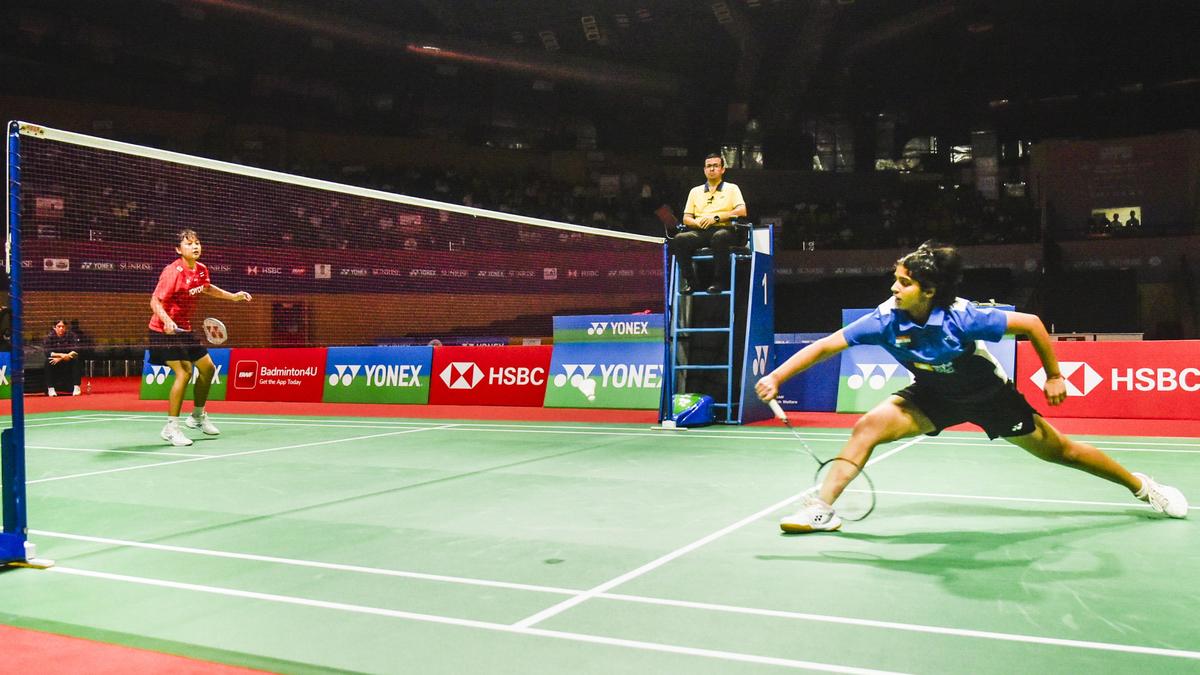
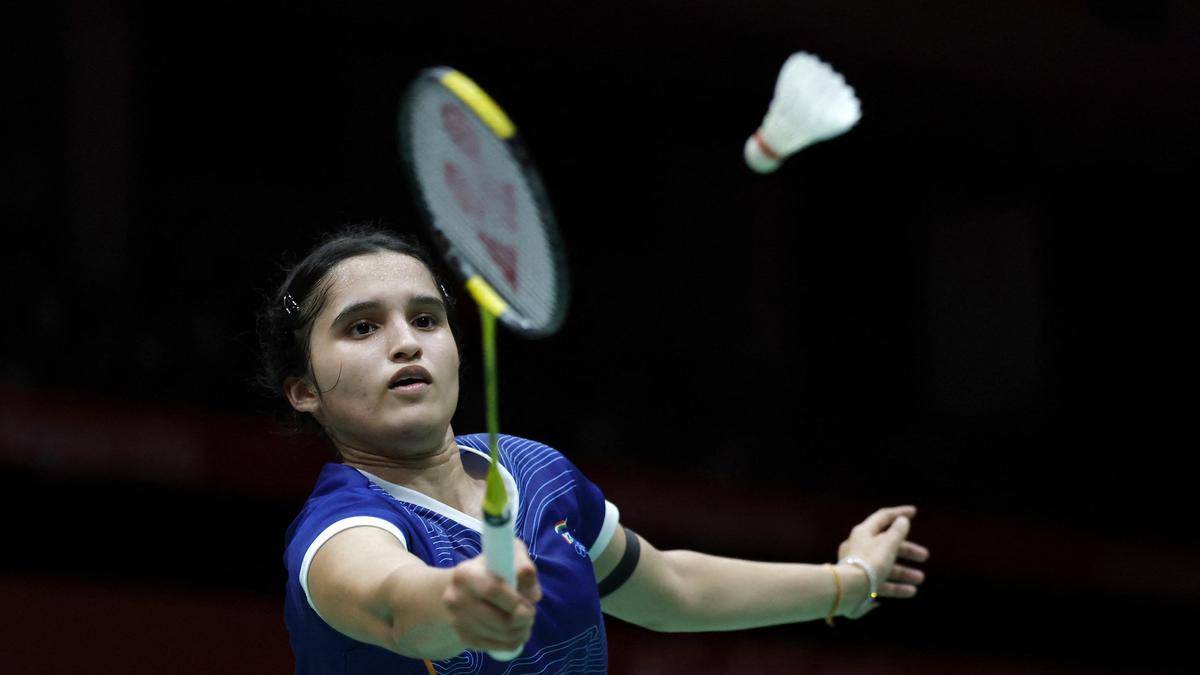
The tournament also saw a mix of promising performances from India’s younger generation of badminton players. Unnati Hooda and Ashmita Chaliha displayed grit and determination but eventually bowed out after intense three-game battles, illustrating the high level of competition at this stage of the tournament.
Unnati Hooda faced a narrow defeat against China’s Han Qian Xi, losing 16-21, 21-15, 22-24 in a match that kept spectators on the edge of their seats. Similarly, Ashmita Chaliha, ranked among India’s promising talents, lost a close contest to Denmark’s seventh seed Line Christophersen, with the scores reading 7-21, 21-14, 24-26. These tough outings, while disappointing, serve as valuable learning experiences for the young athletes as they aim for future breakthroughs in international badminton.
Malvika Bansod’s Brief but Noteworthy Run
Another notable Indian athlete was Malvika Bansod, who successfully navigated the qualifying rounds by defeating Chinese Taipei’s Sung Shuo Yun in a fiercely contested three-set match. Despite her impressive qualification performance, Malvika’s journey in the main draw was cut short when she faced Scotland’s Kirsty Gilmour in the first round. Gilmour’s experience and tactical approach proved too much for Malvika, who lost with scores of 21-18, 21-13.
This performance highlights the depth and competitiveness of Indian women’s badminton, with young players like Malvika gaining vital experience on the international stage, which they can leverage for future tournaments.
Men’s Singles Qualifiers Make Their Mark
Indian men’s singles players also made notable strides in the qualifying rounds. Tharun Mannepalli secured a significant victory over Belgium’s second seed Julien Carraggi, winning 21-12, 19-21, 21-13. His resilience and tactical adaptability will be tested further as he prepares to face Denmark’s Magnus Johannesen in the main draw, a matchup that promises exciting badminton action.
Similarly, Rounak Chouhan advanced after a hard-fought victory against Israel’s Daniil Dubovenko, with scores of 18-21, 21-17, 21-19. Chouhan’s ability to come back from behind demonstrates his mental toughness and potential to make a significant impact in the main draw, where he is scheduled to face China’s Weng Hong Yang.
These performances exemplify the burgeoning talent within Indian badminton, showcasing players who are not just participating but actively challenging their international counterparts, raising the profile of badminton in India.
Challenges and Early Exits in Doubles and Mixed Doubles
While individual performances were promising, Indian representation in doubles and mixed doubles faced setbacks. Rakshitha Sree Santhosh Ramraj exited the qualifying rounds in women’s doubles, and the pairs of Achutaditya Rao Doddavarapu and Pochana Arjun Reddy were eliminated in men’s doubles. Additionally, the mixed doubles team of Ishaan Bhatnagar and Shruti Mishra faced an early exit after a tough first-round match, emphasizing the highly competitive nature of doubles disciplines in international badminton.
The Significance of the Arctic Open for Badminton Development in India
The Arctic Open Super 500 is more than just a tournament; it’s a crucial stepping stone for Indian badminton players aiming to make their mark on the world stage. The performances here reflect the results of years of dedicated training, increased investment in badminton infrastructure, and a growing pipeline of young talent inspired by Indian badminton legends like PV Sindhu, Saina Nehwal, and Kidambi Srikanth.
With India increasingly becoming a powerhouse in the sport, tournaments like the Arctic Open serve as critical platforms for emerging players to gain experience, test their skills against top-tier opponents, and build confidence. The exposure gained from competing against international stars accelerates their development and prepares them for future challenges in major championships such as the World Championships and the Olympics.
The Road Ahead: What Fans Can Expect
As the Arctic Open progresses into the subsequent rounds, fans can look forward to more thrilling badminton action, showcasing the technical finesse, agility, and strategic depth that make badminton a captivating sport. Indian players, buoyed by their performances in this tournament, are expected to bring their best to the court, aiming for deep runs and possibly podium finishes.
Moreover, the tournament highlights the importance of supporting grassroots development and investing in coaching and infrastructure—key factors driving India’s success in badminton today. The performances here reaffirm India’s status as a formidable contender in international badminton, with a bright future on the horizon.
Conclusion: A Bright Future for Indian Badminton
The Arctic Open Super 500 has proved to be a pivotal chapter in India’s badminton narrative, demonstrating the depth of talent and the relentless spirit of its athletes. From PV Sindhu’s commanding victory to the emerging talents making their debut, this tournament encapsulates the dynamism and promise of Indian badminton.
As the sport continues to grow in popularity and competitiveness in India, these young athletes carry the hopes of a nation eager to see its stars shine brighter on the global stage. With continued support, strategic development, and the passion of players and fans alike, Indian badminton is poised for a future filled with success, inspiring generations to come.
Stay tuned for more updates as the Arctic Open unfolds, and witness the rise of India’s badminton champions on the international arena.