
Indian Badminton’s Quest for Glory at Asian Games 2026 Ends in Heartbreak
The ongoing Asian Games 2026 in Aichi-Nagoya have been a momentous event for the sporting fraternity, especially for badminton enthusiasts across India. Despite a series of intense matches and commendable performances, Indian badminton players faced a tough exit in the quarterfinals, marking a rare and disappointing chapter in India’s longstanding tradition of excellence in the sport.
Disappointing Outcomes for India’s Top Badminton Stars
P.V. Sindhu’s Final Bid Falls Short
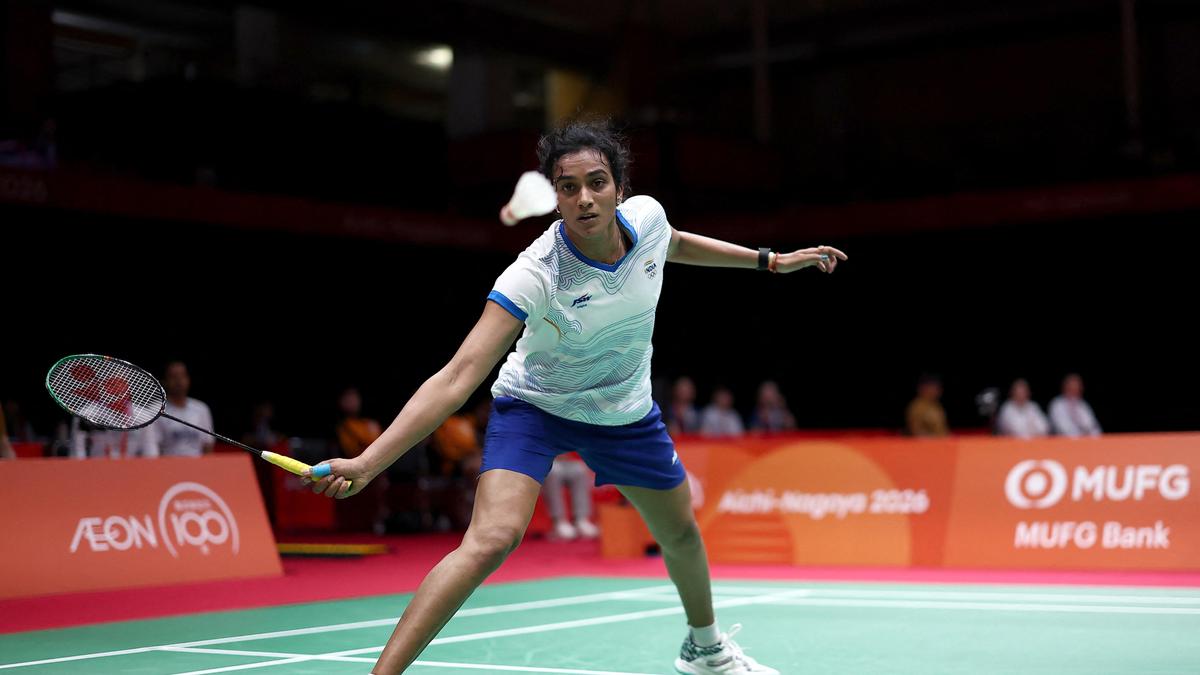
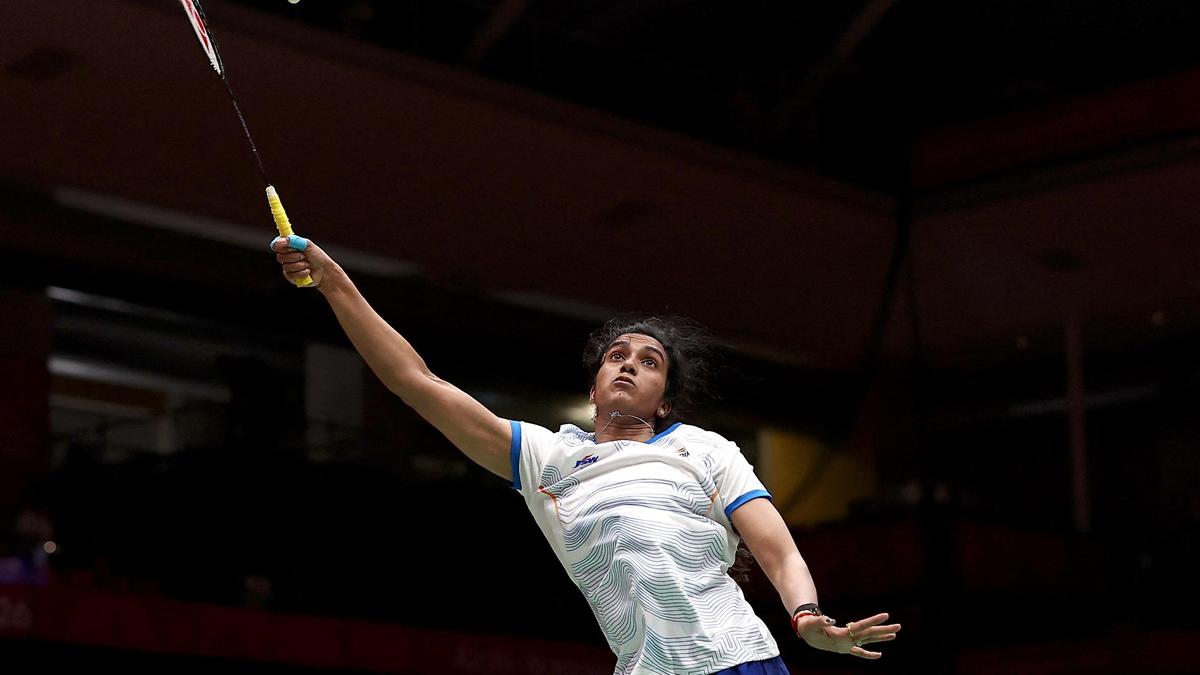
Two-time Asian Games medallist P.V. Sindhu, widely regarded as one of India’s most accomplished badminton athletes, entered the quarterfinals with high hopes of securing her third medal at the continental event. The 31-year-old shuttler, renowned for her powerful smashes and tactical prowess, faced a formidable opponent in China’s Chen Yu Fei, a player known for her strategic gameplay and consistency on the court.
In a tightly contested match that stretched over an hour and fifteen minutes, Sindhu initially took control of the game, showcasing her skill and experience. However, the Chinese ace fought back fiercely, ultimately winning the match with scores of 21-11, 18-21, 10-21. Despite her valiant effort, Sindhu’s journey in this edition of the Asian Games ends without a medal, marking a significant moment for Indian badminton fans who had hoped for a podium finish from their star athlete.
Unnati Hooda’s Near-Medal Run
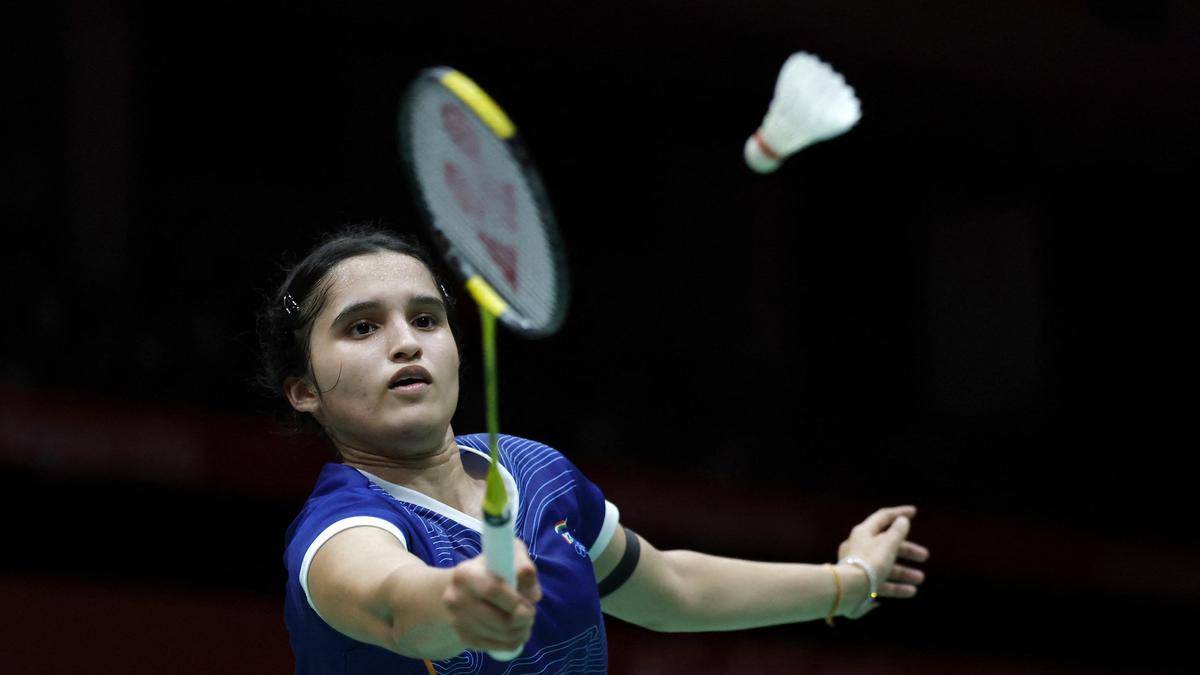
Unnati Hooda, a promising young talent and a rising star in Indian badminton, also displayed resilience and determination in her quarterfinal clash. Facing Akane Yamaguchi, a three-time World Champion from Japan, Hooda engaged in a marathon 66-minute battle that kept spectators on the edge of their seats. Demonstrating her tenacity, Hooda pushed the Japanese veteran to the brink, winning the second game and making it a tense decider.
However, Yamaguchi’s experience and composed gameplay ultimately prevailed, with the Japanese athlete clinching victory with scores of 21-16, 14-21, 21-17. Hooda’s performance, in particular, was a testament to her potential and fighting spirit, which bodes well for the future of Indian badminton. Though she narrowly missed out on a medal, her impressive showing has garnered praise and highlighted her as a player to watch in upcoming tournaments.
Mixed Doubles Duo and Women’s Doubles Exit
Adding to India’s exit tally were the mixed doubles pair of Dhruv Kapila and Tanisha Crasto, who fought hard but fell short against the Chinese World No. 1 duo Feng Yan Zhe and Huang Dongping. Their spirited effort resulted in a narrow 14-21, 21-18, 18-21 defeat, emphasizing the high level of competition at the Asian Games.
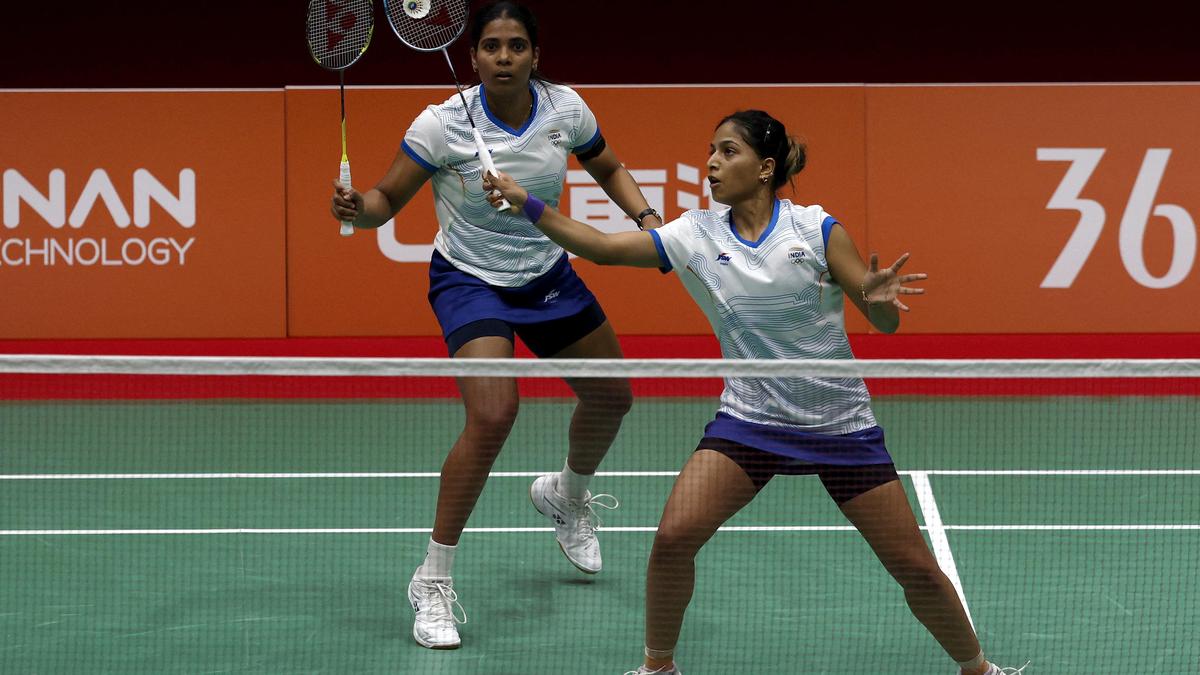
Similarly, the women’s doubles pair of Treesa Jolly and Gayatri Gopichand experienced a tough loss against Malaysia’s Pearly Tan and Thinaah Muralitharan, ranked fifth in the world. Their defeat by scores of 18-21, 9-21 marked the end of India’s campaign in women’s doubles, further underscoring the challenges faced by Indian badminton on the continental stage this year.
Historical Context and Significance of the Results
These outcomes signify a rare downturn for Indian badminton at the Asian Games. Since India’s last medal in individual badminton at the 2014 Incheon edition — where only the women’s team secured a bronze — the country has been steadily building a reputation as a formidable force in the sport. The current edition’s results, however, mark the first time since then that Indian shuttlers have failed to secure an individual medal.
In fact, the only podium finish for India at Asian Games 2026 came from the men’s team, which earned a bronze medal after a resilient performance in the team event. Their journey ended in the semifinals against China, but the medal maintains India’s status as a competitive nation in team badminton.
Analyzing the Challenges and the Road Ahead
High-Level Competition and Emerging Global Powerhouses
The results reflect the increasingly competitive landscape of international badminton, where Asian powerhouses like China, Japan, and Malaysia continue to dominate. Indian players face stiff competition from these nations, which have invested heavily in training, infrastructure, and talent development over the years.
Despite setbacks, India’s badminton fraternity remains optimistic about the future. Young athletes like Unnati Hooda and upcoming talents are gaining valuable experience on big stages, which will be crucial as they aim to climb the ranks and challenge global top players.
Focus on Development and Strategic Improvements
Experts suggest that India must focus on strengthening its grassroots programs, improving access to world-class coaching, and fostering a competitive environment that encourages innovation and resilience. The coaching staff and sports administrators are also looking at ways to better prepare athletes psychologically and physically for high-pressure tournaments like the Asian Games.
Conclusion: A Call for Continued Investment and Inspiration
While the recent results at the Asian Games 2026 may have dampened spirits momentarily, they also serve as a catalyst for reflection and renewed determination within Indian badminton. The sport has seen remarkable growth in India, and each setback is viewed as an opportunity to learn and improve. As fans and stakeholders rally behind their athletes, the hope remains that future editions will witness Indian shuttlers not only reaching the quarterfinals but also standing on the podium with medals around their necks.
Indian badminton’s journey is far from over. With continued investment, strategic focus, and emerging talent, the nation is destined to reclaim its position among the world’s top badminton nations in the years to come. The Asian Games 2026 may have closed this chapter with a lesson in resilience and perseverance, fueling the fire for a brighter, more victorious future.