
PSG Await News on Khvicha Kvaratskhelia After Barcelona Injury Scare
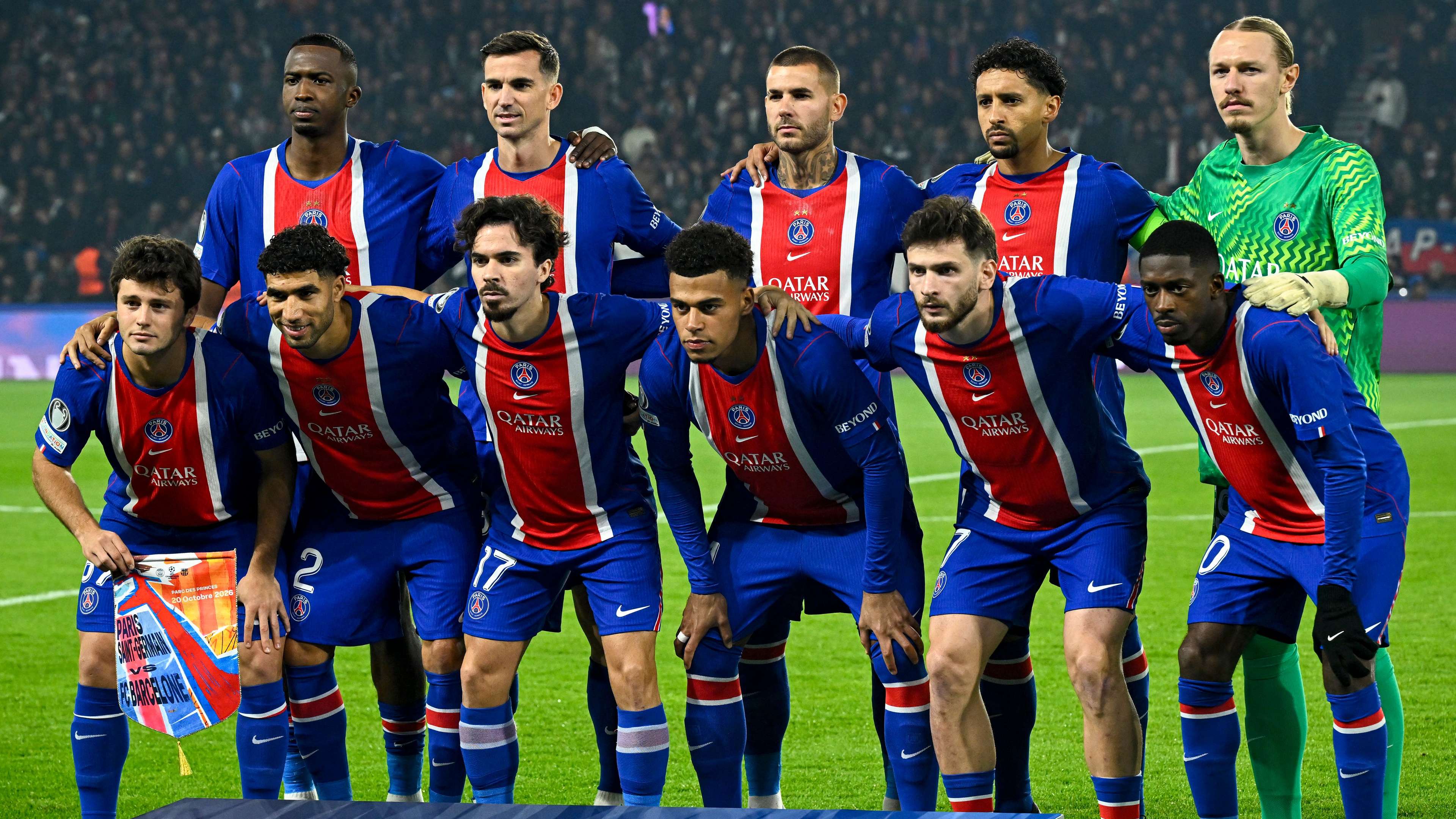
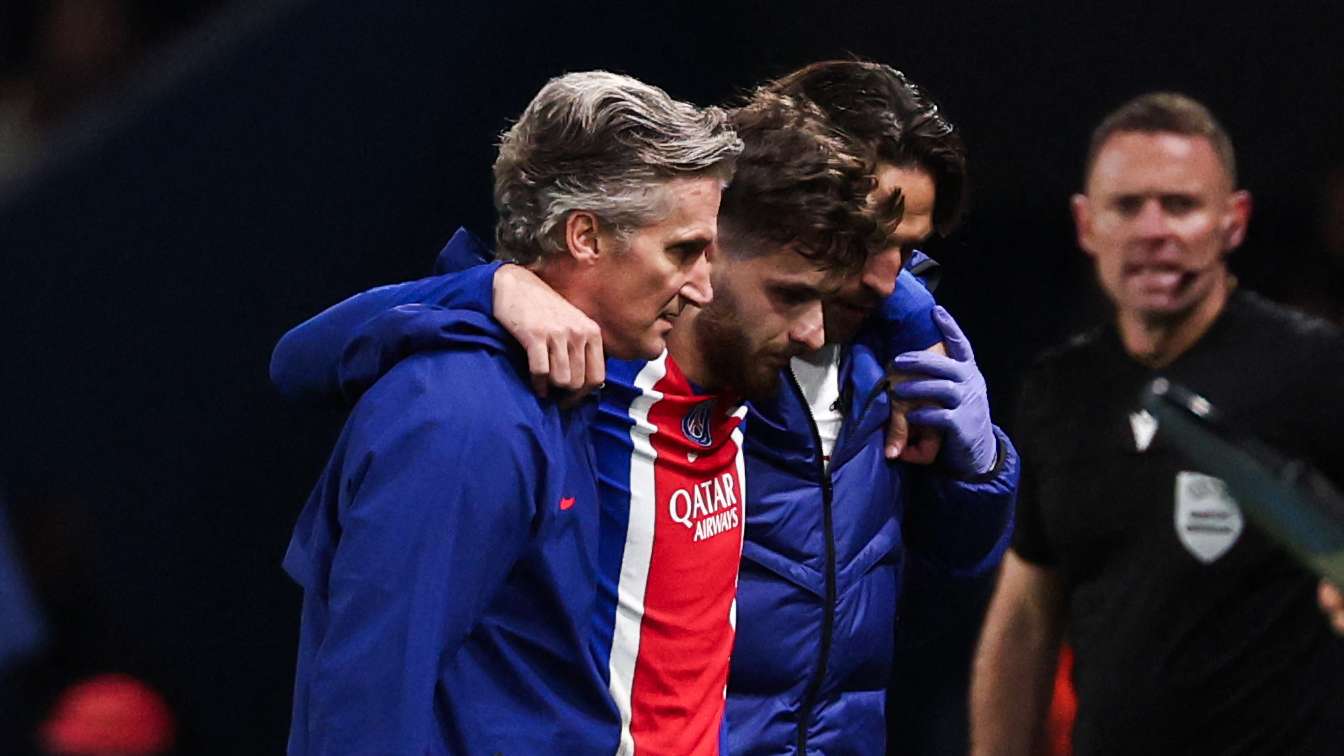
Paris Saint-Germain are facing uncertainty over the fitness of Khvicha Kvaratskhelia after the winger suffered a suspected knee injury during the match against Barcelona. The Georgia international was forced off before the hour mark, visibly in discomfort, leaving PSG supporters concerned that he could be facing a lengthy spell on the sidelines.
The club has not yet confirmed the full extent of the injury. A suspected anterior cruciate ligament (ACL) problem is among the initial concerns, but a diagnosis will depend on medical examinations and imaging. Until those results are available, it is too early to say whether Kvaratskhelia will miss a short run of fixtures or face a prolonged rehabilitation period.
What Happened to Kvaratskhelia?
Kvaratskhelia was unable to continue after sustaining the injury during the contest with Barcelona. He left the field before the 60-minute mark, and his reaction suggested significant discomfort. The incident immediately shifted attention from the match itself to the condition of one of PSG’s most influential attacking players.
Injuries to the knee can vary considerably in severity, and the circumstances of a player’s departure alone cannot establish a specific diagnosis. An ACL injury, if confirmed, would typically require specialist assessment and a carefully planned recovery. Other knee problems may involve a different treatment approach and a shorter absence. PSG are therefore likely to wait for a clear medical update before setting expectations about his return.
Why the Winger Matters to PSG
Kvaratskhelia’s importance to PSG extends beyond his ability to score. The Georgian winger brings direct running, close control and the confidence to challenge defenders one-on-one. He can stretch a back line by attacking the space behind it, but he is also capable of slowing the play, drawing opponents toward him and creating room for teammates.
That mix of qualities gives PSG valuable options in the final third. When opponents defend in a compact shape, Kvaratskhelia can provide a route through the wide areas. In transition, his acceleration and willingness to carry the ball can help turn a defensive recovery into an immediate attack. Losing that threat—even temporarily—could affect the balance of the team and place greater responsibility on PSG’s other forwards.
His influence is also tactical. Defenders often need to provide extra cover when facing a winger who can beat them directly, potentially opening passing lanes elsewhere. Without Kvaratskhelia, PSG may need to adjust their attacking patterns, rely more heavily on overlapping full-backs or use a different forward to hold width. The best solution will depend on his recovery timeline and the players available for selection.
PSG’s Options While They Wait for a Diagnosis
For now, the immediate priority is a reliable assessment rather than speculation. PSG’s medical staff will evaluate the affected knee and determine whether further scans are required. Once the club has a confirmed diagnosis, it can provide a more meaningful estimate of the winger’s absence and begin planning his rehabilitation or return to training.
If Kvaratskhelia is unavailable, the coaching staff could rotate other attacking players into the wide role, change the shape of the front line or ask a midfielder to provide additional support in possession. Each option carries trade-offs. A replacement may offer greater defensive work or a different style of movement, but reproducing Kvaratskhelia’s ability to carry the ball and unsettle defenders is a separate challenge.
PSG may also need to manage their remaining attackers carefully if the injury affects a busy stretch of the calendar. A prolonged absence could increase the workload on players who are already contributing across domestic and European competitions. Squad depth, tactical flexibility and the timing of upcoming fixtures may all become significant factors.
What an ACL Injury Could Mean
An anterior cruciate ligament injury is one of the more serious setbacks a footballer can suffer. The ligament helps stabilise the knee, particularly during movements involving sudden changes of direction, acceleration and deceleration—all common actions for a winger. If scans confirm a major ACL injury, treatment can involve surgery followed by an extended rehabilitation programme.
Recovery is not simply a matter of waiting a set number of months. Players typically progress through stages that rebuild strength, mobility, balance and confidence before they return to full team training. Medical staff also monitor how the knee responds to football-specific movements and contact. Any timetable would need to be based on Kvaratskhelia’s individual diagnosis and progress, rather than assumptions drawn from other cases.
It is important, however, not to treat the initial concern as confirmation. A suspected ACL injury can only be verified through appropriate medical assessment. Supporters should look for an official update from PSG before drawing conclusions about the player’s availability or the length of a possible absence.
Impact on PSG’s Season and Football Predictions
Kvaratskhelia’s situation may influence how analysts assess PSG’s prospects in the weeks ahead. Any football prediction involving the club should account for the possibility that a key attacker could be unavailable, while recognising that the impact depends on the final diagnosis and the quality of the replacement. One injury can alter a team’s attacking balance, but it does not automatically determine the outcome of a season or a particular match.
Opponents may see an opportunity to defend more aggressively on PSG’s left or right flank, depending on where the team usually deploys him. PSG, meanwhile, could respond by concentrating attacks through the centre, using quicker combinations or assigning another player to occupy defenders in wide areas. These adjustments may change the team’s style, but they could also create opportunities for other members of the squad to take on a larger role.
For fans, the key question is not only how long Kvaratskhelia might be absent, but how PSG adapt while he recovers. His pace, creativity and one-on-one ability make him difficult to replace directly. Still, the club has tactical alternatives, and the final assessment will determine whether those plans are needed for a handful of matches or for a much longer period.
Waiting for an Official Update
PSG supporters will be watching closely for news from the club after the winger’s painful exit against Barcelona. Until medical tests clarify the injury, the most responsible outlook is cautious: the suspected ACL problem is a serious concern, but it remains unconfirmed. A definitive update should establish the nature of the damage and offer a clearer picture of his recovery.
For now, PSG must prepare for both possibilities—Kvaratskhelia returning soon or facing an extended spell away from the pitch. His absence would be a significant blow to the team’s attacking options, but the club’s response will depend on the diagnosis, the depth of its squad and the tactical decisions made in the coming weeks.