
PSG Await MRI Results After Khvicha Kvaratskhelia Suffers Painful Knee Injury
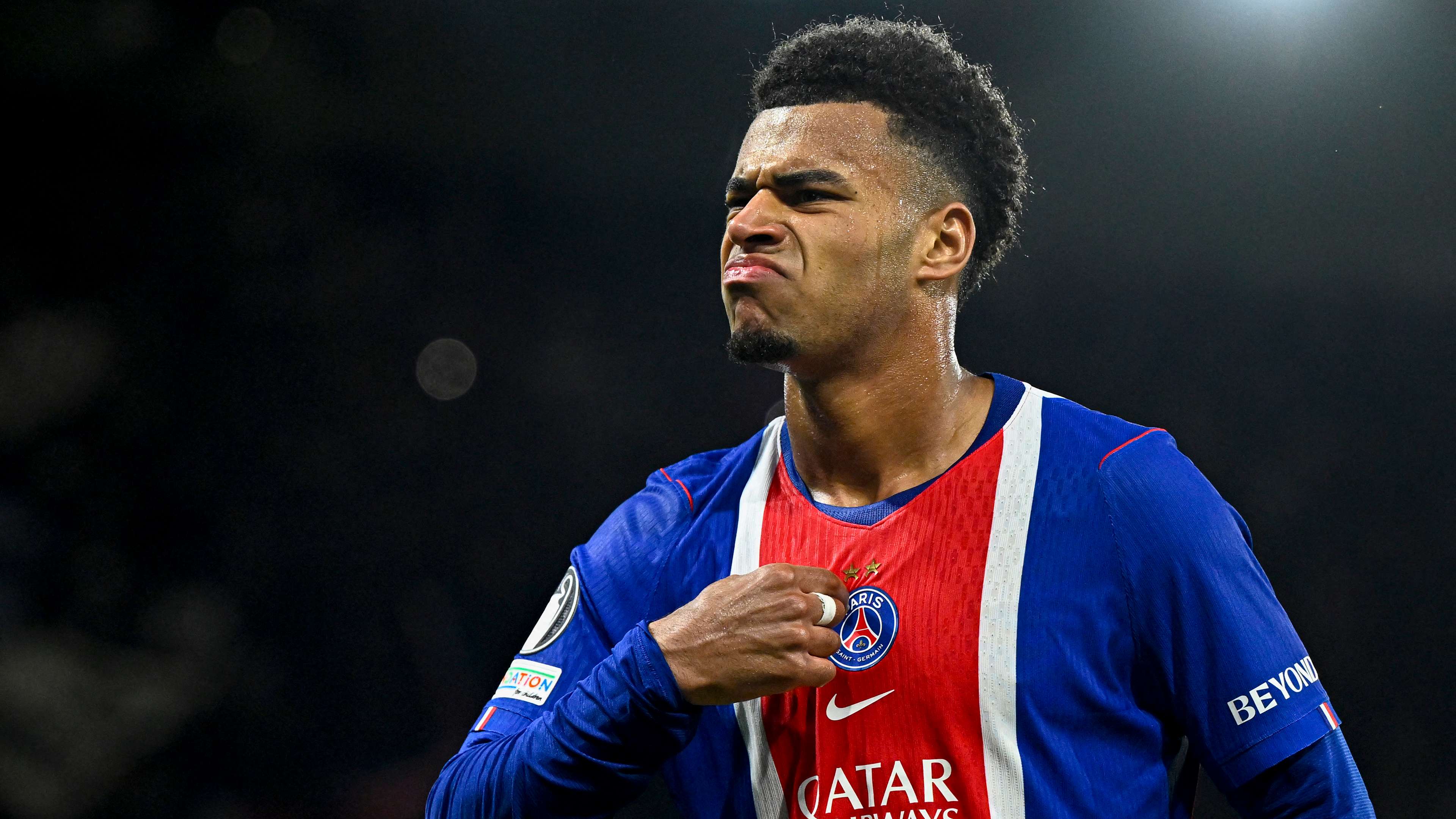
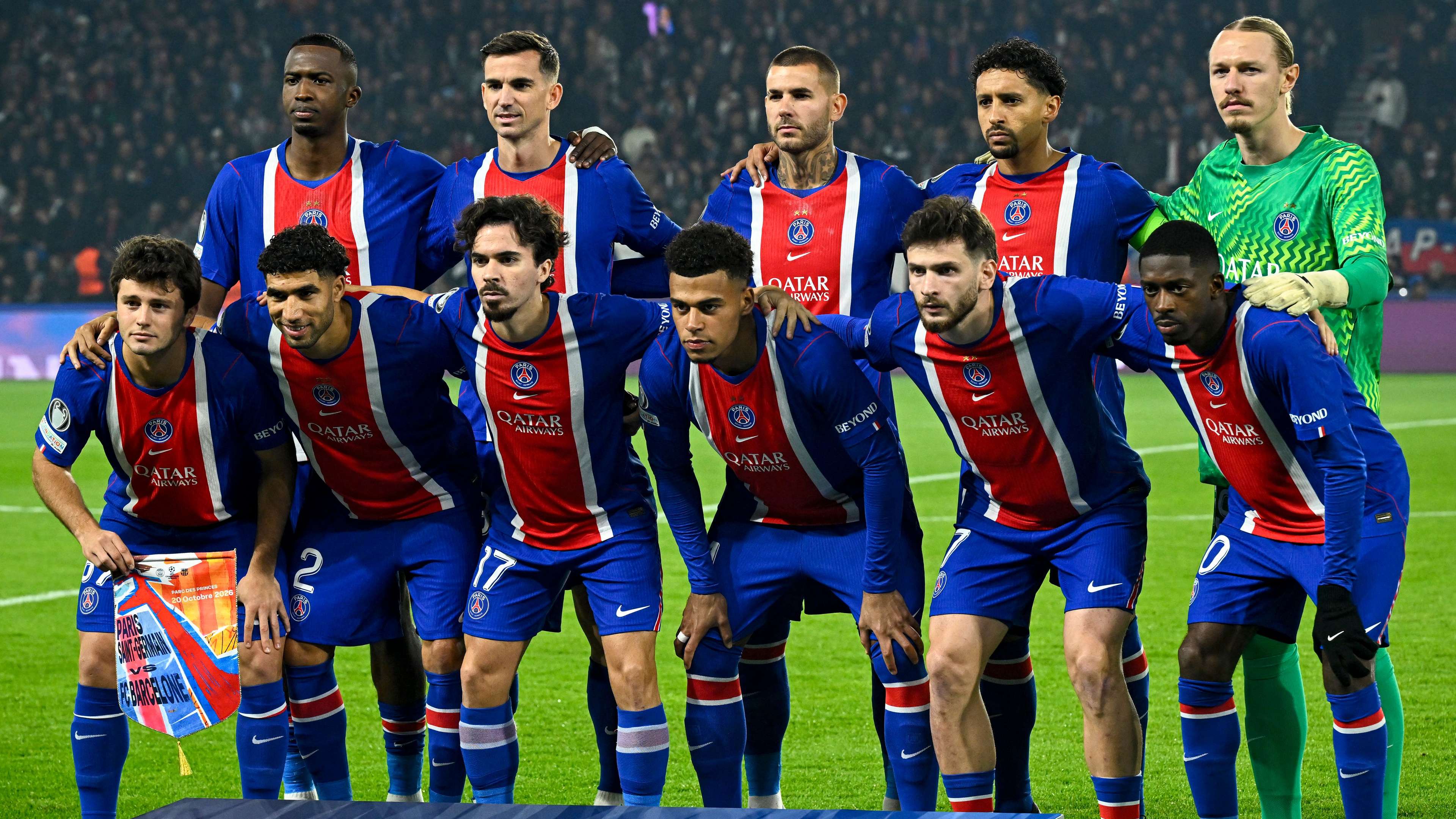
Paris Saint-Germain’s 4-2 victory over Barcelona in the UEFA Champions League was a thrilling result, but the celebrations at the Parc des Princes were overshadowed by concern for Khvicha Kvaratskhelia. The Georgian winger was forced off in the second half after a painful collision, and the first reports about his condition have raised fears of a serious knee injury.
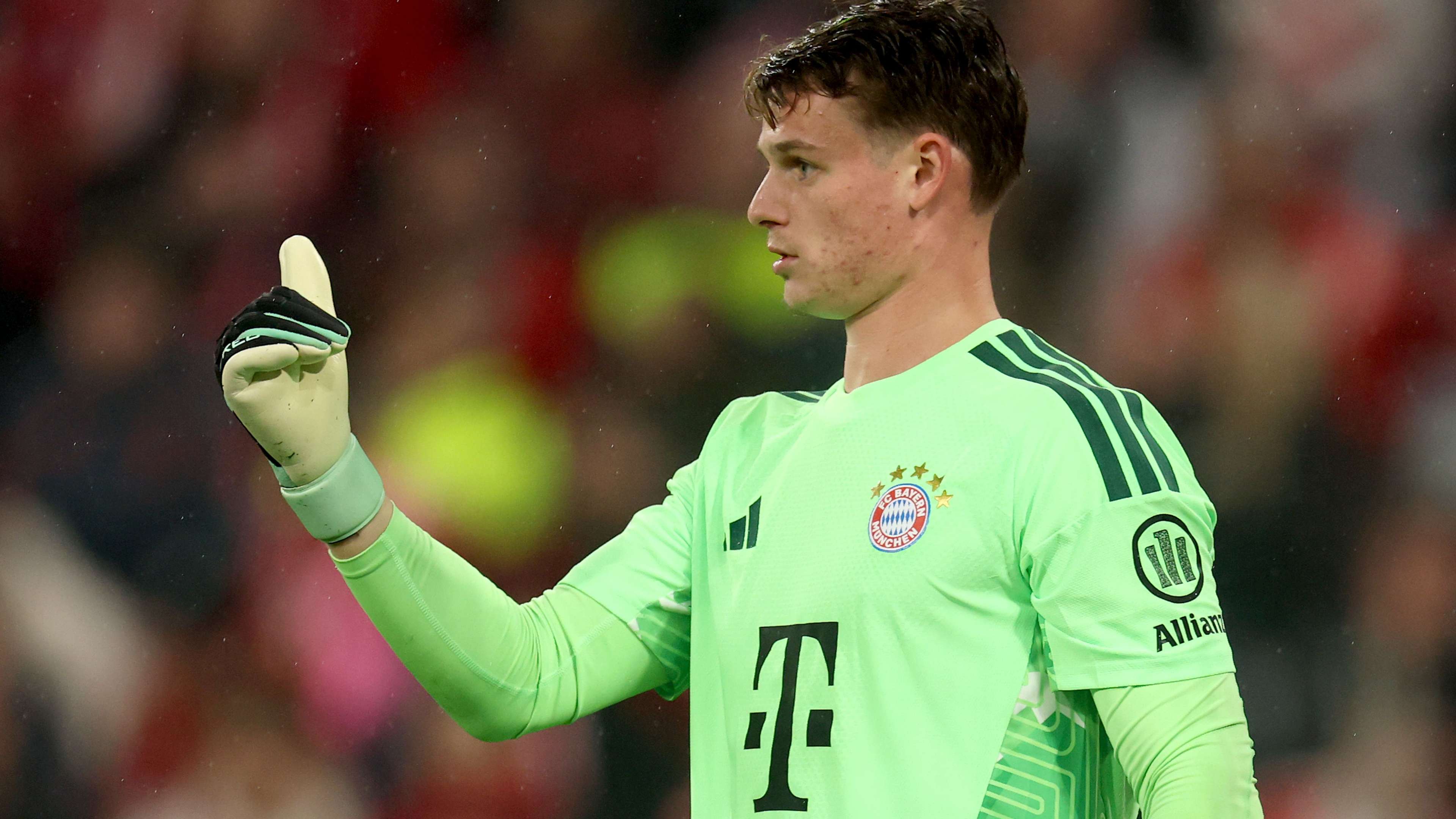
Kvaratskhelia left the pitch in the 59th minute after clashing with Barcelona’s Xavi Espart. He went down clutching his knee and appeared to be in considerable pain. Reports said he was unable to put weight on his foot as he made his way off, an unsettling sight for PSG supporters and the coaching staff.
Initial examinations raise concern
According to French media reports, including coverage by Foot Mercato citing L’Équipe, the early examinations conducted after the match were not reassuring. People close to the player are reportedly concerned that he may have damaged the anterior cruciate ligament (ACL) in his knee.
That possibility remains unconfirmed. PSG have not announced a definitive diagnosis, and the club is waiting for further medical checks before commenting on the severity of the injury. An MRI scan is scheduled for Wednesday, with the results expected to clarify what happened and provide a more reliable estimate of any recovery period.
Until those findings are available, it is too early to say how long Kvaratskhelia could be sidelined. Knee injuries can vary considerably in nature and severity, and the initial reaction to a painful incident does not, by itself, establish a diagnosis. The MRI will be an important step in determining whether the damage is limited or whether more extensive treatment will be required.
Why an ACL injury would be a major blow for PSG
A confirmed cruciate ligament tear would represent a significant setback for PSG. ACL injuries often require surgery and a lengthy rehabilitation, potentially keeping a player out for several months. In that scenario, Kvaratskhelia’s availability for the remainder of the season could be in serious doubt.
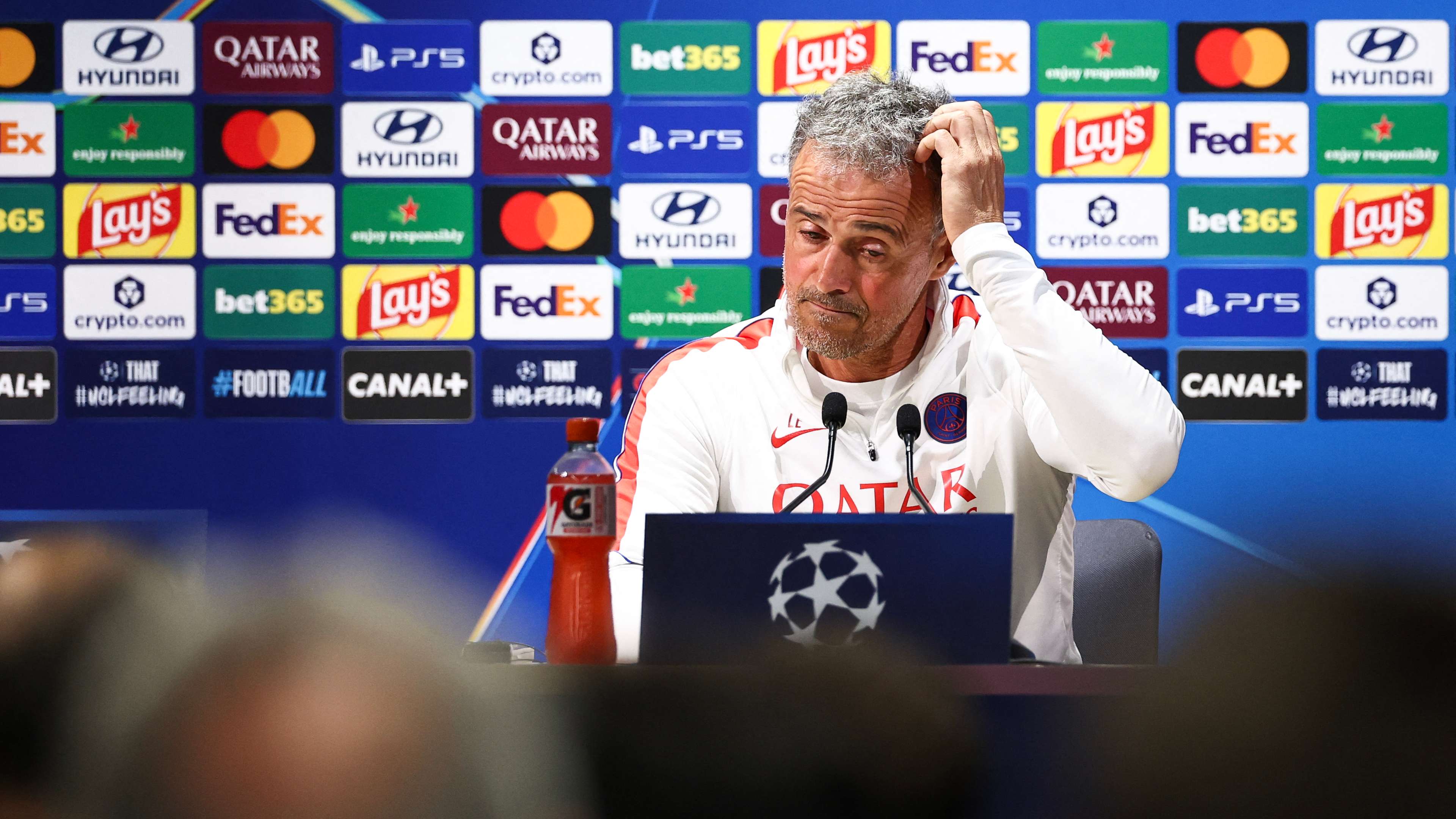
The winger’s absence would also create a tactical challenge for coach Luis Enrique. Kvaratskhelia brings direct running, close control and the ability to take on defenders in one-on-one situations. He can stretch a defence from the flank, create chances for teammates and threaten goal himself—qualities that are particularly valuable in high-pressure European fixtures.
Replacing those contributions would likely require more than simply selecting another wide player. PSG may need to adjust their attacking shape, redistribute creative responsibilities or give a different forward a larger role. The best response would depend on the diagnosis, the squad’s availability and the demands of the club’s upcoming schedule.
Victory over Barcelona comes with a worrying caveat
PSG’s four-goal performance against Barcelona offered plenty for supporters to celebrate, but Kvaratskhelia’s injury changed the mood after the final whistle. A Champions League win can strengthen a team’s confidence and position, yet the loss of a key attacker could affect the balance of the squad as the competition progresses.
The timing is especially important because the European calendar leaves little room for recovery between demanding matches. PSG must manage domestic commitments alongside their Champions League campaign, while ensuring that any injured player receives appropriate care rather than being rushed back. The club’s medical team will be central to both the diagnosis and the decisions that follow.
For now, the focus is on the scan rather than speculation. PSG’s cautious public stance reflects the uncertainty surrounding the incident: until imaging and specialist assessments are complete, neither the exact injury nor a return date can be confirmed. Supporters will be watching for an official update after the MRI.
What the injury could mean for PSG’s season
If the scan rules out major ligament damage, Kvaratskhelia may still face a period of rehabilitation, but the outlook could be considerably more encouraging. If it confirms an ACL tear, PSG would have to plan for a prolonged absence and consider how to maintain their attacking threat without one of their most dynamic players.
Any discussion of a return timeline should therefore be treated carefully. Recovery depends on the precise injury, the treatment plan and how the player responds to rehabilitation. Even when a broad estimate is available, the priority is a safe return to full fitness—not meeting a prediction based solely on the calendar.
For the Georgian international, the coming medical assessment is the decisive next step. For PSG, it will determine whether the Barcelona match is remembered mainly for a dramatic football result or for the moment that raised serious concern about a key player’s future availability. Until the club releases the MRI findings, the outcome remains uncertain.