
Real Madrid Doctor Warns Fixture Congestion Is Putting Footballers at Risk
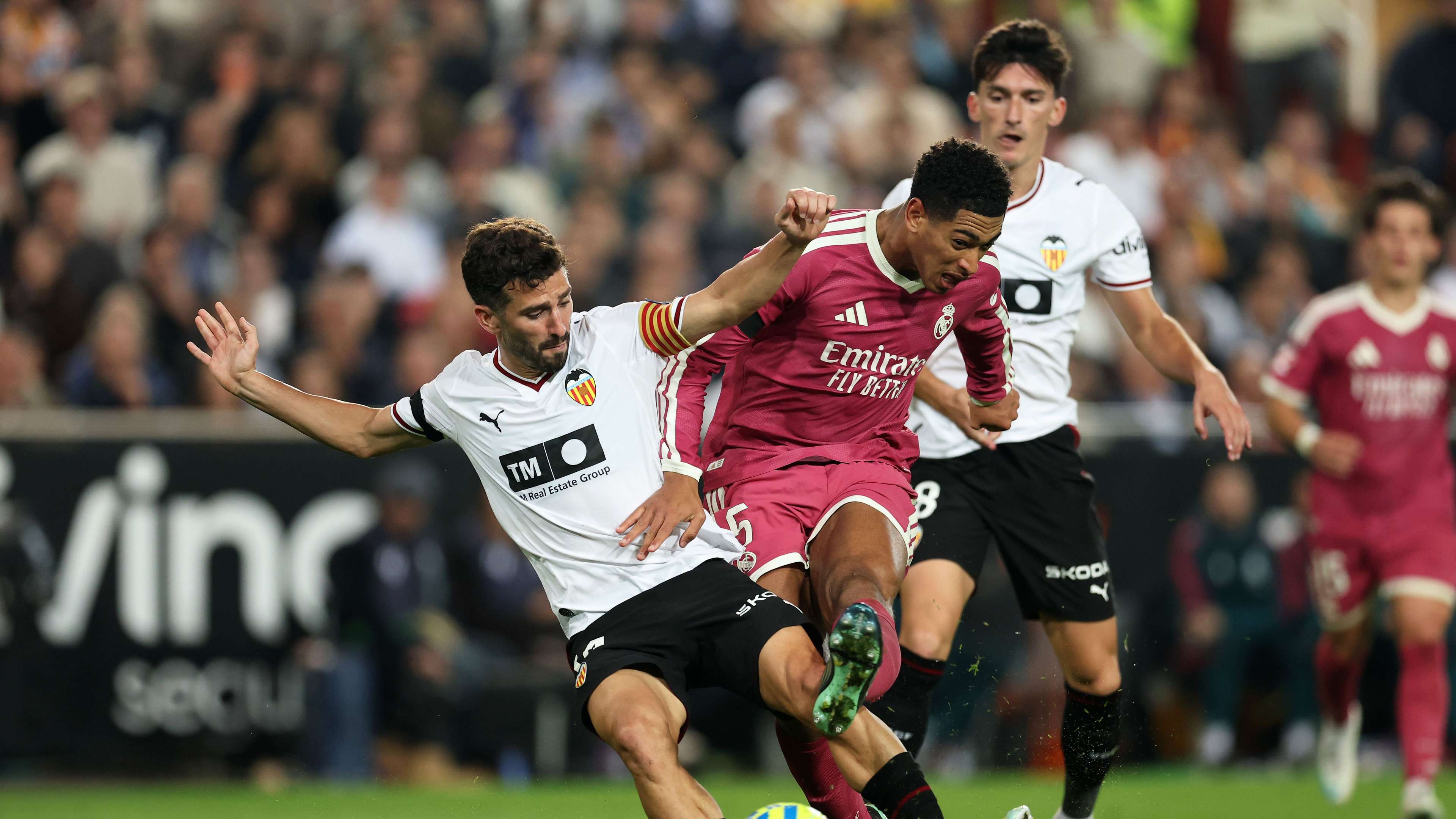
Football calendars are becoming increasingly crowded, and Real Madrid first-team medical supervisor Dr Niko Mihic says the consequences for players’ health can no longer be ignored. With short recovery periods and more matches competing for space in each season, he is calling for a rethink of the schedule—and for athlete welfare to take priority over commercial and competitive demands.
Speaking to Spanish newspaper AS during the 15th World Congress of Sports Medicine at the Santiago Bernabéu, Mihic warned that the current pace of the game is placing players under growing physical strain. In his view, the issue is not simply that footballers are asked to play more often. It is that the time available to recover between matches may not be enough to prepare their bodies for the next intense effort.
“Another match, and then another”
Mihic used an unusually stark comparison to describe how he believes players are being treated. “If our players were racehorses, there would be protests and accusations of animal cruelty for forcing them to run all the time,” he said.
He argued that football has become accustomed to a relentless cycle of fixtures, with too little attention paid to the condition of the people expected to perform in them. “Another match and then another match, and matches piling up on top of one another, without anyone asking about the player’s condition,” he added.
The concern reaches beyond elite clubs. Domestic leagues, cup competitions, continental tournaments and international commitments can all contribute to a demanding calendar. For players who feature regularly for both club and country, the accumulation of travel, training and match minutes may leave limited opportunities for meaningful rest. Even when a player is not injured, fatigue can affect preparation, recovery and readiness for future games.
Mihic’s proposed response is a broader discussion about how many matches football can reasonably ask players to contest. He called for fewer fixtures and longer breaks, alongside a greater role for athletes in decisions that affect their working conditions. The principle, he said, should be straightforward: the health of the player must come before the interests of competition.
Fixture congestion and injury risk
The Real Madrid doctor also connected the crowded schedule with concern about anterior cruciate ligament (ACL) injuries. These injuries can require extensive rehabilitation and may keep players away from competition for a long period. Mihic cautioned that footballers are now being asked to play more matches than in previous eras, increasing their exposure to demanding physical situations.
Fixture congestion should not be treated as the sole explanation for any individual injury. ACL problems can have multiple contributing factors, and a busy calendar does not mean every player will suffer the same consequences. However, limited recovery time is an important part of the wider conversation about workload, physical preparation and injury prevention.
Mihic also pointed to a significant unanswered question in sports medicine: women experience ACL injuries at rates reported to be as much as eight times higher than men, yet there is no single, definitive explanation for the difference. Researchers continue to examine a range of possible influences, including anatomy, hormones, movement patterns, playing surfaces and training demands. Understanding the causes more clearly could help sports organisations develop prevention strategies that are better suited to women’s football.
Better monitoring may improve player protection
Medical technology is offering new ways to assess injuries and monitor athletes. Mihic said international and European football authorities are studying the effects of repeated impacts to the head, including incidents that may not produce an obvious concussion diagnosis but could still warrant attention.
Blood-based markers associated with brain injury and portable electroencephalography devices are among the tools being explored. Such technologies could, over time, help medical teams assess head impacts more accurately and make better-informed decisions about a player’s condition. The aim is not to replace clinical judgement, but to give doctors additional evidence when evaluating potential injuries.
For clubs and governing bodies, this work is part of a larger shift towards prevention and early detection. Better monitoring may help identify concerns sooner, while clearer protocols can support decisions about when a player should stop, receive further assessment or return to training. In a sport where players and teams face pressure to keep competing, independent medical evaluation remains especially important.
Medical advances are extending sporting careers
Mihic also highlighted the progress made in surgery and injury treatment, saying that modern medicine has helped athletes continue competing for longer. Cristiano Ronaldo, Luka Modrić, Lionel Messi and tennis player Novak Djokovic are examples of stars whose careers have extended into ages once widely regarded as late in an elite sporting life.
Improved rehabilitation, more precise surgical techniques and increasingly individualised training can all support a return to competition. But longer careers should not be mistaken for proof that players can withstand unlimited workloads. Medical advances may help athletes recover from injuries, yet they do not remove the need for adequate rest or careful management of physical demands.
That distinction is central to the debate over the future of football. Better treatment can help players return, but prevention remains preferable to rehabilitation. A well-designed calendar, appropriate recovery periods and close monitoring may help reduce avoidable strain while preserving the quality of the game for players and supporters alike.
Personalised nutrition at Real Madrid
Nutrition is another area where Mihic said individual care matters. Real Madrid uses saliva samples for DNA analysis to help assess players’ nutritional needs, including requirements related to carbohydrates and iron, as well as the timing of intake. The approach reflects a wider trend in elite sport: replacing one-size-fits-all recommendations with plans tailored to each athlete.
Personalised nutrition can support training and recovery, but it is only one part of a player’s overall health programme. Sleep, workload, rehabilitation and mental wellbeing also matter. For supporters following team news, injury updates and match prediction coverage, these behind-the-scenes factors can help explain why a player may be rested or unavailable, even when a major fixture is approaching.
A wider question for football
Mihic’s message is ultimately a challenge to the sport’s decision-makers: how can football continue to expand its competitions without placing unreasonable demands on its athletes? His call for awareness, longer rest periods and a stronger player voice adds to an increasingly prominent debate about the balance between entertainment and welfare.
As the calendar grows more complex, protecting players will require more than medical advances alone. Clubs, leagues and governing bodies will need to consider workload, recovery and the long-term effects of repeated competition. Mihic’s warning is clear: football’s future depends not only on the matches it can stage, but also on ensuring that the players remain healthy enough to play them.