
Raúl González Begins First Senior Coaching Job at Real Oviedo
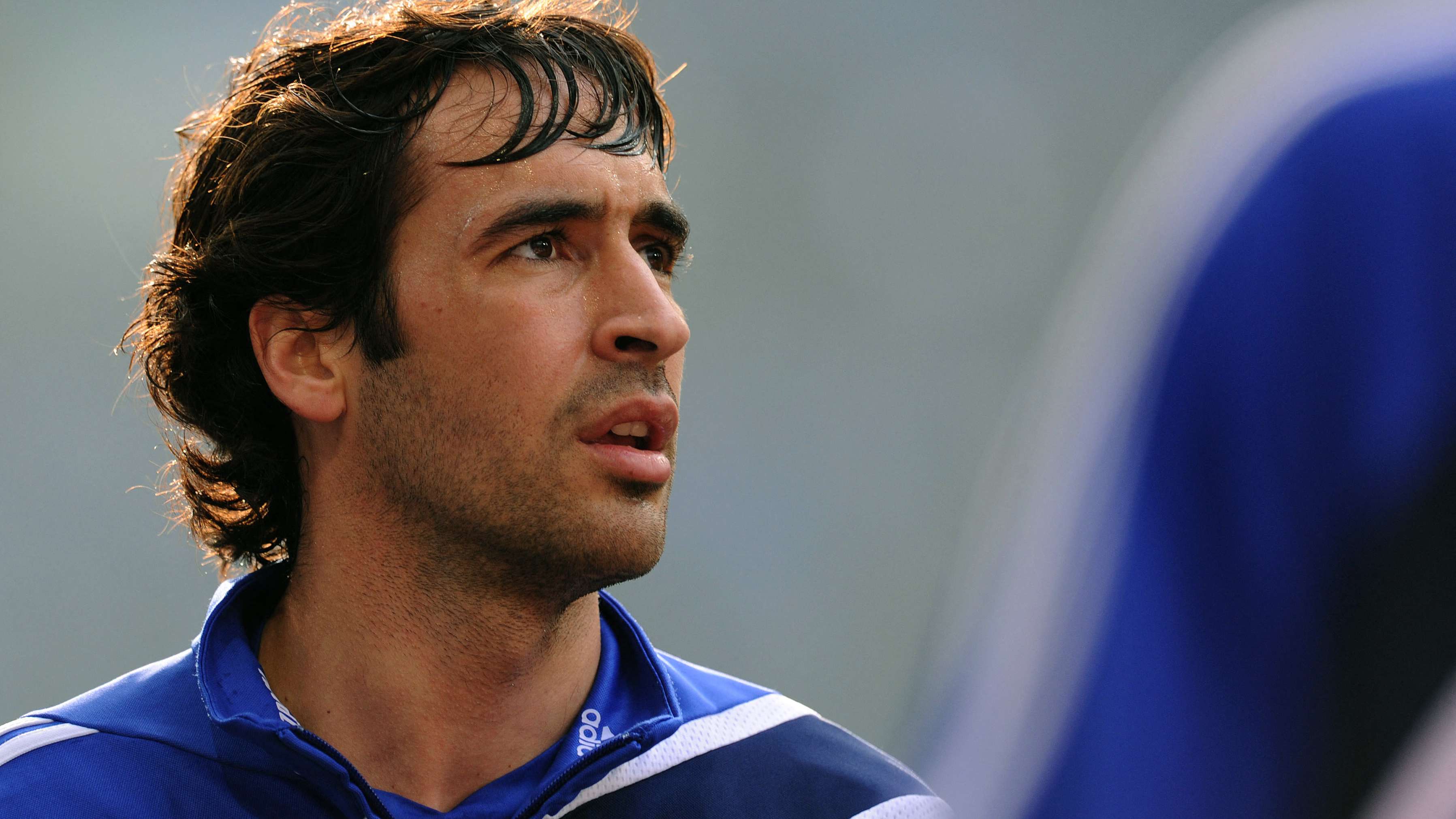
Raúl González has begun a new chapter in football, taking charge of Real Oviedo as the club’s first-team manager and making clear that his immediate focus is on earning the trust of the players. The former Real Madrid captain was officially presented at the Carlos Tartiere stadium after leading his first training session at the club’s El Requexón base.
Oviedo appointed Raúl after dismissing Julián Calero, despite the team’s 2-1 victory over Cádiz. The decision gives one of Spanish football’s most celebrated former players his first senior management role—and hands him the task of improving the club’s position in a demanding Segunda División campaign.
Speaking at his unveiling, Raúl acknowledged the scale of the challenge and the importance of building a strong relationship with the squad. “I need the players’ support,” he said, expressing confidence in the group while stressing that progress would have to come through hard work, patience and a shared sense of purpose.
Why Raúl Chose Real Oviedo
Raúl said Oviedo appealed to him because of its history, passionate supporters and connection to the city. After a period away from coaching, he wanted a project that offered more than a short-term opportunity. The club’s ambition and plans for continued development helped persuade him to take the job.
According to comments reported by AS, Raúl said he had received offers from other clubs but was convinced by Oviedo’s leadership and the seriousness of its sporting project. He highlighted the work of sporting director David Fernández, as well as the club’s plans for a new sporting complex—an investment that could support long-term growth and improve the conditions available to players and staff.
Raúl also spoke with people connected to the club, including Santi Cazorla and César. Those conversations helped him understand the environment he was joining and strengthened his belief that Oviedo could provide the right setting for his first senior appointment.
His presentation began on a sombre note. Raúl offered condolences to the family of a police officer who had died in Oviedo earlier that day, before turning to the footballing challenge ahead. His remarks reflected the close relationship between the club and its community—a bond that has long been central to Oviedo’s identity.
A Clear Mission: Build Identity and Improve the Table Position
Raúl described Oviedo as a balanced team with the potential to perform better than its current league position suggests. He said there had been encouraging signs during the season, and that people around the club believed the squad deserved a higher place in the standings. His immediate aim is to turn that belief into consistent results.
“We want to rise to the level of this club,” he said, outlining a plan to create a distinctive playing identity while making the most of the qualities already within the squad. With limited time to prepare before competitive fixtures resume, he is not expected to overhaul everything at once. Instead, his approach is likely to involve assessing the players, identifying what is working and gradually introducing his ideas.
Raúl said he had already sensed the squad’s eagerness to work and give its best. He thanked the players for their support and understanding, while warning that standards would be high. His message was not simply about discipline: he also wants the team to enjoy the game and compete with courage.
For Oviedo, the season’s broader objective remains clear: secure their place in the second division and build enough momentum to finish in a stronger position. The league is long and unpredictable, and Raúl acknowledged that the campaign will involve difficult matches and setbacks. His prediction was measured rather than dramatic: the team must take the journey step by step, stay united and fight for its target.
What Raúl’s Coaching Background Brings
Although this is Raúl’s first job managing a senior professional team, he is not new to coaching. He previously worked in Real Madrid’s academy, where he developed experience guiding young players and working within a high-pressure football environment. However, he never took charge of Madrid’s first team, despite his status as one of the club’s most iconic figures.
His playing career gives him considerable authority, but success at Oviedo will depend on translating that experience into clear communication, tactical decisions and results. A reputation built on the pitch can open doors; it cannot guarantee points. Raúl has recognised that distinction by emphasising the need for the players’ backing and by speaking about collective responsibility rather than personal status.
He also described himself as demanding but committed to enjoying the work. “Football is my passion,” he said, adding that being on the pitch brings him joy. That enthusiasm may help him connect with the squad, particularly as he begins to shape the team’s habits during a busy stretch of the season.
Raúl Plays Down Talk of a Real Madrid Return
One of the most closely watched moments of the press conference came when Raúl was asked whether he could return to Real Madrid as a coach in the future. Given his history with the club, speculation about a possible appointment has followed him throughout his coaching career. This time, however, he declined to look beyond his new role.
“I see myself staying here,” Raúl said, pointing to the trust Oviedo had shown him. He described the opportunity as an honour and said he was happy to work with the team every day. Rather than treating the job as a stepping stone, he presented himself as fully focused on helping the Asturian club.
He said he wants supporters to see a team that fights bravely and never gives up. That promise is likely to matter as much as any tactical plan: Oviedo’s fans expect commitment, and a visible connection between the squad and the crowd could become an important part of Raúl’s early work.
Transfer Plans Will Depend on What the Squad Needs
Raúl was cautious when asked about the winter transfer window. He said the club would assess the players’ progress before deciding whether reinforcements were necessary. The priority, for now, is to understand the squad and determine where improvements could make a meaningful difference.
He insisted that he was satisfied with the group and was not looking to complain or make changes for their own sake. If weaknesses emerge, the club will consider how best to address them. That measured approach leaves room for January additions while signalling that Raúl intends to give the current players an opportunity to prove themselves.
For Real Oviedo, the appointment represents both a fresh start and a significant test. Raúl arrives with a famous name, a strong connection to Spanish football and a clear desire to build something with the club. The next measure will be results: whether he can turn the squad’s determination into a recognisable style, greater consistency and the points needed to meet Oviedo’s survival objective.