
Cristiano Ronaldo’s 2008 Ballon d’Or Edition Wins UEFA and France Football’s “BOAT” Vote
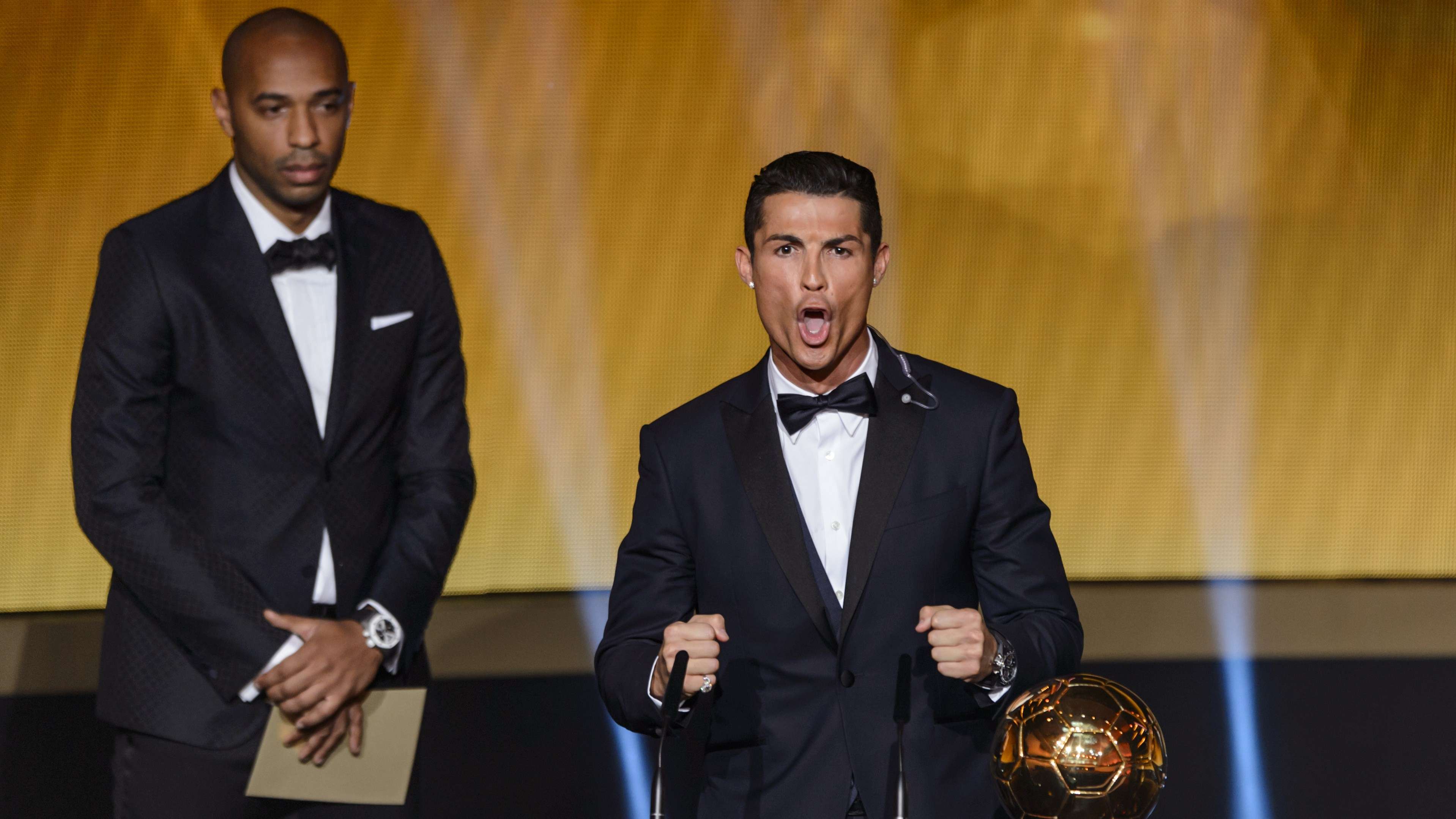
Cristiano Ronaldo has added another distinction to his decorated career, with the version of the Portuguese forward who won the 2008 Ballon d’Or voted the greatest of all time in a public poll organised by UEFA and France Football. The result places Ronaldo’s breakthrough triumph ahead of celebrated Ballon d’Or-winning campaigns by Lionel Messi and several of football’s most influential players.
The “BOAT” award—short for “Best Of All Time”—asked fans to choose the strongest individual Ballon d’Or-winning season from a shortlist of ten players who had each claimed the prize at least twice. The poll focused on a particular edition of the award rather than asking voters to rank entire careers. That distinction made Ronaldo’s 2008 season, when he starred for Manchester United, the winning entry.
According to the official Ballon d’Or website, Ronaldo finished first in the public vote. Messi’s 2012 Ballon d’Or season placed second, while Ronaldo appeared again in the rankings, taking third place for his 2017 award-winning campaign. The results underline the enduring appeal of both modern superstars—and the lasting impact of Ronaldo’s first major Ballon d’Or success.
Why Ronaldo’s 2008 Season Stood Out
Ronaldo’s 2008 victory marked a turning point in his career. At Manchester United, he had developed from a talented, skilful winger into a decisive attacking force, combining pace and technical ability with an increasingly impressive scoring record. His performances helped make him one of the most influential players in European football and established the foundation for his later rivalry with Messi.
The Portuguese star won the Ballon d’Or after competing against Messi and Spain striker Fernando Torres. His success reflected more than individual flair: it recognised a season in which his goals, movement and ability to change matches made him central to Manchester United’s attack. For many supporters, the 2008 edition represents the moment Ronaldo moved from promising superstar to a leading candidate for the title of the world’s best player.
That early achievement also provides useful context for the BOAT result. Ronaldo’s later Ballon d’Or wins came during his highly productive years at Real Madrid, but the 2008 award captured the first major peak of his senior career. Voters may have been drawn to the sense of breakthrough as much as to the quality of his performances: this was the campaign that announced a new global football icon.
Ronaldo and Messi Lead a Field of Football Legends
The shortlist brought together players from different generations and footballing eras. Ronaldo entered the contest as a five-time Ballon d’Or winner, while Messi had collected the award eight times. Their inclusion was expected, but the competition also featured historic figures whose achievements helped shape the modern game.
Among those nominated were Johan Cruyff, Marco van Basten and Michel Platini, each a three-time winner. The list also included two-time recipients Alfredo Di Stéfano, Franz Beckenbauer, Kevin Keegan, Ronaldo of Brazil and Karl-Heinz Rummenigge. Together, they represented a wide range of styles, positions and eras—from influential playmakers and prolific forwards to defenders and leaders who transformed their teams.
Comparing Ballon d’Or seasons across generations is challenging. Players face different tactical systems, training methods, competition formats and expectations from supporters. A forward’s statistics, for example, cannot fully capture the influence of a midfielder who controlled the rhythm of a match or a defender who organised an entire team. The BOAT vote therefore offers a snapshot of public opinion rather than a definitive, measurable ranking of football history.
A Public Vote With a Paid Entry
Fans cast their selections through the Ballon d’Or website, with each vote costing one euro. Voting closed in the early hours between Tuesday and Wednesday, and participants were entered into a draw for two tickets to the 2027 Ballon d’Or ceremony. The format gave supporters a direct role in deciding the result while also linking the poll to the sport’s best-known individual awards event.
Because the poll relied on public participation, its outcome reflects how supporters connect with particular players and moments. A paid vote may encourage especially committed fans to take part, although it does not necessarily represent every football audience equally. The result is best understood as a fan-led celebration of memorable Ballon d’Or-winning campaigns, rather than a formal verdict from a panel of historians or coaches.
Five Ballon d’Or Wins Across Two Clubs
Ronaldo’s 2008 award was the first of five Ballon d’Or victories. He later won in 2013, 2014, 2016 and 2017, with each of those four honours earned while he played for Real Madrid. The sequence charts his evolution from a dynamic Manchester United attacker into one of the most prolific and recognisable forwards of his generation.
His repeated presence in the BOAT rankings is notable. Ronaldo’s 2008 and 2017 editions both placed among the leading choices, suggesting that supporters value different phases of his career: his first rise to the top and his later success at the peak of his scoring powers. Messi’s second-place finish for 2012 similarly highlights how a single season can become a lasting reference point for fans.
What the BOAT Result Means for Football Fans
The award is not a replacement for the Ballon d’Or itself, nor does it settle the debate over football’s greatest player. Instead, it encourages fans to revisit the seasons behind the trophies and consider what made each winner special. Was it individual brilliance, consistency, decisive performances, team success or the ability to reshape expectations? Different voters will weigh those qualities in different ways.
For Ronaldo, the prediction that his 2008 campaign would remain a strong contender has proved accurate: the season has now been selected ahead of a field filled with legendary names. The outcome also demonstrates how closely modern football conversations remain tied to the Ronaldo-Messi era, even when the comparison stretches back across decades.
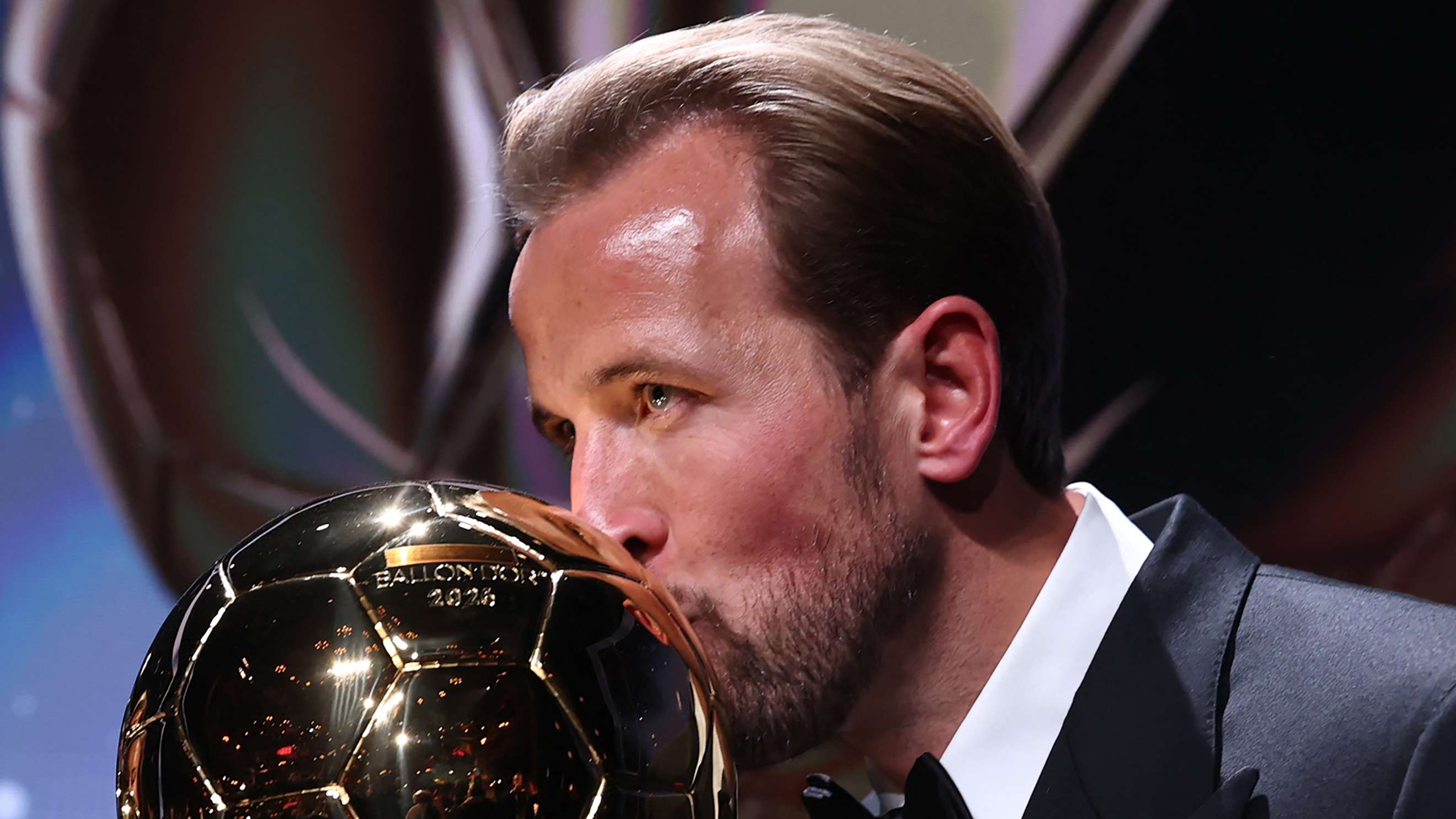
Another Ballon d’Or announcement was also reported in the supplied account: Harry Kane was described as the 2026 winner, receiving the award at a ceremony in London. That detail places the BOAT discussion within a broader conversation about football’s changing generations, as established icons continue to be measured against the stars leading the sport today.
Ultimately, Ronaldo’s 2008 victory in the BOAT vote is both a tribute to a defining season and a reminder of how football memories are made. His first Ballon d’Or established him among the game’s elite; the latest fan poll suggests that, nearly two decades later, that breakthrough still resonates with supporters around the world.