
Harry Kane’s Bayern Munich Transfer: Why the Ballon d’Or Won’t Trigger an Extra Payment
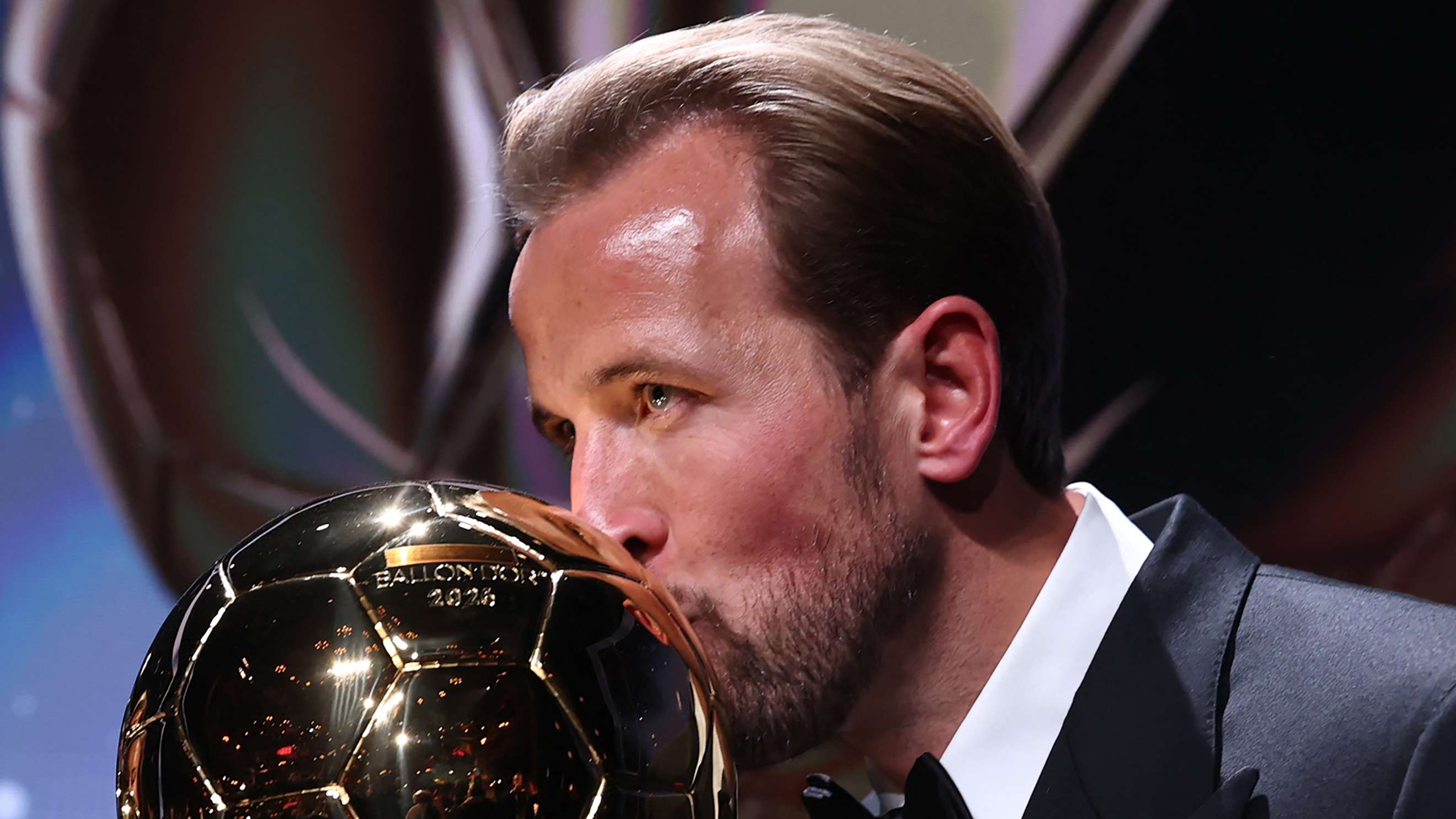
Harry Kane’s reported Ballon d’Or triumph has prompted a familiar question in modern football: does a player’s individual success also bring a substantial bonus for his club’s former transfer partner? In this case, the answer is no. Despite the scale of Kane’s move from Tottenham Hotspur to Bayern Munich, the agreement reportedly contains no additional payment linked specifically to winning the sport’s most prestigious individual award.
That detail is an unexpected twist in one of the most closely watched transfer deals of recent years. Kane joined Bayern in 2023 for a fee reported at around €100 million, ending his long spell at Tottenham and beginning a new chapter in Germany. With the England captain reaching the summit of the individual awards, speculation quickly turned to whether the achievement would activate another clause in the transfer contract.
No Ballon d’Or Bonus in Kane’s Transfer Agreement
According to Sky Sport, Bayern do not owe Tottenham an extra fee because Kane won the Ballon d’Or. The report suggests that, while the agreement included conditional payments connected to sporting success, the individual award was not among the triggers. For Bayern, that means the headline-making achievement does not automatically add another bill to the cost of signing their star striker.
Transfer agreements often contain more than a fixed fee. Clubs may negotiate add-ons that become payable when a player reaches a certain number of appearances, scores a specified number of goals, or helps his team qualify for a major competition. These provisions can protect the selling club’s interests while allowing the buying side to spread some of the financial risk over time.
Individual awards can also feature in negotiations, particularly when a player is regarded as a leading candidate for honours such as the Ballon d’Or. But every transfer contract is different. In Kane’s case, the available reporting indicates that the award itself was not included as a condition for an extra payment to Tottenham.
What Bonuses Are Reportedly Included?
The absence of a Ballon d’Or clause does not mean Kane’s transfer agreement contains no performance-related incentives. The reported add-ons are linked to team achievements, including domestic trophies and success in European competition. Bayern’s targets include honours such as the Bundesliga and the German Cup, alongside the UEFA Champions League.
That structure reflects a common approach in elite football. A club may be more willing to pay additional fees when a signing contributes to collective success, because trophies can bring sporting prestige, commercial growth and prize money. Winning the Champions League, for example, can strengthen a club’s global profile and generate significant income through competition rewards, sponsorship and increased audience interest.
By contrast, an individual prize is not always a straightforward measure of a transfer’s value to the selling club. A Ballon d’Or winner may have delivered outstanding performances, but the award is decided through voting and can reflect a player’s influence across an entire season. Clubs therefore negotiate carefully over which achievements should trigger financial bonuses.
A Major Individual Honour—and a Transfer-Market Talking Point
Kane’s reported victory followed a closely contested race against Kylian Mbappé. The English forward was said to have prevailed by a narrow margin after the contest remained uncertain until late in the voting process. The result would mark the first Ballon d’Or of Kane’s career, adding an individual milestone to a move that already attracted enormous attention.
The award also underlines the contrast between personal recognition and team objectives. Kane’s reputation has long been built on his finishing, movement and ability to create opportunities for teammates. At Bayern, his role is not limited to scoring: he is expected to lead the attack, help the club compete for major honours and deliver consistently in domestic and European matches.
For supporters, the contract detail offers a useful reminder that transfer fees reported in the media do not always tell the whole story. The final cost of a signing can depend on appearances, results and agreed achievements. A headline figure may be only the guaranteed portion, while add-ons can increase the total if specific conditions are met. Conversely, a major personal accolade may have no financial consequence between the clubs if it was never written into the deal.
Why Conditional Bonuses Matter in Football
Conditional bonuses have become a familiar feature of the football transfer market. They can help bridge the gap between a buying club’s valuation and a selling club’s demands. Tottenham, for example, may have been able to negotiate additional compensation based on Bayern’s success, while Bayern could avoid paying every possible amount upfront.
Such clauses can also shape how a transfer is discussed long after the player has moved. Fans often see reports of a large fee and later wonder whether a trophy, goal total or award will increase the cost. The answer depends on private contractual terms, which are not always made public in full. Reports about Kane’s agreement provide one specific example: team trophies are reportedly relevant, but the Ballon d’Or is not.
For Bayern, the distinction keeps the focus on what the club can pursue together. Kane’s individual recognition may enhance his standing and add to the story of his career, but the reported financial incentives are tied to collective milestones. The Bundesliga title, the German Cup and the Champions League remain the kinds of achievements that could carry consequences under the agreement.
What Happens Next for Kane and Bayern?
The broader prediction for Bayern will naturally centre on whether Kane can turn individual excellence into silverware. A prolific striker can transform an attack, but success in knockout football depends on more than one player. Squad depth, defensive consistency, injuries and performances in decisive matches all influence a club’s chances of lifting major trophies.
For Kane, the reported Ballon d’Or success would be another landmark in a career defined by goals and leadership. For Bayern, it brings recognition without the extra transfer payment that many observers expected. The story is a reminder that in modern football, a player’s greatest personal achievement does not necessarily activate a bonus. When it comes to transfer contracts, the decisive details are the ones written into the agreement—not the assumptions made after the final vote.