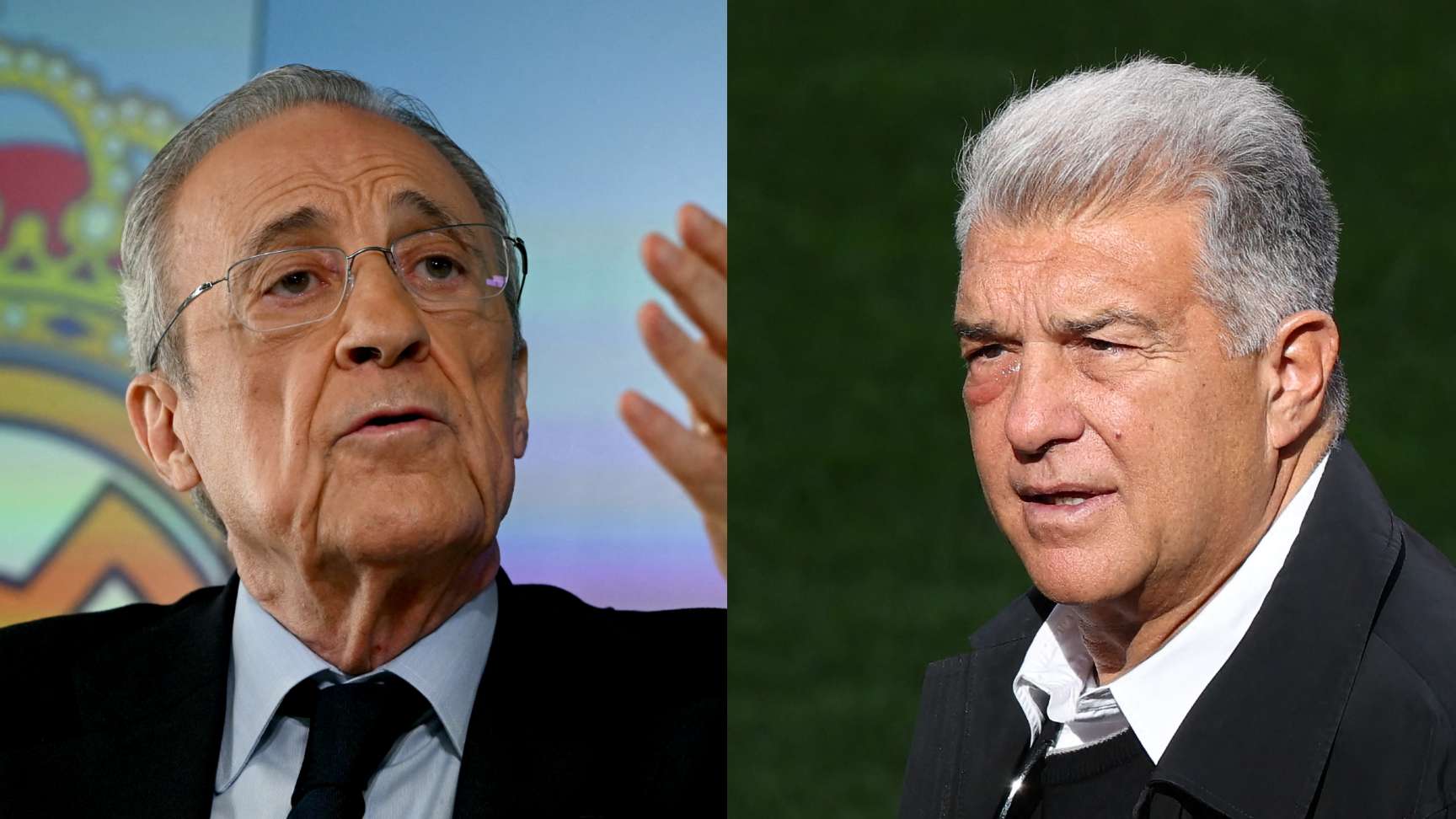

Javier Tebas Faces Possible Disciplinary Review After Real Madrid Remarks
The long-running dispute between La Liga president Javier Tebas and Real Madrid has taken a more serious turn. Spain’s Higher Sports Council (CSD) has referred comments made by Tebas to the Administrative Court for Sport (TAD), asking the independent body to assess whether they could amount to a serious breach of the country’s Sports Law.
The controversy centers on a post Tebas published on X, in which he criticized Real Madrid’s media strategy and compared it with propaganda methods associated with Joseph Goebbels, Nazi Germany’s minister of propaganda. The reference prompted a strong reaction and raised questions about the boundaries of public criticism in football, particularly when it comes from one of the sport’s most influential officials.
The CSD’s referral does not mean Tebas has been found guilty of misconduct. Instead, it begins a formal assessment of whether the remarks meet the legal threshold for disciplinary action. The TAD will now consider the matter independently and determine whether further proceedings are justified.
How the Dispute Reached the Sports Court
According to the Catalan newspaper Sport, the CSD announced on Thursday that it had submitted a formal request to the TAD. The council acted on its own initiative, using its legal authority to examine conduct that may affect standards within Spanish sport.
The incident began the previous Friday, when Tebas used his X account to criticize the way Real Madrid communicates with the public. His comparison to Goebbels quickly became the central issue, overshadowing the underlying disagreement about the club’s media approach.
References to Nazi figures are particularly sensitive because they carry a weight far beyond ordinary sporting criticism. In a football environment where club officials, league executives and supporters regularly clash over governance, broadcasting, refereeing and public messaging, the choice of language can intensify an existing dispute and shift attention from policy disagreements to personal conduct.
The CSD’s decision to refer the matter reflects that concern. Rather than issuing a verdict itself, the council has asked the body responsible for sports discipline to decide whether the comments warrant scrutiny under the law.
What Spanish Sports Law Says
The referral reportedly relies on Article 76, paragraph four, clause “b” of Spain’s Sports Law No. 10/1990. The provision identifies certain public and manifest acts that may damage sporting dignity or decorum as serious offences.
In its submission, the CSD also referred to earlier decisions by the TAD and rulings from Spain’s Supreme Court. Those precedents have connected sporting dignity and decorum with the need to preserve a respectful, civilised environment across the sporting community. The principle is especially relevant when statements are made by people holding senior positions and carrying significant influence.
That does not mean every harsh criticism of a club, player or governing body is automatically a disciplinary offence. The court will need to assess the specific wording, the context in which it was used, the public nature of the post and the responsibilities attached to Tebas’s roles. Those factors may help determine whether the comments fall within protected criticism or cross a line established by sports regulations.
No Finding Has Been Made Against Tebas
The CSD has emphasized that the TAD operates independently. A referral is a request for examination, not a prior conviction or a declaration that Tebas has committed an offence. The court must review the evidence and decide whether the legal conditions for disciplinary action are met.
That distinction is important as the case develops. Depending on its assessment, the TAD could decide that the matter should proceed, or it could conclude that the available grounds do not justify a sanction. Any outcome would depend on the applicable rules and the court’s interpretation of the facts.
For now, the process adds a legal dimension to the public conflict between Tebas and Real Madrid. It also places renewed attention on how senior football figures communicate online, where a single post can travel quickly, trigger a response from institutions and become part of a formal disciplinary review.
Why the Case Matters for Spanish Football
The dispute comes amid broader tensions in Spanish football over influence, public relations and the relationship between clubs and league leadership. Real Madrid and Tebas have repeatedly found themselves on opposing sides of major debates, making the latest episode part of a wider pattern of friction rather than an isolated exchange.
For clubs and officials, the case may serve as a reminder that social media statements can have consequences beyond immediate public backlash. Leaders in football often speak to supporters, journalists and commercial partners at the same time. Their words can shape debate across the sport, but they may also attract regulatory attention when they are considered inconsistent with expected standards of conduct.
The outcome could therefore be watched well beyond Madrid and Barcelona. A decision may help clarify how Spanish sports authorities apply rules on dignity and decorum to public comments by senior administrators. It could also influence how future disputes are handled when criticism becomes personal or invokes historically charged comparisons.
What Happens Next?
The TAD will examine the CSD’s request and determine whether the case merits further disciplinary steps. Until that review is complete, it would be premature to predict whether Tebas will face a penalty. The legal question is not simply whether the comparison caused offence, but whether the remarks meet the specific standards set by Spanish sports legislation and relevant precedent.
For football followers, the episode is another reminder that disputes away from the pitch can have a significant impact on the sport’s public image. The next development will come from the court’s assessment, not from speculation about the final outcome. Until then, the prediction remains uncertain: the referral raises the possibility of sanctions, but it does not establish that any sanction will follow.