
Bangladesh Expect Afghanistan to Seek Spin-Friendly Pitches in UAE Tri-Series
Bangladesh wicketkeeper-batter Nurul Hasan believes Afghanistan could make spin a central part of their strategy when the teams meet in the upcoming ODI tri-series in the United Arab Emirates. With Rashid Khan and several other specialist spinners returning to Afghanistan’s one-day setup, Nurul expects the hosts to look for conditions that help their strongest bowling weapon.
The tournament, which also features Zimbabwe, begins in Abu Dhabi on October 17. For Bangladesh, it offers an early opportunity to test their one-day plans and build momentum ahead of two major competitions: the Asia Cup and the ODI World Cup. Nurul says his side will be aiming not merely to compete, but to reach the final and win the trophy.
Afghanistan’s ODI Attack Could Be Very Different
Afghanistan’s bowling combination in the ongoing one-off Test has leaned heavily towards pace. Mohammad Saleem, Yamin Ahmadzai and Ismat Alam have shared the new-ball duties, while Ziaur Rahman and Qais Ahmad have been the specialist spin options in the XI. That balance, however, may change once the focus shifts to limited-overs cricket.
Rashid Khan, Mohammad Nabi, AM Ghazanfar and Nangyali Khan have all been named in Afghanistan’s 15-player squad for the tri-series. Their presence gives the team a range of spin options, from experienced international operators to younger bowlers who can offer variation. In the shorter format, Afghanistan may be more inclined to use that depth and build a bowling plan around controlling the middle overs.
“I think they will try to back their strong zone, and their spin attack is good,” Nurul told reporters at the airport before Bangladesh’s departure for the UAE. He added that Afghanistan could seek “a little bit more spinning wicket” for the ODI matches.
Pitch conditions are likely to be an important part of the conversation throughout the series. UAE surfaces can vary, but slower conditions may reward bowlers who change their pace, vary their flight and target the stumps. For batters, that can mean adjusting quickly: rotating the strike, choosing attacking options carefully and avoiding the temptation to force shots against a turning ball.
Aliss Al Islam Offers Bangladesh a Mystery-Spin Option
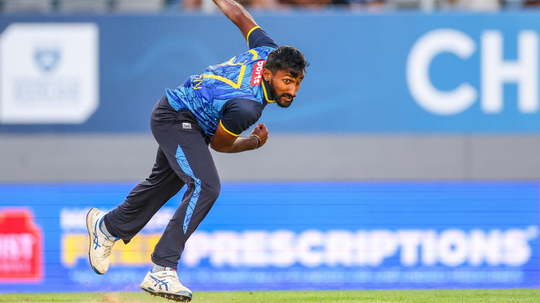
Bangladesh will also have a point of difference in their own bowling attack, with mystery spinner Aliss Al Islam among the players Nurul believes could make an impact. The wicketkeeper-batter said Aliss has performed consistently and that his unusual variations could give Bangladesh an advantage away from home.
“Having a mystery spinner like that when we play abroad” can be valuable, Nurul said, noting that many international teams have bowlers who are difficult to read. In a tri-series, that kind of uncertainty can matter: batters have limited time to study unfamiliar opponents, while a bowler who disguises changes in pace or direction can disrupt a settled approach.
Aliss’s role could be especially significant if pitches offer assistance to spin. He may be asked to contain runs, create pressure during the middle overs or attack when batters try to accelerate. His effectiveness will depend not only on his variations but also on how well Bangladesh’s fielding and bowling plans support him.
Bangladesh Target a Final and a Confidence Boost
Nurul set an ambitious goal for Bangladesh, saying the team should aim to play as a unit, reach the final and become champions. The tri-series provides more than a chance to claim silverware: it is also an opportunity to build confidence and sharpen combinations before the Asia Cup and the ODI World Cup.
Success in a multi-team tournament can help a squad identify what works under pressure. Bangladesh will be able to assess how their batters handle spin, how their bowlers manage different phases of an innings and which combinations are best suited to conditions in the region. Those lessons could prove useful in the larger tournaments to come.
Nurul’s emphasis on playing together also reflects the importance of collective execution in one-day cricket. A strong individual performance can influence a match, but consistency across batting, bowling and fielding is often what separates a contender from a champion. Bangladesh will need partnerships at the crease, disciplined spells with the ball and sharp work in the field if they are to meet their stated ambition.
UAE Heat Will Test Preparation, Not Resolve
The UAE’s heat is another factor Bangladesh must manage. Players arriving from Dhaka will need to adapt to the temperature, stay hydrated and recover carefully between training sessions and matches. Heat can affect concentration and stamina, particularly during long innings or extended spells in the field.
Nurul, however, said the conditions would apply to both sides and should not become an excuse. “It’s a little hot, but I think it’ll be equal for both teams,” he said, adding that Bangladesh would do their best to adjust with the resources and preparation available.
That approach will be important in a compact tournament, where there may be little time to recover from a demanding game. Managing energy, using substitutes and maintaining focus late in an innings could all contribute to results as much as technical skill.
Tri-Series Prediction: Spin Could Shape the Contest
Any prediction for the tournament will depend on how the pitches behave, but spin appears likely to be a major storyline. Afghanistan’s experienced options give them a clear strength, while Bangladesh will look to counter with their own spin resources, including Aliss. Zimbabwe, meanwhile, add another competitive challenge and could complicate the race for a place in the final.
Bangladesh’s ODI squad members left Dhaka for the UAE on Tuesday, where they will join players already involved in the Test against Afghanistan and prepare for the tri-series. The opening match is scheduled for October 17 in Abu Dhabi. If Nurul’s assessment proves accurate, the teams may face surfaces that reward patience, smart shot selection and tactical bowling changes.
For Bangladesh, the task is to turn preparation into results. A strong showing would deliver more than a promising tournament prediction: it would provide practical experience against quality spin and a timely lift before the Asia Cup and the ODI World Cup.