
Chess.com Launches Classic in Open Beta, Bringing 10 Beloved Games Online
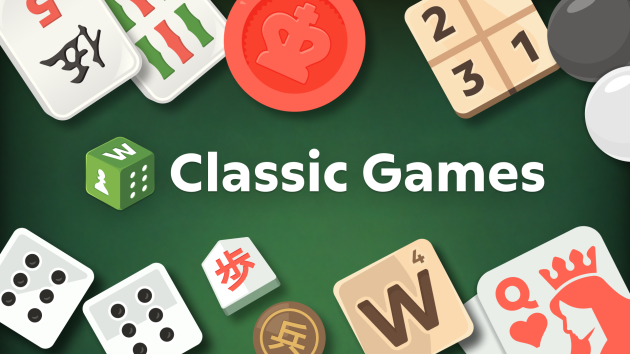
Chess.com is expanding beyond the chessboard with the open beta of Classic, a new online platform for playing and learning a collection of traditional games. The service brings together 10 familiar favorites—from sudoku and solitaire to Go, mahjong, and checkers—in an accessible format designed for both experienced players and curious newcomers.
Classic is built with the approachable look and feel associated with Chess.com. Players can compete against other people, practice with bots, explore different game variations, and follow guided lessons. The platform is still in beta, so users may encounter occasional bugs or unfinished features. Early players can help improve the experience by sharing feedback and reporting problems through the Classic community on Discord.
How to Get Started With Classic
Classic is available through its website and dedicated apps for iOS and Android. Players can create a free account or sign in using their existing Chess.com credentials, making it easy for current members to try the new platform without starting from scratch.
After choosing a game, players can select Play Now to jump into a match. Depending on the game, Classic offers options such as playing against a human opponent or a computer-controlled bot, choosing a difficulty level, selecting a Go board size, or picking a preferred mahjong ruleset. Solitaire players can also choose from several popular formats.
Explore Classic’s 10 Games
The collection spans board games, card games, word challenges, and solo puzzles. It includes chess-adjacent strategy games as well as options for players who want something more relaxed or puzzle-focused.
Backgammon
Backgammon is a two-player race that combines strategic decisions with the roll of the dice. Each player moves 15 checkers around the board and aims to remove all of them first—a process known as “bearing off.” Players must balance progress with blocking and protecting their pieces, making every turn a mix of planning and chance.
Checkers
Played on an 8-by-8 board, checkers challenges two opponents to capture or immobilize each other’s pieces. Checkers move diagonally and take opposing pieces by jumping over them. Reaching the far side of the board crowns a piece, allowing it to move backward and giving players new tactical possibilities.
Go
Go is an ancient abstract strategy game in which players place black and white stones on a grid. The aim is to claim territory by surrounding open areas while also capturing opposing stones. Its rules are simple to learn, but the game offers remarkable strategic depth. Classic lets players choose from different board sizes, which can make it easier for beginners to get started.
Hearts
Hearts is a four-player card game played with a standard 52-card deck. Players generally try to avoid taking hearts and the queen of spades, since these cards add penalty points. The lowest score wins, so careful card management and reading opponents’ choices are essential.
Mahjong
Classic offers three mahjong variations: Sichuan, Hong Kong, and American rules. In these tile-based games, players draw and discard tiles to assemble a winning hand of sets and pairs. Because rules and scoring can differ substantially between versions, players can choose the format that best suits their experience or interests.
Shogi
Often described as Japanese chess, shogi is played on a 9-by-9 board. Its distinctive feature is that captured pieces can be returned to the board under the capturing player’s control. This keeps the game dynamic and creates opportunities to build new attacks. As in chess, the objective is to checkmate the opponent’s king.
Solitaire
For solo play, Classic includes Klondike, FreeCell, and Spider. These versions ask players to organize cards into sequences and build suit-based foundation piles, though each has different rules and strategic demands. Solitaire is a convenient choice for a quick break or a longer puzzle-solving session.
Sudoku
Sudoku is a number-placement puzzle played on a 9-by-9 grid divided into nine smaller boxes. Players fill the empty cells with digits from one to nine, ensuring that no number appears more than once in any row, column, or 3-by-3 box. The challenge comes from using logic rather than arithmetic to uncover each solution.
Word
Word is a tile-based game for two to four players, played on a 15-by-15 grid. Players use letter tiles to create interlocking words, earning points based on each letter’s value and the board’s special scoring squares. Strong vocabulary helps, but placement and the ability to make the most of premium squares can be just as important.
Xiangqi
Xiangqi, or Chinese chess, is played on a 9-by-10 board divided by a river. The river affects how certain pieces move, while other pieces have restrictions tied to their positions on the board. The goal is to checkmate the opposing general. Players familiar with chess may recognize the broad objective, but Xiangqi’s board and rules create a distinct strategic experience.
Learn the Rules and Improve Your Strategy
Players who are new to a game can select Learn How for step-by-step instruction from a virtual coach. Lessons introduce the essential rules, explain how pieces or cards work, and build toward more advanced ideas. Each lesson includes a chance to practice, and the coach can offer hints when a player gets stuck.
This teaching approach makes Classic more than a place to start matches. It gives beginners a guided route into games that may otherwise seem unfamiliar, while offering returning players a way to refresh their knowledge or sharpen their tactics. Chess players, in particular, may enjoy comparing the different forms of strategy found in shogi and Xiangqi, where familiar ideas meet new rules and board layouts.
Daily Puzzles Bring the Community Together
Classic also adds a fresh challenge every day in four games: sudoku, mahjong, word, and solitaire. Everyone receives the same daily puzzle, creating a shared test for the wider player community. After completing a word or mahjong challenge, players can compare their results with those of other participants.
Daily puzzles offer a simple reason to return, whether players have a few minutes for a quick brain teaser or want to track their progress over time. The shared format also turns a solo activity into a friendly community competition.
Try Classic and Help Shape Its Future
Classic gives players a single place to discover traditional games, learn their rules, and compete online. Its open beta invites Chess.com members and new users alike to explore the collection while the platform continues to develop. As with any beta release, some features may change and occasional issues may arise—but player feedback can help guide future improvements.
Visit Classic online or download the iOS or Android app, sign in with a Chess.com account, and choose a game to begin. Whether you’re a seasoned Go player, a sudoku fan, a chess enthusiast curious about Xiangqi, or simply looking for a new pastime, Classic offers plenty to explore. Players can share their favorite games and suggestions with the community on Discord.