
Nahida Akter Named Bangladesh’s New T20I Captain
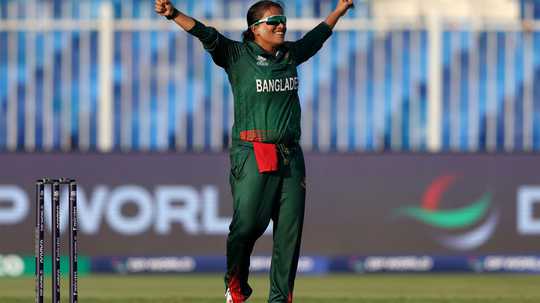
Bangladesh have appointed left-arm spinner Nahida Akter as their new women’s T20I captain, marking a fresh leadership chapter for the national side. The Bangladesh Cricket Board (BCB) confirmed the decision on Sunday, with Sobhana Mostary named vice-captain. Nahida succeeds Nigar Sultana, who has stepped down from the T20I role but will continue to lead the team in one-day internationals.
The change follows Sultana’s decision to relinquish the shortest-format captaincy after the Asian Games. She is understood to have wanted to devote more attention to her own performances, while continuing to serve Bangladesh as ODI skipper. The transition gives the BCB an opportunity to place a long-serving member of the leadership group at the centre of its T20 plans.
A natural step for an experienced deputy
Nahida had served as Sultana’s vice-captain since the wicketkeeper-batter took charge of the T20I team in 2022. BCB women’s wing chairman Rafiqul Islam said the board reached its decision after discussions with members of the selection panel and other officials.
“We sat with members of the selection panel along with others and decided to hand over the T20I captaincy to Nahida. Sobhana Mostary will be her deputy,” Rafiqul told Cricbuzz on Sunday. He added that Nahida’s experience as vice-captain made the timing right for her to take on the full responsibility of leading the squad.
That continuity could be valuable for a team seeking to build consistency in a demanding international format. A captain who already understands the group’s routines, strengths and challenges can make the transition smoother, particularly when the side is preparing for a new competition. Nahida’s task will be to turn that familiarity into clear plans and confident performances.
Leadership change, with Sultana remaining in the ODI role
Sultana’s departure from the T20I captaincy does not signal a complete break from leadership. She remains Bangladesh’s ODI captain and led the side during its recent three-match tour of Australia. Keeping her in that position gives the team stability in the 50-over format while allowing Nahida to establish her own approach in T20 cricket.
The BCB was reportedly surprised by Sultana’s decision. It has also been reported that she was disappointed with how she had been treated by the board in recent times. While the circumstances behind the change have not been fully detailed publicly, the appointment points to a practical division of responsibilities: Nahida will guide the T20I side, while Sultana continues to lead the ODI team.
Such format-specific leadership can help a national programme respond to the different demands of each game. T20 cricket calls for rapid tactical decisions, flexible batting plans and frequent adjustments to bowling match-ups. One-day cricket, by contrast, often rewards longer-term planning across innings and a different balance between risk and control. Having separate captains may allow Bangladesh to tailor its leadership to those needs.
What Nahida’s appointment could mean for Bangladesh
Nahida’s background as a left-arm spinner gives her a close view of one of the key tactical areas in T20 cricket: how to manage overs, match-ups and pressure through the middle of an innings. As captain, she will need to combine that specialist perspective with a broader understanding of field settings, bowling changes and the demands placed on the batting order.
The appointment also offers an opportunity for Bangladesh to strengthen its decision-making under pressure. T20 matches can turn quickly, and captains often have only a few overs to respond when a batter changes tempo or a partnership begins to grow. Nahida’s experience within the leadership group should help, but the role will also require her to communicate plans clearly and make timely adjustments against different opponents.
Mostary’s elevation to vice-captain adds another important layer to the new structure. A deputy can provide support during matches, help maintain communication across the squad and step in when the captain is occupied with tactical decisions. The pairing will be watched closely as Bangladesh begins its next phase of T20I cricket.
Emerging Nations Trophy provides an early test
Bangladesh’s next scheduled assignment is the ICC Women’s Emerging Nations Trophy in Thailand. The team is set to begin its campaign against Pakistan on November 12, giving Nahida an immediate opportunity to put her leadership plans into practice. The tournament will offer a competitive setting in which the new captain can assess combinations, build confidence and establish expectations for the group.
For supporters following the fixture, any cricket prediction ahead of the Pakistan match will naturally depend on team selection, recent form and conditions in Thailand. But the captaincy change adds a separate storyline: Bangladesh will be looking not only for a strong result, but also for signs that the new leadership partnership is taking shape. Early decisions around batting order, bowling allocation and field placements may offer clues about the team’s direction.
The Emerging Nations Trophy could also provide valuable experience for players seeking to secure regular places in the senior setup. A tournament environment gives the captain and coaching staff a chance to evaluate how individuals respond to pressure, changing match situations and the responsibilities of representing Bangladesh. For Nahida, balancing the immediate goal of winning games with the longer-term aim of developing a reliable T20 combination will be central.
A new chapter for Bangladesh women’s T20 cricket
Nahida’s appointment is a significant moment for Bangladesh, but it is also a measured transition rather than a wholesale overhaul. She has already spent several years as vice-captain, Sultana remains in charge of the ODI side, and Mostary will support the new T20I skipper. That structure gives the team a blend of continuity and change as it prepares for its next international challenge.
The most important test will be how effectively the new leadership turns preparation into performance. Bangladesh will need disciplined bowling, adaptable batting and calm decision-making when matches become tight. With the Emerging Nations Trophy approaching, Nahida’s first outings as captain will provide an early indication of how she intends to shape the team’s cricket and how quickly the squad can settle into its new leadership arrangement.