
Taskin Ahmed Says Bangladesh Must Improve Batting Consistency After Zimbabwe Defeat
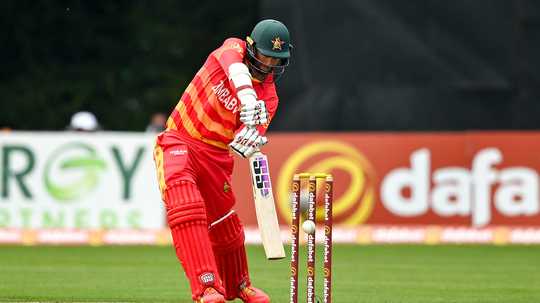
Bangladesh fast bowler Taskin Ahmed has described the team’s batting collapse against Zimbabwe as a missed opportunity, saying a target of 272 was within reach on a good surface at Abu Dhabi’s Sheikh Zayed Cricket Stadium. His comments followed Bangladesh’s 99-run loss in the opening match of the tri-nation ODI series, a result that leaves the side needing a strong response against Afghanistan.
Zimbabwe made 271 before Bangladesh were bowled out for 172 in 33.4 overs. The defeat was especially frustrating for the visitors because their bowlers had kept the opposition to a total Taskin believed was manageable. Bangladesh’s chase began with promise, but the innings unravelled before the team could build the partnerships needed to stay in contention.
“One Partnership Could Have Changed the Game”
Taskin, who claimed three wickets, said Bangladesh had enough time and batting resources to pursue the target. He did not point to the pitch or the absence of a key player as reasons for the result. Instead, he focused on the team’s failure to make the most of its opportunities.
“270 was definitely chaseable, at least against Zimbabwe,” Taskin told reporters after the match. He said Bangladesh needed only one substantial partnership to put pressure on the opposition, but repeated mistakes prevented the batters from settling into the chase.
The loss continued a troubling pattern: Bangladesh have now failed to chase a target of 240 or more in eight of their last 10 innings batting second. That record highlights a broader challenge than one poor performance. A successful ODI chase requires players to judge the required rate, preserve wickets and adjust their approach as conditions change. Bangladesh’s quick loss of wickets made those tasks increasingly difficult.
Promising Bowling, But No Batting Recovery
Taskin acknowledged that Bangladesh’s bowling had shown some improvement in consistency, but said that progress counted for little without a complete team performance. In limited-overs cricket, a competitive bowling display must be followed by a composed response with the bat. Against Zimbabwe, Bangladesh were unable to turn the work of their bowlers into a winning total.
The defeat also came in Towhid Hridoy’s first match as Bangladesh’s full-time ODI captain. The batting group had already been weakened by Litton Das’s withdrawal from the tournament with a right hip joint injury. However, Taskin declined to use Litton’s absence as an excuse, stressing that the players who took the field had the responsibility to deliver.
That stance offers a clear message ahead of Bangladesh’s next fixture: the team cannot rely on one individual to solve its problems. It needs several batters to contribute, particularly when a chase becomes demanding. A settled middle order and clearer decisions under pressure could help prevent the kind of rapid collapse that turned a reachable target into a heavy defeat.
Game Awareness and Consistency Are Key Concerns
Taskin said Bangladesh’s players have the ability to perform, but must show greater consistency and awareness of the match situation. In his view, the issue is not simply a lack of batting skill. Rather, the team needs to make better choices when pressure builds and avoid allowing a few setbacks to trigger a wider collapse.
“Everyone has the skill,” Taskin said, noting that Bangladesh’s batters have already shown they can play well. He added that the side sometimes loses too many wickets quickly when the pressure is on, an area the players must address if they hope to compete consistently against strong opponents.
That distinction matters in ODI cricket. A batter may need to change gears depending on wickets in hand, the required run rate and the bowlers available. A team with good technique can still fall short if players misread those conditions or take unnecessary risks at the wrong time. Bangladesh’s challenge is to turn individual ability into a more reliable collective approach.
Taskin said the team was working together to find solutions and hoped the players could correct their mistakes quickly. He also emphasised that improvement must come across the squad, not just from the batting unit. Bowling, batting and overall teamwork all contribute to results, and isolated individual performances cannot compensate for weaknesses elsewhere.
Pressure on Bangladesh to Respond Against Afghanistan
Bangladesh’s next match is against Afghanistan on October 21. With a place in the tri-nation final still a possibility, the fixture gives the team an immediate chance to recover and restore confidence. Taskin said the players would aim to fight back, while recognising that missing out on the final could affect the team’s morale.
The match will also provide an early test of whether Bangladesh can apply the lessons from the Zimbabwe game. A more measured start, stronger partnerships and smarter decisions in the middle overs could help the side build a more competitive innings. For the bowlers, maintaining the consistency Taskin identified will be just as important.
For fans following the series, the Afghanistan match is likely to attract interest not only for its tournament implications but also for the questions it raises about Bangladesh’s form. Any cricket prediction for the fixture will need to account for the team’s recent struggles while chasing, as well as its capacity to respond after a disappointing result. Bangladesh have the talent to compete, but the Zimbabwe defeat showed that potential must be matched by discipline and execution.
A Reality Check for the Team
Bangladesh have not won a bilateral series away from home since defeating Ireland in Chelmsford in 2023. Asked whether that record was a concern, Taskin called the Zimbabwe loss a reality check rather than focusing on the statistic alone. He said the team must improve as a unit and treat the result as evidence of areas that need attention.
His comments underline the scale of the task facing Bangladesh. The team must develop a steadier response when batting second, build partnerships under pressure and ensure that improvements in one department are supported by the others. The defeat to Zimbabwe was costly, but the remaining group match gives Bangladesh an opportunity to show that it can learn quickly. A convincing performance against Afghanistan would not erase the concerns, but it could provide a much-needed boost and keep the team’s hopes of reaching the final alive.