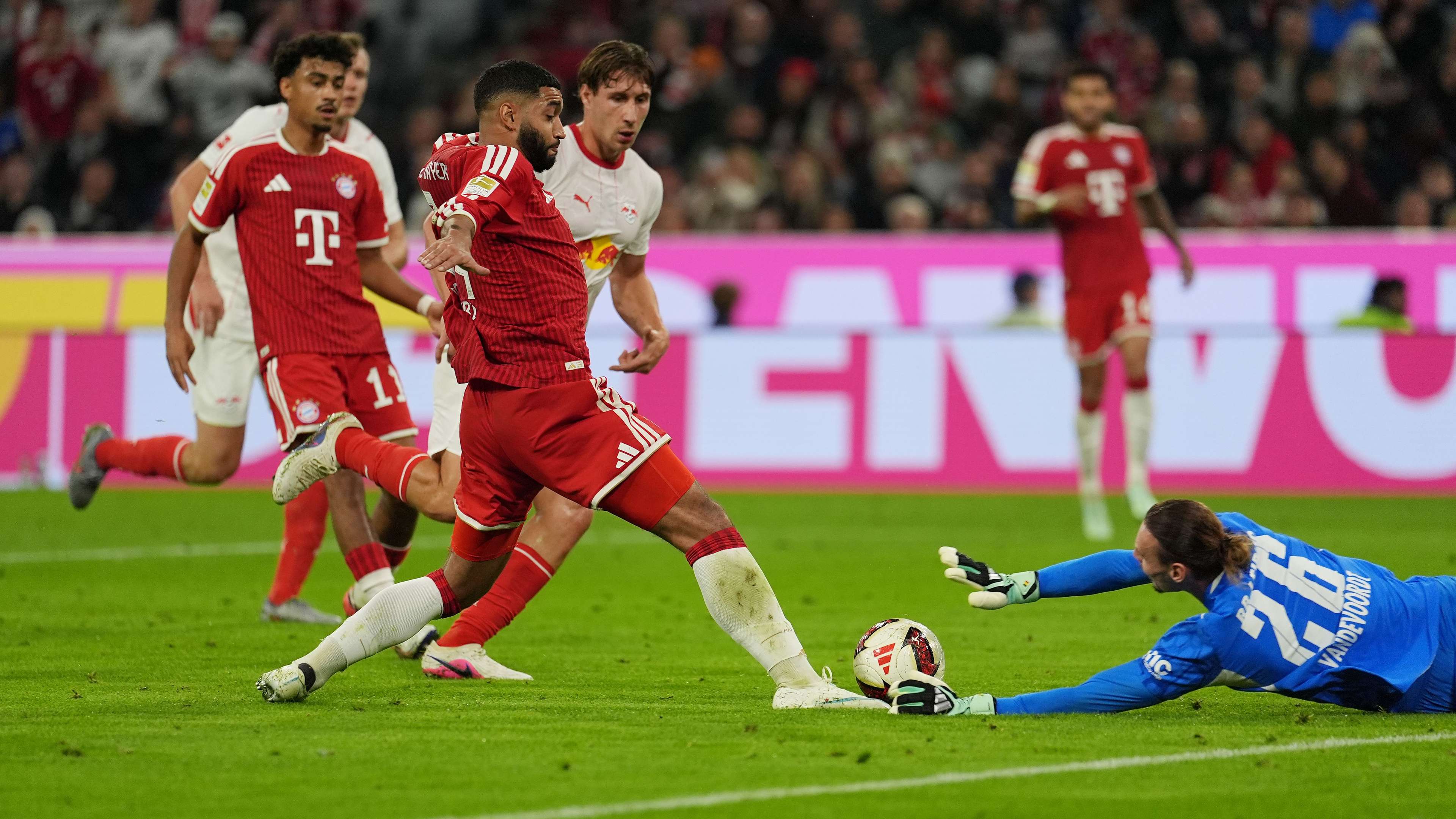

Bradley Barcola Adjusts to the Relentless Pace of English Football
Bradley Barcola has offered a candid glimpse into the physical challenge of adapting to English football, explaining that the demanding pace of his early appearances left him struggling with cramps. The Liverpool winger, formerly of Paris Saint-Germain, said the Premier League’s constant movement and rapid transitions felt markedly different from the more measured, tactical rhythm he experienced in Ligue 1.
His comments underline a familiar reality for players arriving in England: technical ability is only part of the adjustment. The Premier League asks wide attackers to contribute repeatedly at both ends of the pitch, sprinting forward to create chances and then recovering quickly to help defend. For Barcola, learning to manage that workload has been an important part of settling into a new football environment.
Why the Premier League’s Pace Can Be a Shock
English football is often described as fast, but the difference is not simply about how quickly the ball moves. Matches can swing from one penalty area to the other in a matter of seconds, with teams pressing aggressively, counter-attacking at speed and demanding that players react immediately when possession changes. A winger may be asked to make a forward run, press a defender, track an overlapping full-back and then repeat the sequence moments later.
That box-to-box intensity can be especially demanding for wide players. Barcola’s role requires sharp acceleration and repeated high-speed efforts, whether he is stretching the opposition’s defence, carrying the ball into space or closing down an opponent near his own area. Cramps during his first appearances were therefore a sign of how taxing the match rhythm could be—not necessarily a reflection of poor preparation or a lack of fitness.
Even well-conditioned professionals can find that a new league places different demands on their bodies. Training may prepare a player for running and sprinting, but the pattern of exertion varies from competition to competition. Frequent changes of direction, short recovery periods and repeated bursts of speed can make the Premier League’s workload feel unusually intense during the first weeks or months.
Barcola’s Ligue 1 Background and a Different Match Rhythm
Barcola’s comparison with Ligue 1 highlights a difference in style rather than a simple claim that one competition is more difficult than another. French football also features athletic players, high-quality teams and physically demanding contests. However, matches can place greater emphasis on tactical organisation, controlled possession and carefully chosen moments to accelerate.
In England, the transition from defence to attack can be more immediate. A team that wins the ball may look to move forward before the opposition has time to reset, while the side that loses possession is expected to press or retreat without delay. That approach creates an end-to-end feel, increasing the number of demanding runs players must make across a game.
For a winger, the contrast can be particularly noticeable. In a more controlled match, there may be longer spells in which the team circulates possession and the wide player can choose when to attack space. In a high-tempo contest, those opportunities can arrive with less warning. The player must be ready to sprint, make a decision and then recover for the next phase almost immediately.
The Physical and Tactical Work of a Modern Winger
Barcola’s experience also reflects how the modern winger’s job has evolved. Wide attackers are no longer judged only by goals, assists and dribbling. Coaches increasingly expect them to contribute to the team’s defensive structure, press intelligently and provide an outlet during counter-attacks. The position demands a combination of speed, stamina, awareness and discipline.
At Liverpool, the expectations placed on a winger are shaped by the team’s broader approach. Wide players need to offer width, attack one-on-one situations and make runs behind the defensive line. They may also be required to support the full-back, help close passing lanes and respond quickly when the opponent tries to play through the flanks. Those responsibilities can add up over 90 minutes.
Barcola’s ability to adapt will depend on more than simply increasing his running capacity. He will also need to learn when to conserve energy, how to time his pressing runs and where to position himself so that he can influence the game without making unnecessary sprints. Better familiarity with teammates and tactical patterns can make those decisions more efficient, helping a player spend his energy at the moments that matter most.
Why Adaptation Takes Time
Moving between leagues involves a period of adjustment that can be difficult to measure from the outside. Supporters may focus on a player’s first few performances, but adapting to a new competition often requires changes to training routines, recovery habits and match preparation. Players must also become accustomed to different refereeing patterns, opponents’ physical approaches and the speed at which space disappears.
For Barcola, the early cramps may provide useful feedback. Sports scientists and coaching staff can monitor his workload, hydration and recovery while assessing how he responds to the demands of regular competition. The aim is not simply to run more, but to help him sustain his explosive qualities throughout a match and across a demanding schedule.
As his understanding of the Premier League develops, he may become more economical with his movement. A well-timed run can be more effective than several unnecessary ones, while improved coordination with teammates can reduce the need to chase loose situations. These small gains can help transform a difficult physical adjustment into a competitive advantage.
What Barcola’s Comments Could Mean for Liverpool
Barcola’s remarks are a reminder that even talented, experienced footballers can face a steep learning curve when they enter a new environment. His honesty also offers a useful perspective for Liverpool supporters assessing his progress. Early physical discomfort does not automatically predict how a player will perform over the long term; it can be part of the process of adapting to a different pace and style.
If Barcola becomes comfortable with the league’s demands, his speed and directness could make him a valuable attacking option. A winger who can beat defenders, threaten space behind the back line and maintain his intensity late in matches gives Liverpool another way to stretch opponents. His contribution may grow as he builds match fitness and develops a stronger understanding of the team’s pressing and attacking patterns.
Football Prediction: A Promising Adjustment Period
Any football prediction about Barcola’s impact should account for both his obvious attacking qualities and the time needed to adapt. The early signs of fatigue do not erase his potential; instead, they highlight the physical challenge he is working to overcome. If he continues to improve his conditioning, decision-making and tactical understanding, he could become increasingly influential as the season progresses.
The broader lesson is that success in English football depends on more than talent alone. Players must adapt to a relentless cycle of pressing, recovery and transition, while maintaining the sharpness needed to make a difference in the final third. Barcola’s comments show how demanding that process can be—and why patience, smart workload management and tactical familiarity are essential to turning promise into consistent performance.