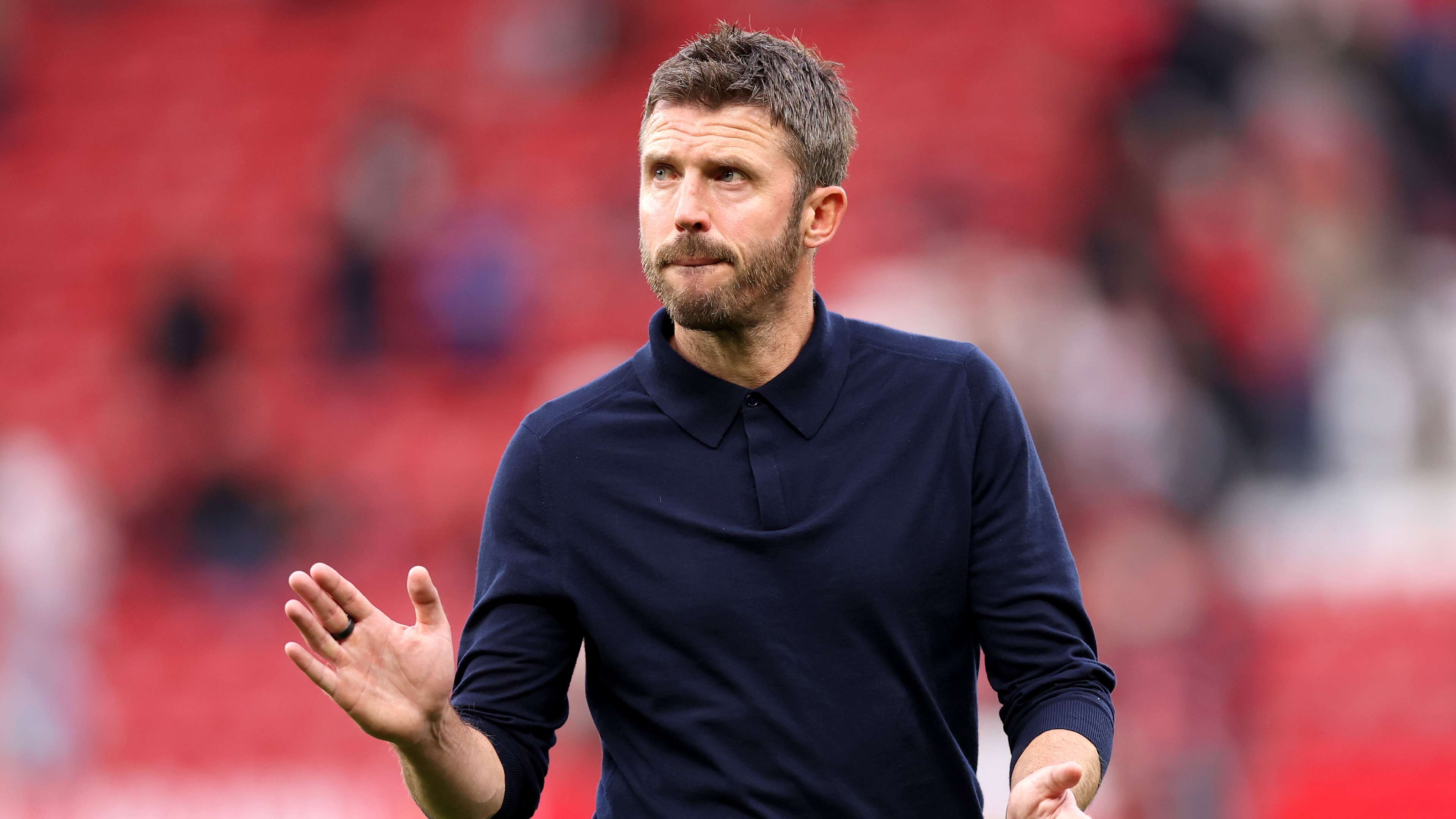

Michael Carrick Signals Manchester United Could Strengthen Squad in January
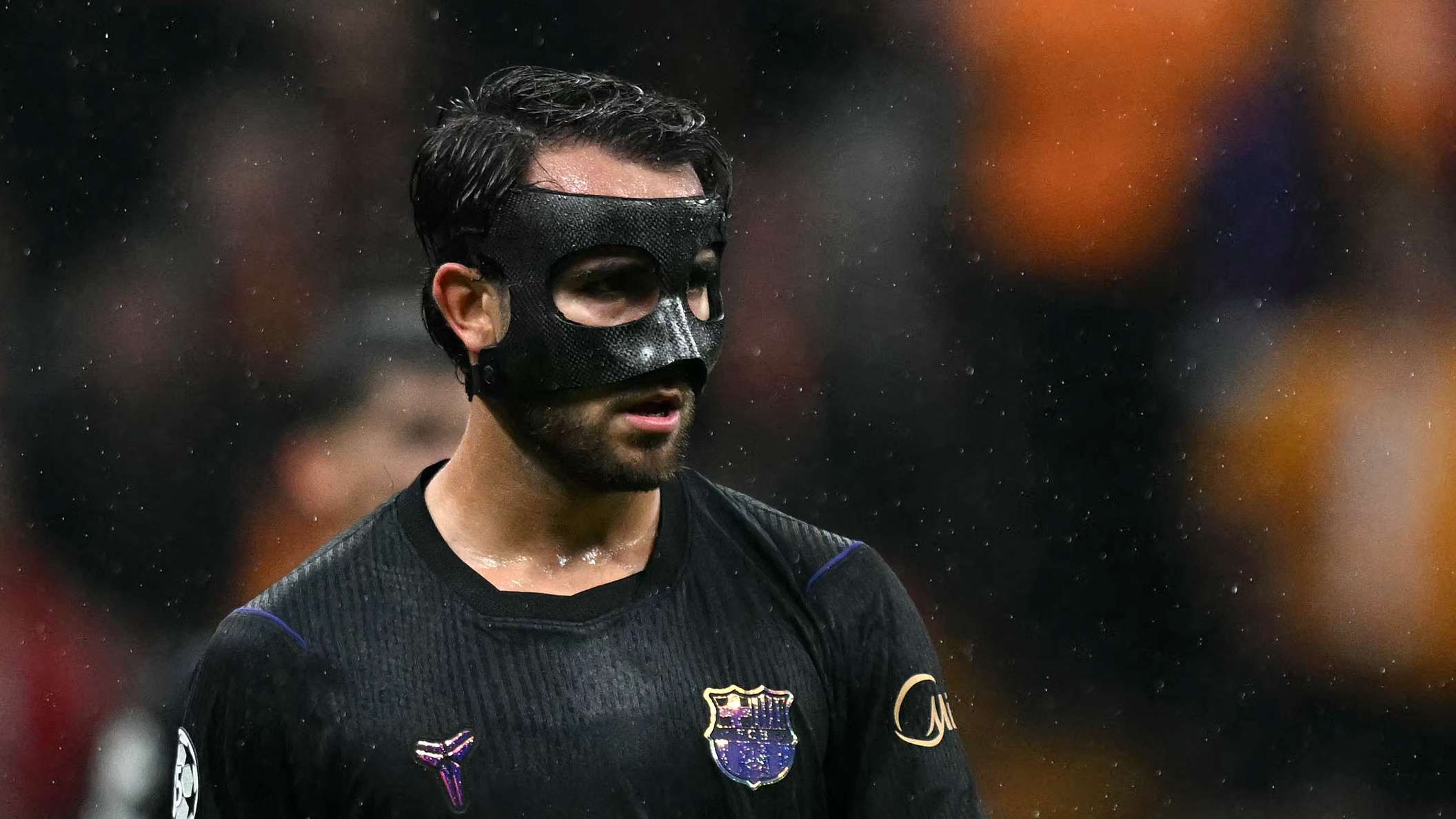
Manchester United head coach Michael Carrick has indicated that the club may look to add reinforcements during the January transfer window, raising expectations that the team could act to address weaknesses in a squad that has struggled for consistency. His comments come at a sensitive moment for United, following a disappointing European defeat and public criticism from defender Lisandro Martinez about the quality of support available to the players.
While Carrick did not confirm specific targets or promise a major spending spree, his remarks suggest that the club’s recruitment plans remain active. For supporters, the possibility of January arrivals offers a reason for cautious optimism. However, any new signing will need to fit the team’s tactical needs and make an immediate contribution—a difficult task in the middle of a demanding season.
Martinez’s Frustration Adds Pressure to United’s Recruitment Plans
Martinez’s comments have brought renewed attention to a concern that has followed Manchester United through several transfer windows: whether the squad has enough depth and quality to compete across multiple competitions. The defender’s frustration, voiced after a disappointing result in Europe, reflects the pressure experienced by players when performances fall short of expectations.
Public criticism from a senior member of the squad can sharpen the debate around recruitment, but it does not necessarily mean that the club will respond with a series of expensive signings. January is traditionally a challenging time to complete deals. Clubs are often reluctant to sell important players halfway through a campaign, while competition for proven talent can push prices higher than they might be in the summer.
United will therefore need to weigh immediate needs against longer-term planning. A rushed signing may bring short-term attention without solving the underlying problem. The club’s challenge is to identify players who can improve the team now while also making sense within a sustainable recruitment strategy.
Why the January Window Could Matter
The winter transfer window can be particularly important for teams whose ambitions are threatened by inconsistent form, injuries or a lack of options in key positions. New arrivals can provide competition, cover and fresh energy, giving a head coach more ways to respond when the original plan is not working.
For Carrick, the value of reinforcements would depend on more than a player’s reputation. United need additions who can adapt quickly to the pace and physical demands of English football, understand the team’s pressing and defensive responsibilities, and perform under the scrutiny that comes with playing at Old Trafford. A technically gifted player who cannot settle into the system may offer less than a less celebrated recruit who fits the role precisely.
Squad depth also matters over the course of a long season. A team can look competitive when its first-choice players are available, then lose momentum when injuries or suspensions force changes. Stronger alternatives in defence, midfield or attack can help maintain standards and reduce the burden on key players. That is especially relevant when domestic fixtures overlap with European commitments.
What Carrick’s Comments May Mean for United
Carrick’s suggestion that United could be active in January should be viewed as a signal of intent rather than confirmation that deals are guaranteed. Transfer decisions typically involve the head coach, recruitment staff and club leadership, with financial considerations and player availability shaping what is possible. Even when a need is clear, a suitable target may not be available at the right price.
The timing of the comments is nevertheless significant. Coming after Martinez’s public expression of frustration, they indicate that concerns about squad quality are difficult to ignore. The coach will want to keep the dressing room focused while also reassuring supporters that the club understands where improvements may be required. The balance is delicate: talk of transfers can raise expectations, but excessive promises can create further disappointment if negotiations fail.
United’s recruitment team may also have to consider departures alongside arrivals. A new signing could be easier to accommodate if the club moves on players who are not central to the plan, while a crowded squad can limit opportunities for younger footballers. The most effective January business is often targeted rather than dramatic, with one or two well-chosen moves capable of improving balance more than a larger number of short-term additions.
Key Areas United May Need to Assess
Without a confirmed list of targets, it would be premature to predict exactly which positions Manchester United will prioritise. The European defeat and Martinez’s comments have, however, renewed discussion about whether the squad has enough dependable options to cope with pressure in every area of the pitch.
Defensive depth is one possible focus. Injuries, changes in form and the demands of a high defensive line can expose a team if it lacks reliable alternatives. Midfield is another area worth monitoring, particularly if United need greater control, stronger protection for the back line or more consistent progression of the ball. In attack, additional creativity or a dependable source of goals could help turn narrow defeats and draws into positive results.
These are considerations, not confirmed transfer plans. Carrick and the club will have to judge where the biggest gap exists and whether a January signing can realistically address it. The best solution might be a player who improves how the team functions collectively, rather than a high-profile name recruited mainly to satisfy public demand.
Prediction: Cautious Activity Is More Likely Than a Major Overhaul
Prediction: Manchester United are likely to explore the January market, but a focused approach appears more realistic than a complete squad overhaul. The club could pursue a player who fills a clear need, particularly if the right opportunity emerges, while keeping broader recruitment plans for the summer window.
That prediction depends on several factors, including available funds, the club’s position in the league, injury developments and whether potential selling clubs are willing to negotiate. A disappointing European result may increase the urgency, but it cannot remove the practical challenges of mid-season transfers. United will also need to consider how quickly any newcomer could adapt and whether the move supports the team’s wider direction.
For supporters, the coming weeks will be about separating genuine recruitment signals from speculation. Carrick’s comments have opened the door to the possibility of new arrivals, while Martinez’s frustration has underlined the stakes. If United act decisively and recruit players suited to the team’s needs, January could provide a valuable boost. If no suitable deals are available, patience and clear planning may be preferable to signing players who offer little lasting improvement.
A Defining Period for Manchester United
Manchester United’s response to this difficult spell will involve more than transfers. The coaching staff must find ways to improve performances with the players already available, while the squad needs to show greater consistency and resilience. New signings can help, but they cannot guarantee better results without clear tactics, strong communication and collective effort.
Carrick’s willingness to discuss possible January activity gives fans a glimpse of the club’s thinking, but the real test will come in the quality of its decisions. United need recruitment that addresses specific weaknesses, strengthens competition for places and supports a coherent long-term plan. With pressure building after the European setback, the January window could become an important opportunity to reinforce the squad—and a meaningful test of whether the club can turn criticism into progress.