
Real Madrid’s Clásico win hints at a new Mourinho blueprint
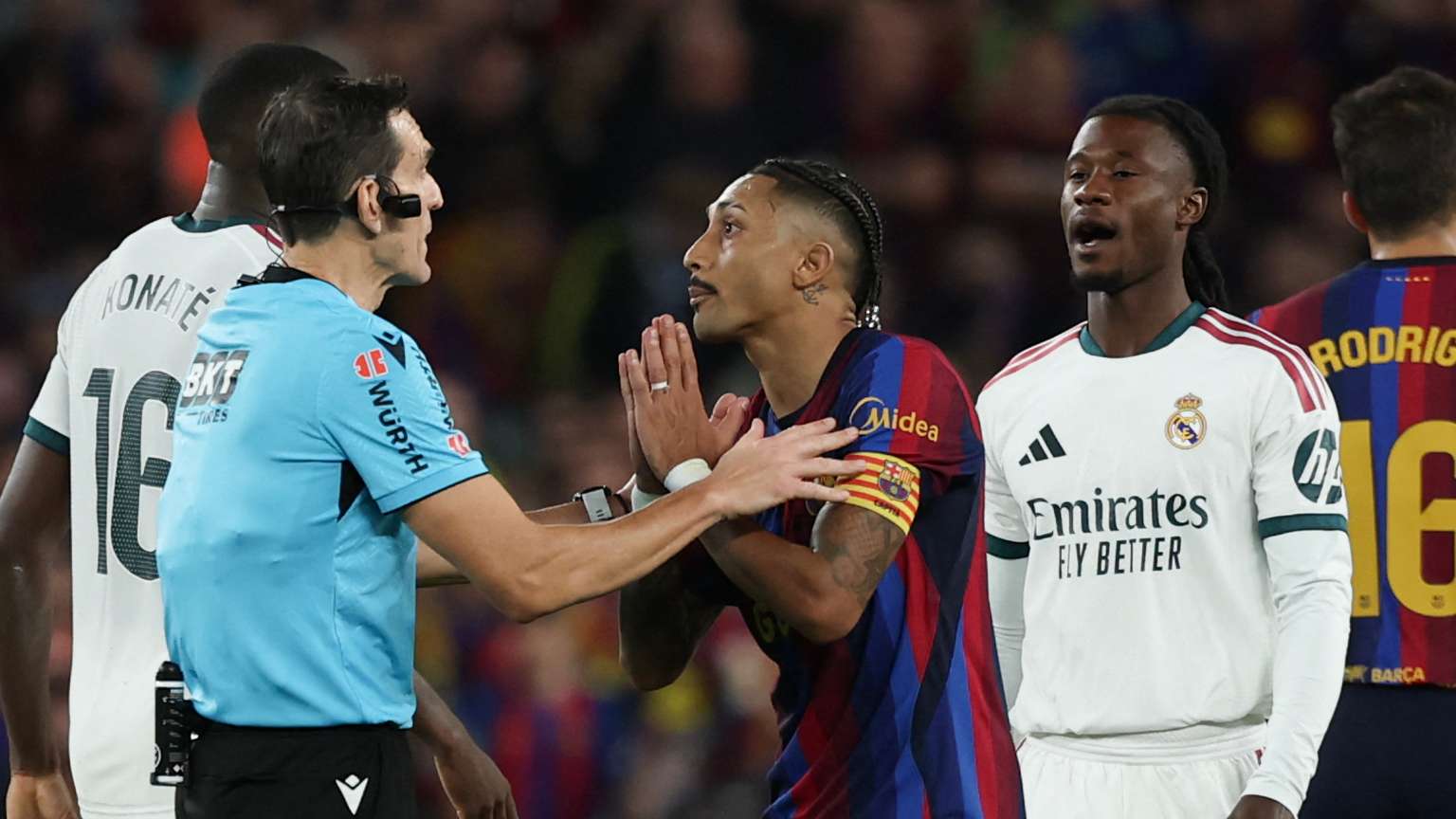
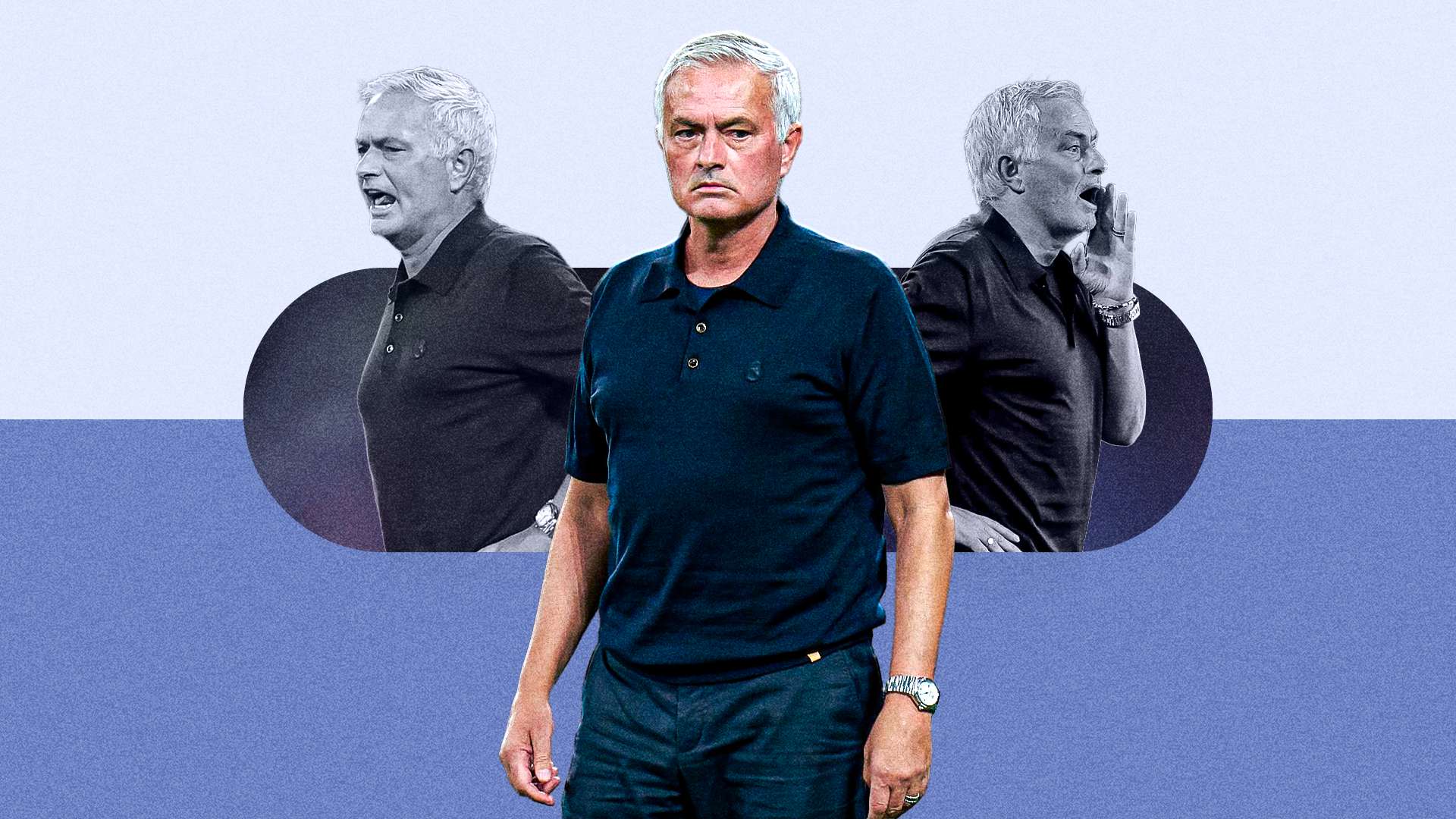
Real Madrid’s 2-1 victory over Barcelona at Camp Nou delivered more than three valuable La Liga points. It offered an early glimpse of a team taking shape under José Mourinho: more balanced in possession, more disciplined without the ball and increasingly willing to put collective needs ahead of individual preferences.
The result may prove a turning point in Mourinho’s second spell at the Santiago Bernabéu. Madrid arrived with questions over their form and tactical identity, while Barcelona were widely expected to extend their strong run. Instead, the visitors controlled key phases of the contest and showed composure when the match became tense. Kylian Mbappé’s late winner settled the score, but the deeper story was the coach’s series of decisions in the weeks leading up to the Clásico.
Those choices have involved repositioning Federico Valverde, giving Arda Güler greater creative responsibility and managing Vinícius Júnior’s dip in form without allowing it to destabilise the dressing room. Together, they suggest Mourinho is building a clearer framework for Madrid’s football — though one result alone cannot prove that the transformation will last.
Valverde’s sacrifice gives Madrid tactical balance
Valverde is most comfortable in midfield, and he has previously made clear that playing at right-back is not his preferred role. Yet Madrid’s needs have brought the Uruguayan back into the position, where his energy, strength and willingness to cover ground can solve several problems at once.
Carlo Ancelotti used Valverde at right-back during the 2024–25 season, while Xabi Alonso also explored the option before the player was returned to midfield under Álvaro Arbeloa. Mourinho initially appeared reluctant to use him there too. But injuries, squad balance and the demands of particular fixtures have changed the calculation.
Valverde has increasingly featured at right-back, including in matches against Villarreal, Roma, Sevilla, Leipzig and Barcelona. Madrid won all five, strengthening the case for the adjustment. His value in the role is not limited to defending: he can push forward, support attacks and help Madrid control the right flank. His movement also creates room for a more creative presence in midfield.
The trade-off is that specialist right-backs such as Trent Alexander-Arnold and Denzel Dumfries may find their opportunities limited. Their arrivals raised expectations, but Mourinho appears focused on the combination that best serves the team in each match. Alexander-Arnold, in particular, is understood to remain committed to establishing himself at Madrid. Competition for places is inevitable at a club with such depth, and Valverde’s versatility gives the coach another way to shape the side.
Güler emerges as a key source of creativity
Another important development has been Güler’s growing influence. Mourinho has repeatedly praised the Turkish midfielder’s vision and ability to identify attacking openings. The challenge has been finding him a role that allows those qualities to flourish without weakening Madrid’s overall structure.
In a 4-2-3-1 system, Güler can operate on the right of the attacking line, but he is most dangerous when allowed to drift into deeper areas and help build attacks. Valverde’s deployment at right-back can provide cover behind him, while the presence of Yan Diomande on the left gives Madrid a different kind of width and penetration.
The Clásico offered a persuasive example of Güler’s contribution. He threatened Barcelona early, sent a dangerous effort just over the bar and delivered a clever outside-of-the-boot cross that created a shooting chance for Mbappé. He also helped construct the move that led to the winning goal, finding Eduardo Camavinga with a precise pass before the attack developed further.
Güler finished the match with three shots on target — more than any Madrid teammate — and created two chances. Those figures underline his growing importance, but his broader value lies in giving Madrid another route through the opposition. Rather than relying only on pace out wide or individual moments from their forwards, the team can use his passing to connect midfield and attack.
Mourinho handles the Vinícius question with care
Vinícius has been one of Mourinho’s most sensitive challenges. The Brazilian’s relationship with Alonso had become a prominent issue, particularly after substitutions and periods on the bench led to visible frustration. Mourinho took a different approach at the start of the campaign, publicly backing Vinícius and treating him as a central part of the project.
That support continued through the renewal of the winger’s contract until 2032. However, confidence from the coach did not mean Vinícius would be immune from competition. His early-season return — one goal and three assists in his first 11 matches — fell short of his usual influence, and Mourinho responded by reducing his minutes when performances demanded it.
Vinícius was substituted early in several matches and was left out of the starting line-up against Villarreal. The decisions came as some supporters voiced their frustration, but Mourinho avoided turning the situation into a public confrontation. That distinction matters: he has maintained the player’s standing while making clear that selection depends on form and the team’s needs.
Diomande’s emergence on the left has added a genuine alternative in Vinícius’s preferred position. The competition may help Madrid, provided it is managed constructively. For Vinícius, the task is to regain consistency; for Mourinho, it is to restore the Brazilian’s best football without compromising the balance that has begun to develop.
A Clásico victory built on more than a late goal
Mourinho was keen to stress that Madrid’s win was not simply a product of luck or defensive resistance. His team followed a plan, stayed composed after Barcelona equalised through Raphinha in the 60th minute and continued to look for ways to control the match. Mbappé’s 87th-minute goal decided the contest, but Madrid’s performance had been shaped by coordinated work across the pitch.
Mbappé and Jude Bellingham contributed to the collective effort, while Camavinga produced an influential display after a difficult spell. That willingness from high-profile players to work within the system is one of the clearest signs of Mourinho’s authority. Madrid looked less dependent on a dramatic comeback or a single moment of individual brilliance than they have at times in recent seasons.
There are reasons to remain cautious. Barcelona may not have been at their sharpest, and one Clásico cannot settle questions about Madrid’s consistency. The team must now reproduce its focus against less glamorous opponents, where intensity can be harder to sustain. A fixture such as the trip to Racing Santander will test whether the discipline seen at Camp Nou is becoming a habit rather than a response to a major occasion.
What the result means for Madrid’s season
For supporters following the title race, the Clásico has strengthened Madrid’s position and offered encouraging signs about the team’s direction. Any football prediction about the longer-term impact should still be measured: injuries, fixture congestion and the form of key players will shape what happens next. But Mourinho’s early decisions have given Madrid more tactical options and appear to have improved the connection between the coach’s plan and the players’ roles.
Valverde’s flexibility, Güler’s creativity and Mourinho’s careful handling of Vinícius all point to a more adaptable side. The coach has not solved every problem, nor has one victory guaranteed a lasting revival. The real measure will be whether Madrid can carry the same discipline into ordinary league matches and maintain it through the demands of the season.
Beating Barcelona may be the starting point. Turning that performance into a repeatable standard — and building a team that can win through structure as well as star power — is the challenge that will define Mourinho’s return.