
Manolo Lama Raises Concerns Over Pedri’s Fitness After Barcelona’s Difficult Run
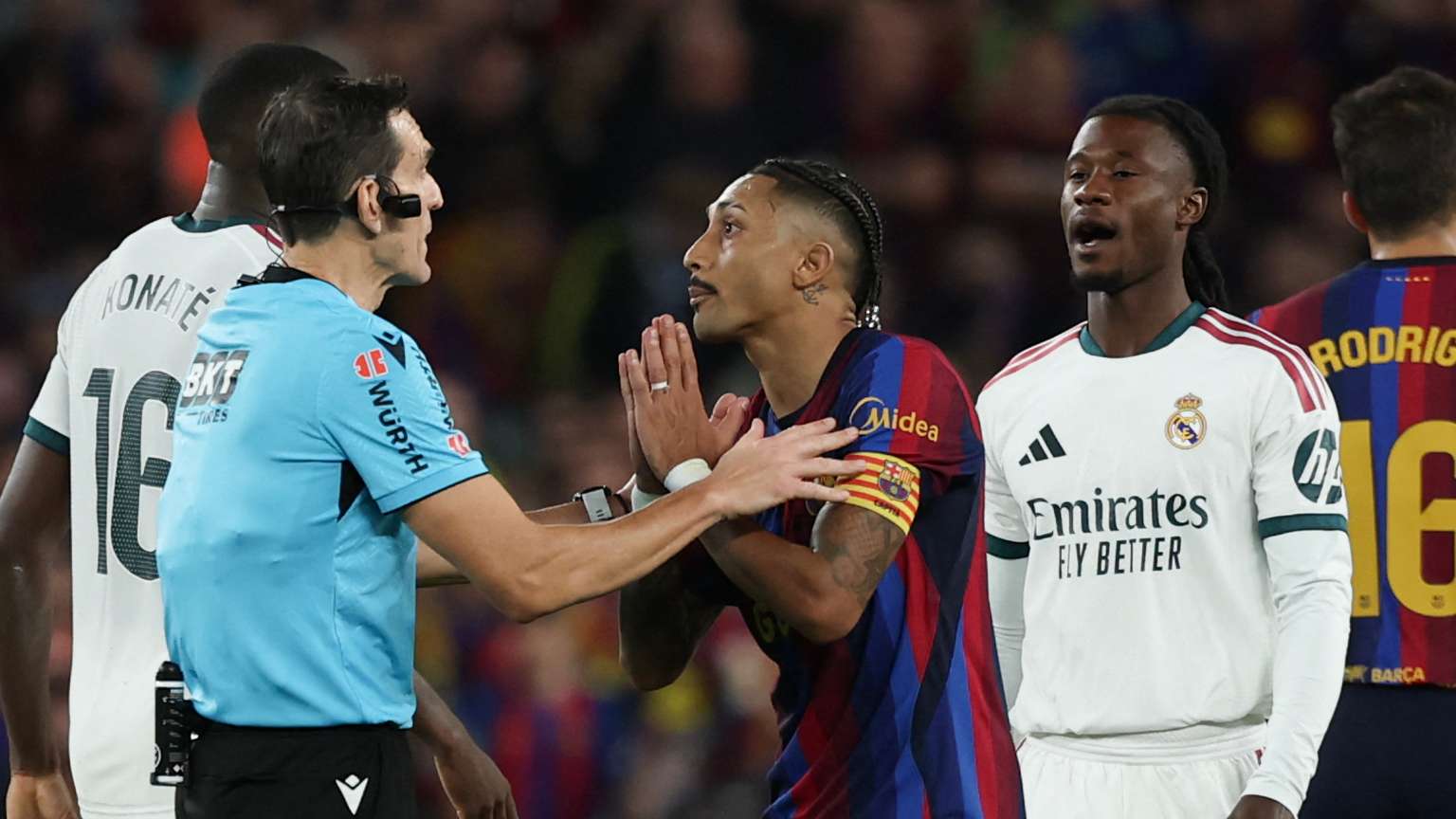
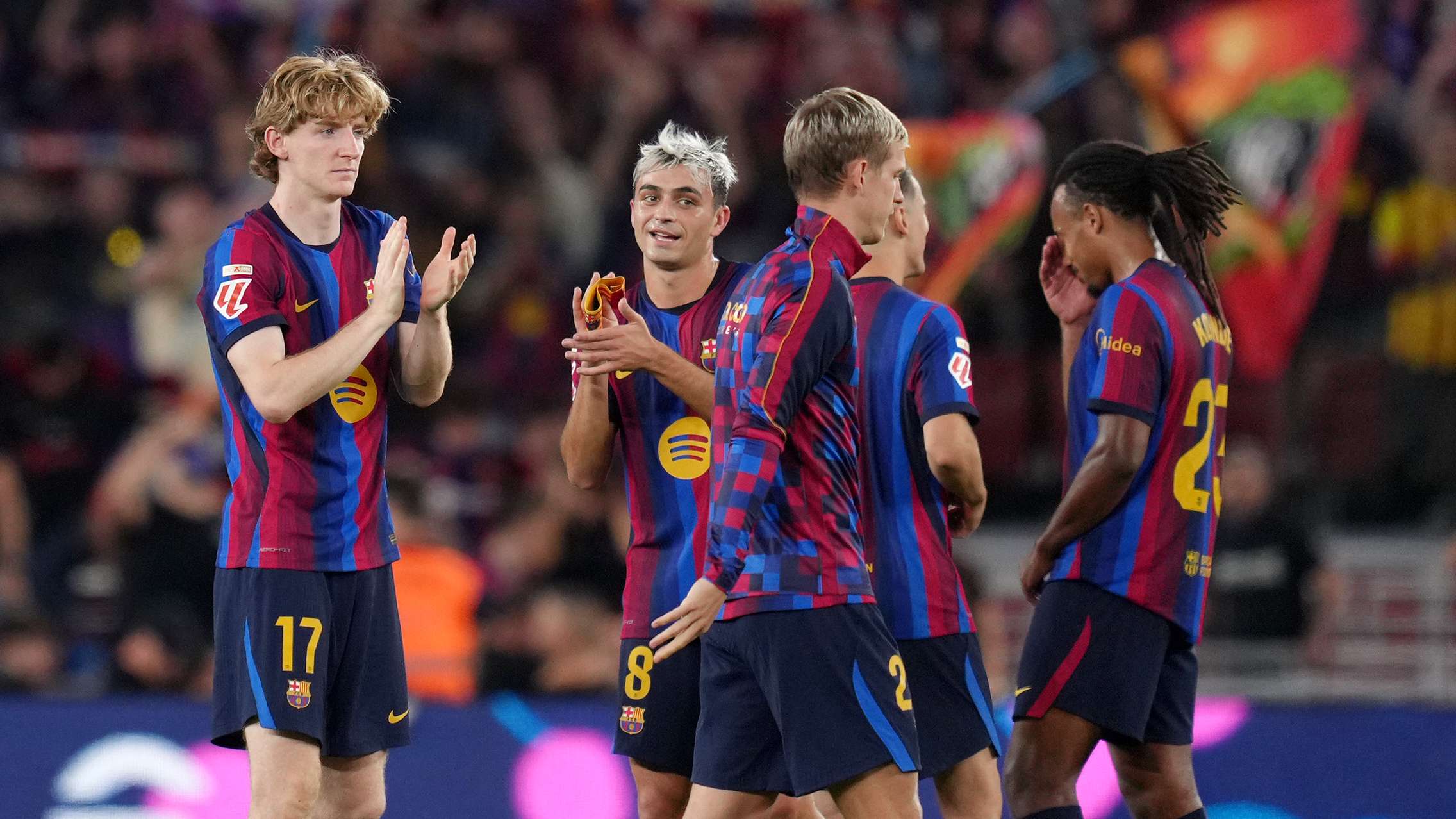
Barcelona are looking to put a challenging spell behind them, but questions are growing over the form and fitness of midfielder Pedri. After defeats to Paris Saint-Germain in the Champions League and Real Madrid in La Liga, the Spanish international has come under scrutiny from pundits, including Cadena COPE journalist Manolo Lama.
The attention now turns to Barcelona’s next league fixture, an away match against Deportivo Alavés. It offers the team a chance to respond on the pitch, while also giving Pedri an opportunity to show that he can regain the sharpness and influence that have made him one of the club’s most important players.
Lama questions Pedri’s physical condition
According to Sport, Lama believes Pedri has not been operating at his best physically. The journalist argued that elite performance depends on reaching a high level of fitness, particularly for a midfielder expected to cover ground, dictate possession and contribute throughout a demanding match.
“To be a top-class player, you have to be at the peak of your physical level,” Lama said. He suggested that Pedri’s condition may be affecting the quality of his work on the ball, including the accuracy of his passing. For a player whose game relies on quick decisions and precise distribution, even a modest drop in sharpness can have a noticeable impact.
Lama also described Pedri as appearing tired unusually early in matches. In his view, the midfielder can look short of energy after the opening ten minutes, with the effects becoming more apparent as the game progresses. That assessment is particularly relevant to Barcelona’s recent setbacks, when the team needed its midfielders to maintain intensity under pressure.
Fatigue can affect decision-making as well as movement
Lama’s criticism was not limited to running or stamina. He argued that fatigue can influence a player’s thinking, too. When a footballer’s legs slow down, the mind may struggle to keep pace, making it harder to scan the field, choose the right option and execute a pass before opponents close in.
That is a significant concern for Pedri because his value is not measured only in goals or assists. He often helps Barcelona progress the ball through tight spaces, connect defence with attack and control the rhythm of possession. If he is unable to move freely or process situations at his usual speed, the team can lose an important source of composure and creativity.
Lama compared the broader effects of fatigue with those seen in another highly regarded La Liga midfielder, Pablo Barrios. The comparison was about how tiredness can disrupt a player’s overall performance, rather than suggesting that the two footballers have identical roles or circumstances. In both cases, reduced energy may affect movement, timing and decision-making.
Pedri’s role at Barcelona remains a point of debate
Juanma Castaño, presenter of Cadena COPE’s El Partidazo, brought up another moment in Pedri’s career: the midfielder’s loss of a starting place during the World Cup. Castaño nevertheless sees Barcelona’s situation as different. He believes Pedri’s regular contribution and importance to the club make it less likely that he would be sidelined in the same way.
That distinction reflects the balance Barcelona must strike. Pedri is a central figure in the side, but his status cannot remove the need to manage his workload carefully. A player returning from, or dealing with, physical strain may benefit from adjusted minutes, additional recovery or a tactical role that reduces unnecessary demands. Whether any such measures are needed will depend on the club’s assessment of his condition.
For supporters, the immediate question is how Barcelona can restore consistency after two high-profile defeats. The answer is unlikely to rest on one player alone. Better coordination, stronger defensive control and more effective transitions will all matter. Still, Pedri’s ability to influence possession could be crucial if Barcelona are to re-establish their usual rhythm.
Miguel Rico points to Bernardo Silva
Journalist Miguel Rico offered a different explanation for Pedri’s performance against Real Madrid. He argued that the midfielder’s difficulty had a specific name: Bernardo Silva. Rico praised the Manchester City player’s experience, quality and ability to remain strong in demanding moments, suggesting that his presence was a decisive factor in the contest.
The comment highlights how individual match-ups can shape major fixtures. A technically gifted opponent who presses intelligently and competes for possession can limit the space available to a playmaker. In a high-intensity game, that pressure can make it harder for a midfielder to turn, find passing lanes or dictate the pace.
However, attributing a performance to a single opponent does not settle the wider discussion about Pedri’s condition. His fitness, the tactical demands of the match and the quality of the opposition may all have contributed. Barcelona will need to consider the full picture rather than treating any one explanation as definitive.
Alavés match offers a chance to respond
Barcelona’s upcoming visit to Alavés gives Pedri and the team a fresh test. A strong display would not erase the disappointment of the recent defeats, but it could provide an early sign that the squad is recovering its confidence. The fixture will also offer a clearer view of whether Pedri can sustain his involvement and deliver his usual precision across the match.
Any football prediction for the game should account for both Barcelona’s quality and the uncertainty created by their recent results. If Pedri is fit and able to control the midfield, Barcelona may be better placed to create chances and manage the tempo. If fatigue remains an issue, Alavés could look to press aggressively and disrupt the visitors’ build-up.
For now, Lama’s remarks have intensified the debate around one of Barcelona’s most influential players. The coming performances will matter more than the commentary: they will show whether Pedri’s recent struggles were a temporary dip, a sign that his workload needs attention, or simply the result of facing formidable opposition during a difficult stretch.