Morocco Make African Futsal History With Fourth Straight AFCON Title
Morocco’s futsal Atlas Lions strengthened their status as Africa’s leading force, defeating Angola 5-2 in the 2026 Africa Cup of Nations final in Rabat. The victory secured a fourth consecutive continental crown and made Morocco the most successful team in the tournament’s history.
Playing in front of a home crowd at the Sports Palace in the Prince Moulay Abdellah Complex, the hosts recovered quickly after Angola briefly threatened to disrupt their momentum. Morocco’s decisive second-half performance turned a narrow lead into a commanding win, while the result added another landmark chapter to the country’s growing futsal legacy.
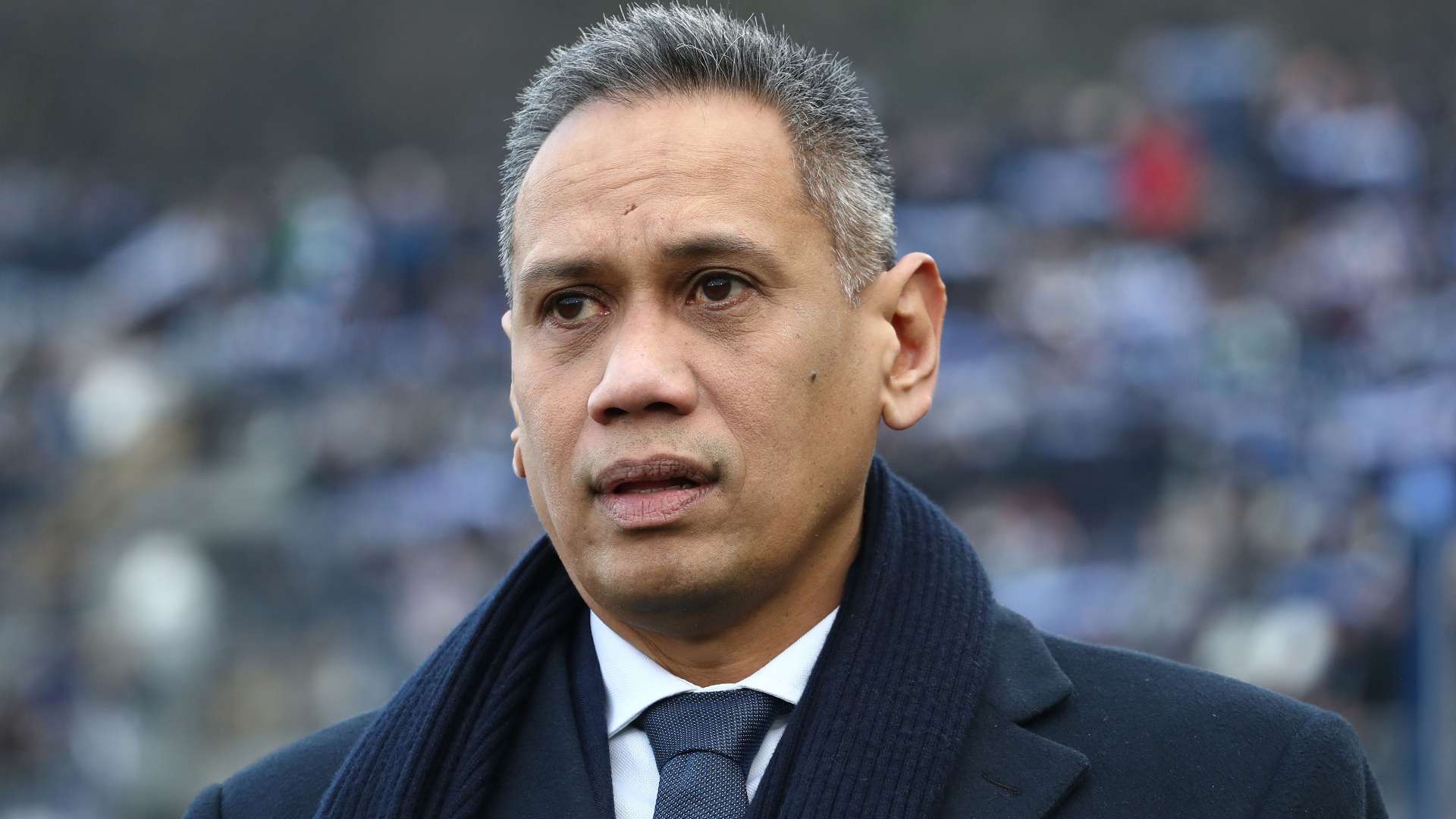
Morocco’s football coach, Mohamed Ouahbi, watched the final from the stands as the Atlas Lions delivered a composed and attacking display. Their success was built on sharp finishing, quick responses under pressure and the ability to raise their intensity when the contest demanded it.
A Tight First Half Produces a Fast Exchange of Goals
Angola kept the final goalless for much of the opening period, defending with discipline and limiting Morocco’s clear opportunities. The breakthrough arrived in the 17th minute, when Othmane El Idrissi created space on the right and struck powerfully from a difficult angle. His shot squeezed past the goalkeeper, setting off celebrations among the Moroccan supporters.
The goal appeared to give the hosts control, but Angola responded almost immediately. Just a minute later, the visitors found the net to become the first team to score against Morocco during the tournament. The equaliser briefly shifted the mood inside the arena and tested the champions’ composure.
Morocco’s answer was swift. In the 19th minute, Youssef Jaouad restored the lead with a confident individual move. He beat his marker before sending a long, diagonal effort into the net, giving the hosts a 2-1 advantage before the interval.
The opening half offered a reminder of why futsal finals can change quickly. With limited space and little time to recover after a turnover, teams must react instantly to both attacking chances and defensive setbacks. Morocco’s ability to score again so soon after conceding proved crucial to the match’s direction.
Second-Half Goals Put Morocco in Control
Morocco began the second half with clear intent, looking to increase the margin rather than allow Angola another route back into the contest. Their approach paid off in the 21st minute, when Idriss Raiss El Fenni struck from long range to make it 3-1.
The goal gave the Atlas Lions breathing room and forced Angola to take greater risks. Morocco continued to use its attacking quality, combining pressure with accurate finishing as the game opened up. Ismail Amazal added the fourth goal in the 33rd minute, moving the hosts closer to the trophy.
Two minutes later, Bilal Bakkali made it 5-1. The late surge underlined Morocco’s depth and attacking threat, with the team finding different ways to break down Angola’s defence. Rather than relying on a single scorer, the champions shared the responsibility and kept the pressure on throughout the final.
Angola managed to score again in the 37th minute, but the goal came too late to alter the outcome. Morocco held on to complete a 5-2 win, confirming their place at the top of African futsal and giving the home crowd a memorable celebration.
Four Consecutive Crowns Rewrite the Tournament Record
The 2026 triumph extends Morocco’s remarkable run of titles, following victories in 2016, 2020 and 2024. Four championships in succession give the Atlas Lions an outright record in the Africa Cup of Nations, moving them ahead of Egypt.
Egypt won the tournament’s first three editions, in 1996, 2000 and 2004, and had long been among the competition’s most decorated teams. Morocco’s latest success takes its total to four titles and establishes a new benchmark for future African contenders.
The achievement reflects more than one strong tournament. Sustaining success across several editions requires continuity, preparation and the ability to adapt as opponents study a champion’s tactics. Morocco’s latest campaign—and its emphatic final—suggests the team has continued to develop while maintaining the confidence that comes with winning.
What the Result Means for African Futsal
Morocco’s dominance raises the standard for the rest of the continent. Rival teams will now look to identify how to disrupt the Atlas Lions’ rhythm, defend against their range of attacking options and respond to the pressure of facing a side with a proven record in major finals.
For Morocco, the challenge is different: protecting a historic position while continuing to build for future competitions. The 5-2 scoreline will attract attention, but the most telling feature may have been the team’s response to Angola’s equaliser. The champions regained control quickly, then expanded their lead with a measured second-half performance.
Any pre-match prediction for a final must account for the uncertainty of knockout football, where one goal can change the balance. In Rabat, Angola showed enough resilience to make the contest competitive, but Morocco’s experience and finishing ultimately proved decisive. The result also demonstrated why futsal rewards quick decisions, technical skill and concentration from the opening whistle to the last.
With a fourth straight title and the outright record for Africa Cup of Nations honours, Morocco have moved beyond defending champions to become the team everyone else must chase. The Atlas Lions leave the 2026 tournament as continental champions once again—and with their place in African futsal history more firmly secured than ever.