
Why Milan Have Made Markus Krösche Their Top Target for Head of Football
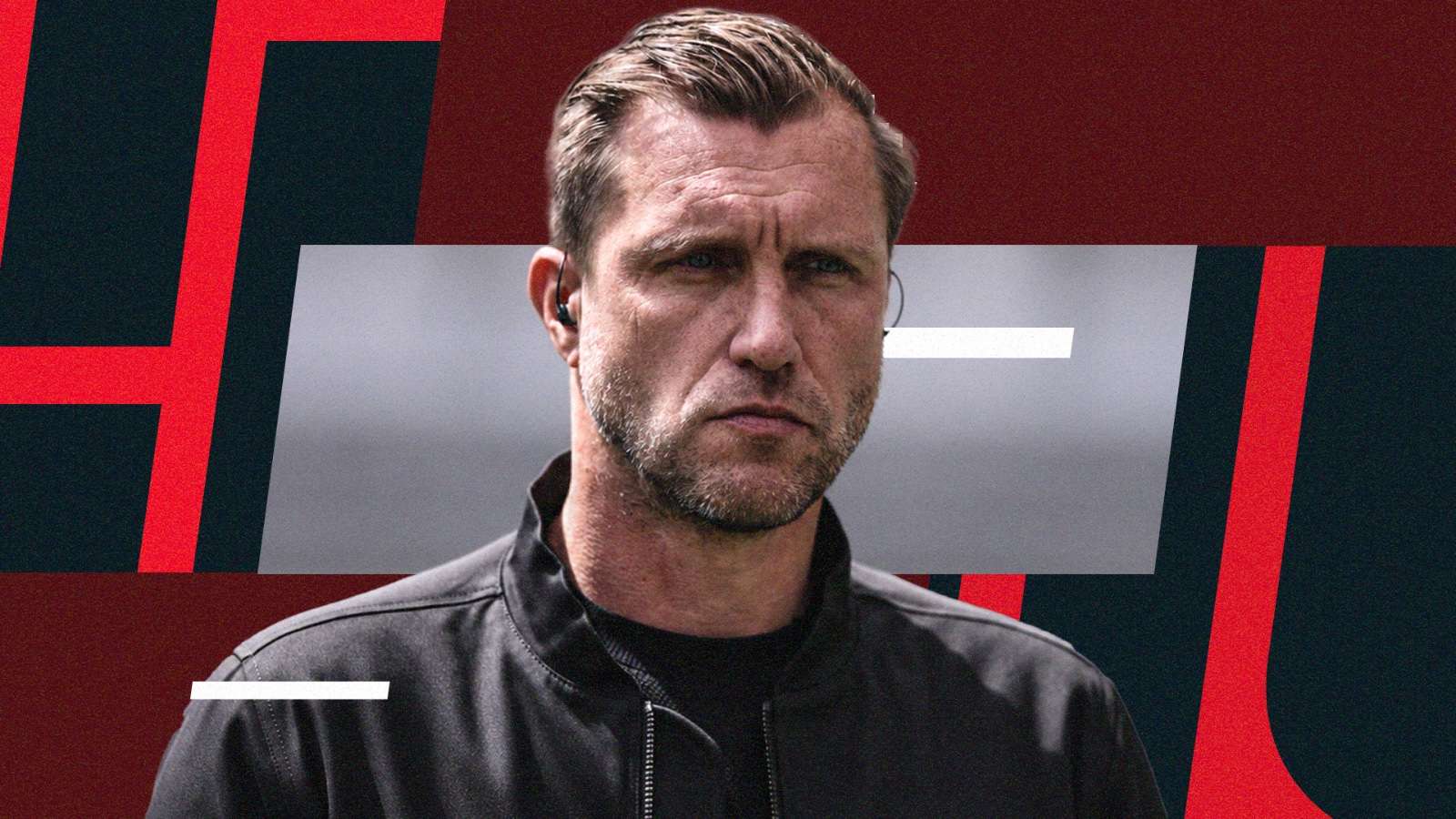
AC Milan are moving closer to appointing Markus Krösche as their new Head of Football, with the German executive emerging as the leading candidate after months of uncertainty over the club’s sporting leadership. The attraction is clear: Krösche has built a reputation for identifying promising players, helping them develop and, when the right opportunity arises, selling them for a substantial profit.
That combination of recruitment skill and financial discipline is especially relevant to Milan. The club want to compete for major honours while operating within a sustainable financial model, making an experienced talent developer a potentially influential addition to their leadership structure. Reports indicate that Milan and Krösche have reached a financial agreement, while Eintracht Frankfurt have accepted his resignation. The remaining work is now focused on completing the formal arrangements and defining how he will take up the role.
Why Krösche Fits Milan’s Transfer Strategy
Krösche’s appeal rests on more than his ability to negotiate transfers. His work has been associated with a broader recruitment approach: find players with room to improve, place them in an environment where they can progress, and preserve the option to sell them later at a higher value. For a club balancing sporting ambition with financial responsibility, that model can help turn smart recruitment into both stronger performances and a healthier balance sheet.
Player development is particularly important in a competitive transfer market, where established stars often command high fees and wages. Clubs that can identify talent before its value peaks have a chance to build a stronger squad without relying entirely on expensive, high-profile signings. If Milan appoint Krösche, supporters may expect a greater emphasis on potential, resale value and a coherent long-term plan—not simply a series of short-term purchases.
That does not mean every signing would be young or every player would be viewed as a future sale. A successful sporting strategy still needs experienced leaders, tactical balance and players capable of delivering immediately. The challenge for Milan would be combining those needs with a recruitment structure that consistently identifies value and gives new arrivals a clear path to improve.
From Last Summer’s Stalemate to a Possible Agreement
The current momentum follows an earlier attempt to bring Krösche to Milan. Talks reportedly stalled last summer because Eintracht Frankfurt were unwilling to lose a key executive. Their resistance made a deal difficult, even as Milan considered him a strong candidate for a senior football position.
The circumstances now appear more favourable. Milan owner Gerry Cardinale has decided to move ahead with appointing a new Head of Football, signalling a renewed commitment to strengthening the club’s sporting structure. At the same time, the situation at Frankfurt has changed: Krösche has submitted his resignation, and the German club has accepted it. That development removes a major obstacle that had complicated Milan’s earlier pursuit.
Krösche, 46, has therefore moved from being an attractive but difficult target to a candidate whose departure from Frankfurt appears to be underway. Still, an accepted resignation does not automatically complete a move to Milan. The clubs and executive must settle the practical details, including the timing of his exit, the start date of his new role and any remaining contractual or administrative requirements.
What Still Needs to Be Finalised?
With the financial agreement between Milan and Krösche reportedly in place, the final stage is likely to centre on formalities rather than broad negotiations over his compensation. The exact terms have not been publicly detailed, so it would be premature to assume that every element of the appointment has been settled. An official announcement would clarify the contract, responsibilities and timetable.
One important question is how the Head of Football will work with Milan’s existing leadership. The role can cover a wide range of responsibilities, from transfer planning and scouting to squad construction and coordination with the coach. Clear decision-making lines will be essential. Krösche would need to understand which matters he controls directly, how recruitment proposals are approved and how the club’s football department will collaborate with senior management.
Timing will also matter. A new executive arriving during a transfer window may have an immediate influence on targets, negotiations and squad priorities. If the appointment is completed outside that period, he could instead begin with a broader review of the squad, scouting network and recruitment processes before the next major window. Either way, Milan will want the transition handled carefully so that planning does not lose momentum.
What Krösche Could Bring to the Rossoneri
For Milan supporters, the appointment would represent a potential shift towards a more integrated approach to building the team. Rather than treating each transfer as an isolated decision, the club could place greater emphasis on how signings fit together across different positions, age groups and financial timelines. A clear strategy can help reduce costly missteps and make it easier to replace players when circumstances change.
Krösche’s reputation for developing and selling talent also aligns with the realities of modern football. Even ambitious clubs must sometimes sell valuable players, whether to fund new arrivals, meet financial targets or respond to a player’s desire to leave. The key is ensuring that a sale does not leave the squad weaker for long. Strong succession planning allows a club to identify replacements before a departure becomes urgent.
For Milan, that could mean building a deeper pipeline of targets and making decisions earlier, rather than entering the market only when a position becomes exposed. It could also encourage the club to assess players not just on their current ability, but on their likely development, tactical adaptability and future market value. Such an approach would not guarantee success, but it can make recruitment more consistent.
A Promising Move, With Results Still to Come
Krösche’s reported agreement with Milan and Frankfurt’s acceptance of his resignation bring the appointment closer, but the final confirmation remains the crucial step. Until the remaining details are completed and the club announces the decision, questions about his precise authority and start date will remain open.
Still, Milan’s interest reflects a clear priority: appoint a football executive capable of connecting recruitment, player development and financial planning. Krösche’s profile fits that ambition, particularly if the club want to compete at the highest level while making the most of the transfer market. The next test will be whether Milan can turn that promising profile into an effective working structure—and whether the strategy delivers a stronger squad, smarter transfers and lasting results on the pitch.