
Khvicha Kvaratskhelia Faces a Defining PSG Test Ahead of Barcelona Clash
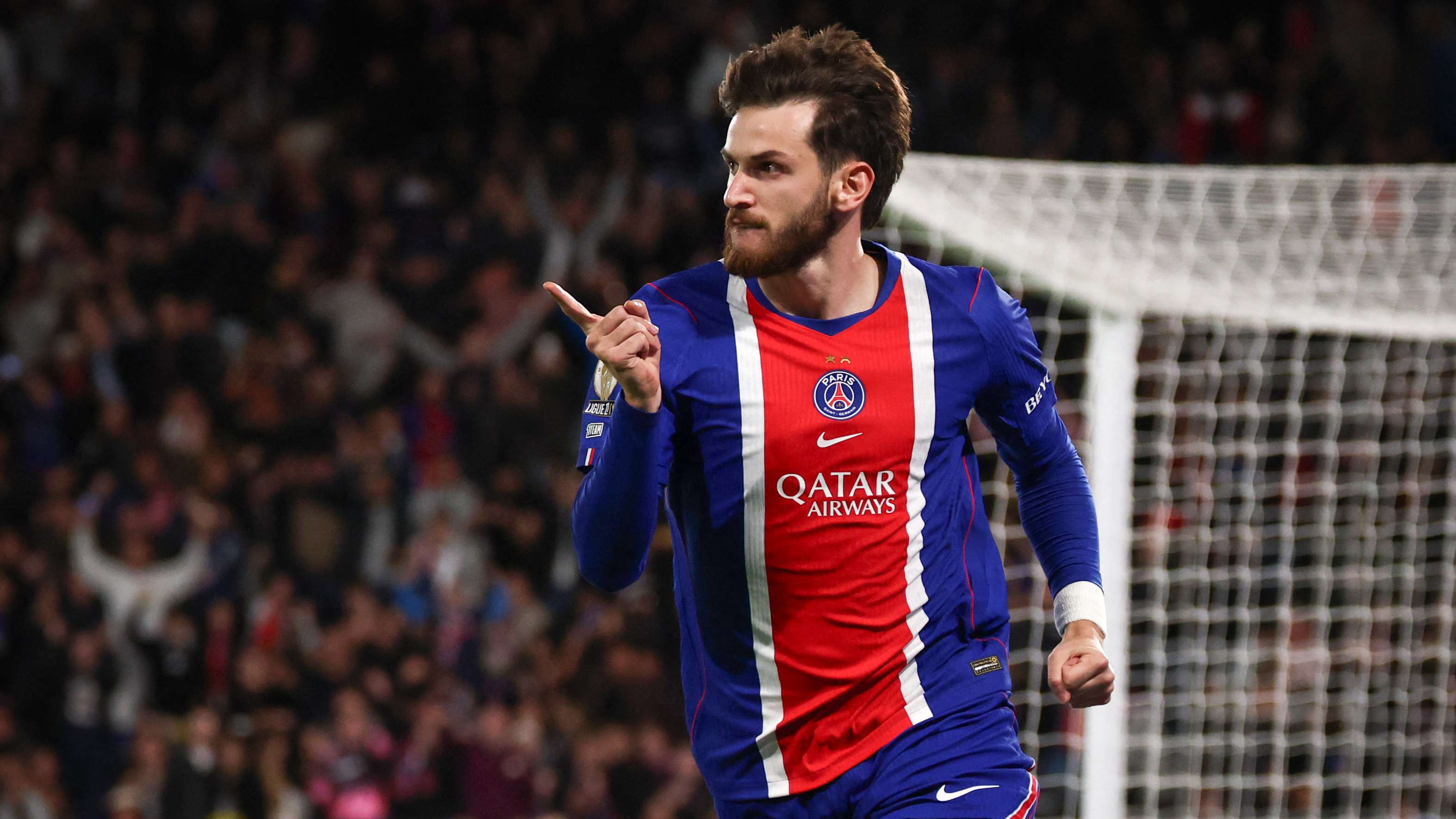
Khvicha Kvaratskhelia’s reputation was built on fearless dribbling, sharp movement and decisive performances on Europe’s biggest stage. But at Paris Saint-Germain, past achievements are now competing with a difficult present. As PSG prepare to face Barcelona in the UEFA Champions League, the Georgian forward is under pressure to prove he still belongs in Luis Enrique’s strongest starting lineup.
The decision presents a familiar football dilemma: should a coach back a proven star through a dip in form, or reward the players currently making the strongest case? For Enrique, the answer could shape not only PSG’s approach to a major European fixture, but also Kvaratskhelia’s immediate role in the team.
A Difficult Start and Growing Scrutiny
Kvaratskhelia has struggled to reproduce the influence he showed during PSG’s successful Champions League campaign last season. His performances have lacked their usual spark, with fewer moments of incisive dribbling and attacking threat. The contrast has prompted questions from supporters and French media alike about whether he is simply experiencing a temporary downturn or has yet to find his place in PSG’s evolving attack.
His display against Strasbourg intensified the debate. Foot Mercato rated him 3 out of 10, describing his performance as below the standard expected of a player of his ability. L’Équipe called him a “ghost”, while Le Parisien judged him ineffective. Such assessments reflect the frustration surrounding his recent form, though they also underline the high expectations attached to a player who has already delivered memorable European performances.
One moment in the Strasbourg match was especially damaging: a loss of possession contributed directly to the goal PSG conceded. For an attacker, a costly turnover can quickly become a focal point when the team is under pressure. It also gives a coach practical reasons to consider alternatives, particularly when the competition for wide attacking positions is intense.
Enrique Has Already Shown He Is Willing to Rotate
The PSG coach has not treated Kvaratskhelia’s place as untouchable. The Georgian was left out of the starting lineup for the club’s first two Champions League matches. He remained on the bench against Slovan Bratislava, then made a brief appearance against Manchester City without producing the kind of impact that might have forced a change in Enrique’s thinking.
That approach fits the coach’s broader selection philosophy. At PSG, reputation alone is not enough to guarantee a starting role; players are expected to contribute to the team’s pressing, defensive structure and attacking rhythm. Kvaratskhelia’s challenge is therefore not only to create chances, but to show that he can deliver consistently across all phases of play.
At the same time, a short spell on the bench does not necessarily signal a permanent loss of trust. Rotation is part of managing a long season, especially when PSG must balance domestic fixtures with the demands of the Champions League. A strong performance in training or a decisive contribution off the bench could quickly change the conversation.
Désiré Doué Makes the Selection Call More Complicated
The clearest alternative is Désiré Doué, whose recent form has strengthened his case for a starting place. Doué began the Bratislava match among the substitutes, but made a strong impression after coming on. His energy and directness give Enrique a credible option on the left, while also allowing PSG to adjust their attacking shape during a match.
That competition changes the nature of Kvaratskhelia’s test. If PSG had few alternatives, the coach might be more inclined to give the Georgian an extended run. With Doué performing well, however, selecting Kvaratskhelia would be a deliberate show of confidence rather than a necessity. Leaving him out could equally be presented as a straightforward decision based on current form.
For fans considering a football prediction for the Barcelona match, the uncertainty over PSG’s attacking lineup is an important factor. Kvaratskhelia offers individual quality and the ability to beat defenders, while Doué brings fresh momentum. Enrique’s choice could influence PSG’s width, pressing intensity and ability to create one-on-one situations.
Why Kvaratskhelia Could Still Be Valuable Against Barcelona
There is a strong tactical argument for giving Kvaratskhelia another opportunity. PSG may need more than attacking flair against Barcelona; they will also need disciplined work without the ball. With Nuno Mendes unavailable, the left side could require extra support, particularly against the threat posed by Lamine Yamal on Barcelona’s right flank.
Kvaratskhelia’s defensive contribution could help PSG protect that area and reduce the space available to Barcelona’s winger. His ability to carry the ball forward could also give PSG an outlet when they win possession, helping the team move quickly from defence into attack. In a high-stakes Champions League game, those responsibilities may be just as important as scoring or assisting.
Still, selecting him carries risk. If his confidence remains low, Barcelona may target his side of the pitch or force him into hurried decisions. Enrique must weigh the potential benefit of Kvaratskhelia’s experience against the possibility that a more in-form option would offer greater reliability from the opening whistle.
Vitinha Offers Support, but the Decision Is Enrique’s
Midfielder Vitinha has defended his teammate, pointing out that every player experiences fluctuations in form. He said there is not always a simple explanation for a dip, and that maintaining the same level throughout a season is unrealistic. His comments offer a reminder that a difficult run does not automatically mean a deeper problem.
That support may help ease the pressure around Kvaratskhelia, but it does not resolve Enrique’s selection dilemma. The coach must decide whether the Barcelona game is the right moment to restore the Georgian’s confidence—or whether the team’s immediate needs demand a different choice.
A Familiar Slump, but a More Competitive PSG
There is some reason to avoid treating Kvaratskhelia’s slow start as unprecedented. He also needed time to find his rhythm at the beginning of last season, scoring his first Ligue 1 goal only in the twelfth round. His European campaign, however, included an early goal against Atalanta and a standout performance against Bayer Leverkusen, illustrating how quickly his form can change once he finds momentum.
The key difference now is the depth around him. PSG have more credible options in attack, and Doué’s emergence means Kvaratskhelia cannot assume that patience will automatically preserve his place. For Enrique, the challenge is to balance long-term confidence-building with the need to select the players who appear best prepared for a demanding contest.
Barcelona therefore represents more than another fixture on the schedule. It is a chance for Kvaratskhelia to answer criticism with his football, whether as a starter or a substitute. If he is selected, PSG will hope his experience and defensive work can complement his attacking instincts. If he begins on the bench, the message will be clear: at this PSG, starting places must be earned in the present, not secured by past performances.