
FIFA Sanctions Egypt Officials and Forward After Argentina World Cup Exit
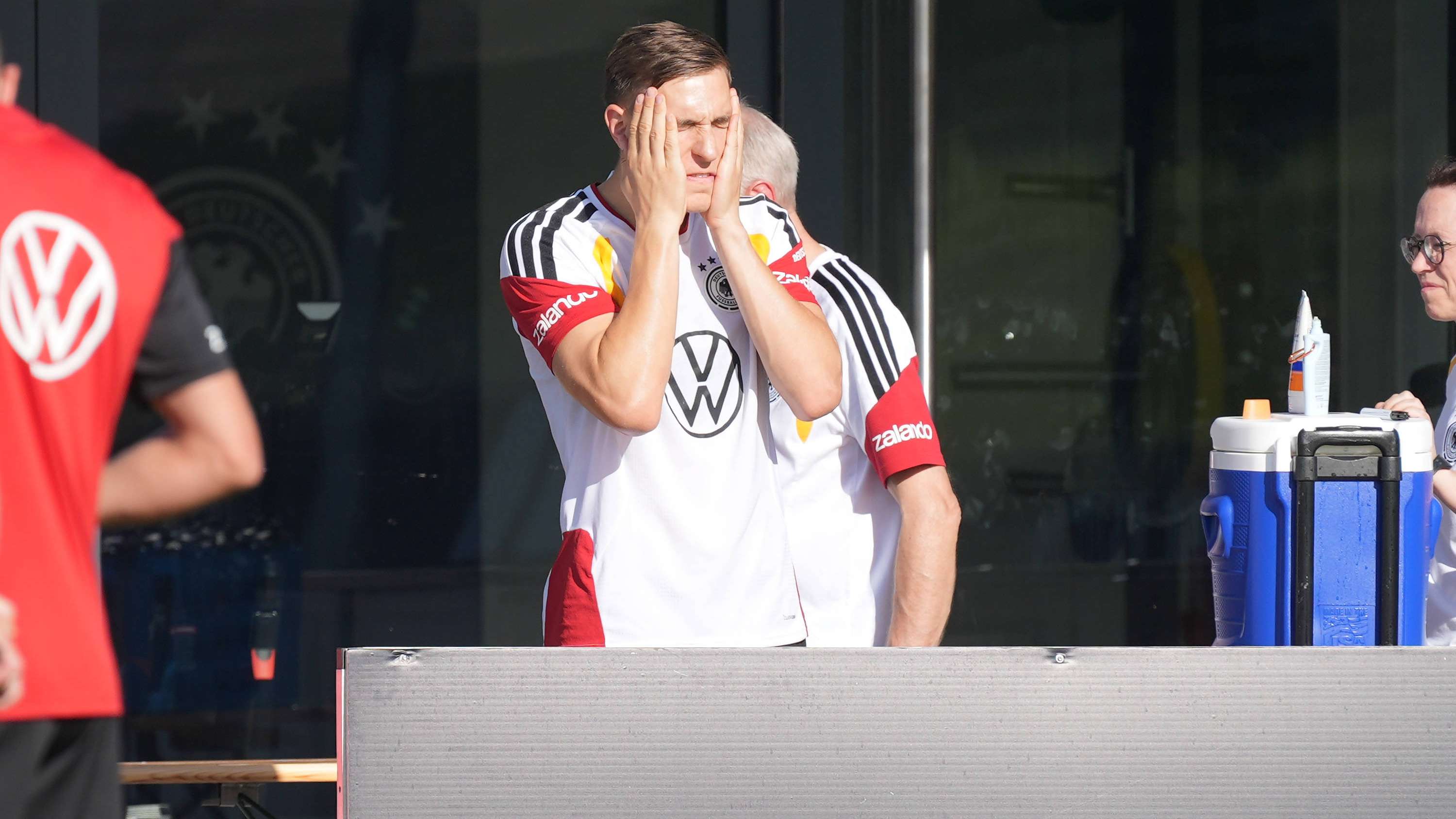
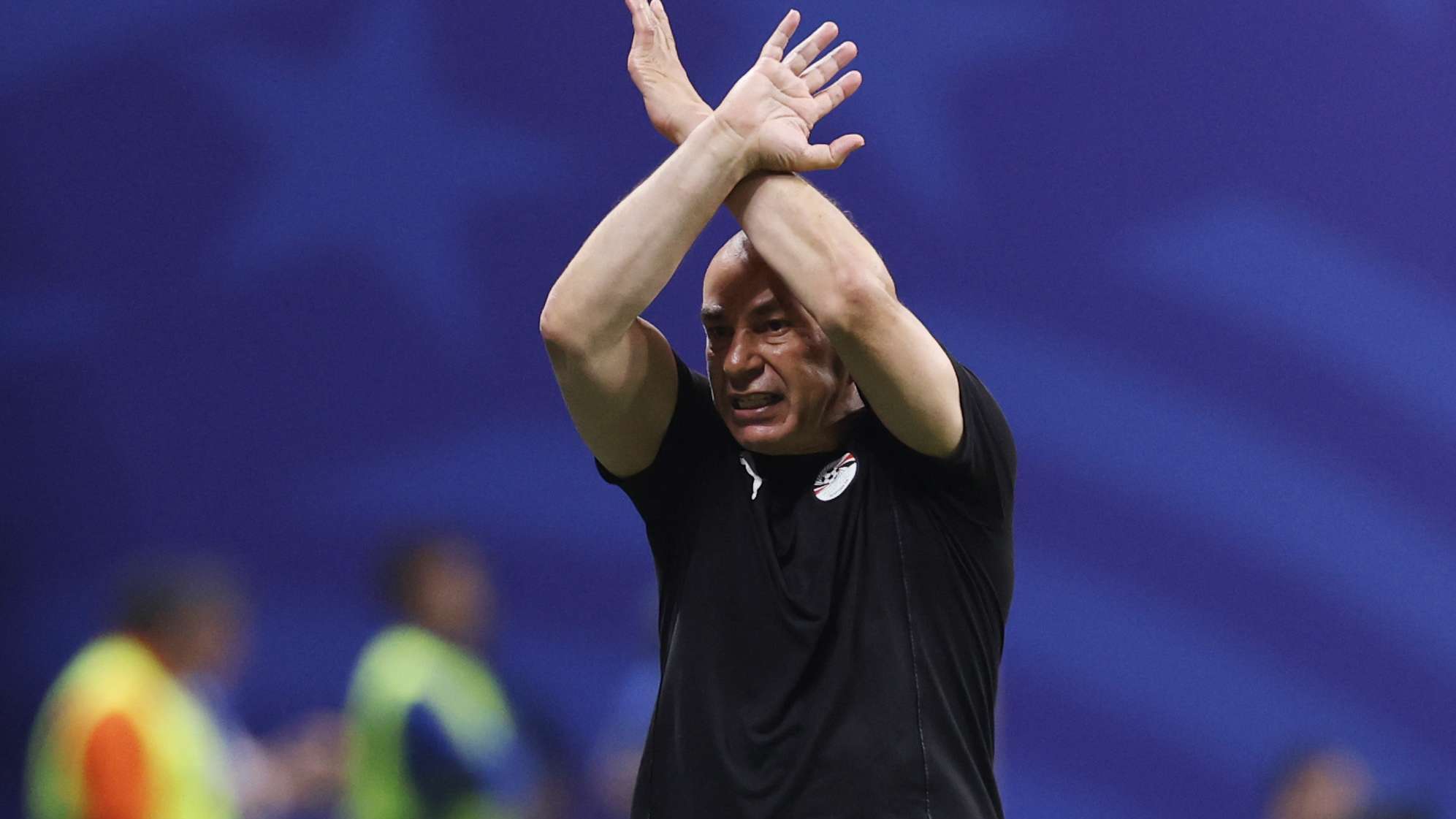
FIFA has imposed disciplinary sanctions on Egypt head coach Hossam Hassan, team manager Ibrahim Hassan and forward Mostafa Zico following a turbulent conclusion to the Pharaohs’ 2026 World Cup campaign. The measures come after Egypt’s dramatic elimination by Argentina, an outcome followed by controversial incidents and heated public comments that drew the governing body’s attention.
The case highlights how quickly the focus can shift from football on the pitch to conduct off it. For Egypt, a painful defeat against one of the tournament’s leading sides has now been followed by a disciplinary dispute involving members of the national team. FIFA’s decision is likely to shape the conversation around the team’s exit, while also raising questions about how players and staff are expected to respond in the immediate aftermath of a high-pressure match.
What led to FIFA’s disciplinary action?
The sanctions stem from a series of events and statements after Argentina ended Egypt’s World Cup run. While the loss itself was the central sporting moment, the reaction that followed became a separate issue for FIFA to assess. The organization’s disciplinary process can cover conduct by coaches, team officials and players, including behavior around a match and comments made in connection with it.
FIFA has confirmed that Hossam Hassan, Ibrahim Hassan and Mostafa Zico are among those facing punishment. The case involves different roles within the Egypt delegation: the head coach is responsible for the team’s technical direction, the team manager oversees important operational matters, and Zico represents the players on the field. Their inclusion underlines that disciplinary standards apply across a national team—not only to those directly involved in play.
The available information does not specify the precise terms of each sanction. Without details such as match suspensions, fines or the length of any restrictions, it is too early to determine the full effect on Egypt’s next fixtures. The practical impact will depend on the penalties themselves and whether any appeal or review process is available.
A dramatic defeat with consequences beyond the scoreboard
Being eliminated by Argentina would have been difficult for Egypt regardless of what followed. The South American side entered the contest with the reputation and experience of a major tournament contender, while Egypt were seeking to extend their World Cup journey and make a statement on the global stage. A dramatic finish can intensify frustration, particularly when players and staff feel that key moments did not go their way.
That emotional pressure is part of international football, where a single result can define weeks of preparation. Coaches must make decisions under scrutiny, players face enormous expectations, and supporters often judge a campaign through its final match. But disappointment does not remove the responsibility to maintain appropriate conduct. FIFA’s response serves as a reminder that post-match behavior can have consequences just as surely as actions during the game.
For Egypt, the episode may also complicate efforts to assess the campaign calmly. Tactical questions—such as how the team managed Argentina’s attacking threats, whether Egypt created enough chances, and how effectively it handled decisive phases—risk being overshadowed by the disciplinary story. Those issues still matter. A thorough review will need to separate the team’s performance from the controversy that followed.
Why the sanctions matter for Egypt’s next chapter
The most immediate concern is the potential effect on upcoming international matches. If the sanctions include suspensions, the coaching staff and squad could have to adjust their plans for future fixtures. Any absence among senior leadership may influence preparation, communication and decision-making, while a player penalty could reduce the team’s options in attack. The precise consequences will depend on FIFA’s final disciplinary terms.
There is also a broader reputational consideration. Egypt are one of Africa’s most prominent football nations, and the Pharaohs’ conduct is closely watched by supporters across the region. A difficult World Cup exit can become a useful turning point if the team responds with discipline and clear planning. By contrast, allowing the dispute to dominate the aftermath could make it harder to rebuild momentum and focus on future competition.
For Hossam Hassan, the situation arrives at a particularly visible moment in his role as head coach. A national-team manager is judged not only on results but also on how the squad responds to setbacks. The challenge now is to guide Egypt through the disappointment, maintain unity within the group and ensure that attention returns to football development rather than continued conflict.
Prediction: what happens next for the Pharaohs?
Any prediction about Egypt’s immediate future should be cautious until FIFA’s sanctions are fully clarified. If the penalties are limited, the team may be able to move on quickly and use the Argentina defeat as a lesson in tournament management. If they involve significant suspensions, Egypt could face a more complicated transition, especially if key figures are unavailable for important matches.
On the sporting side, Egypt’s next steps will likely include a review of the campaign, an assessment of squad depth and a renewed focus on consistency. The team will need to turn difficult moments into practical improvements: sharper decision-making under pressure, greater control during decisive passages and a clearer response when matches become emotionally charged. These adjustments can be valuable well beyond one World Cup match.
The controversy may also prompt the federation and team leadership to reinforce expectations around media appearances and post-match conduct. Clear guidance can help players and staff express disappointment without creating additional problems. In modern football, comments can travel globally within minutes, and a heated reaction can become a headline long after the final whistle.
A reminder of football’s standards under pressure
FIFA’s action against Hossam Hassan, Ibrahim Hassan and Mostafa Zico adds a disciplinary chapter to Egypt’s World Cup story. The Pharaohs’ elimination by Argentina was already a major sporting setback; the sanctions have made the aftermath more complicated. Yet the episode also offers an opportunity for the team to reset, learn and prepare for what comes next.
For supporters searching for the latest football news, the key issue now is the scope of the penalties and how they affect Egypt’s future fixtures. Until those details are clear, predictions about the team’s short-term prospects remain uncertain. What is clear is that the response to defeat matters: Egypt’s ability to regain focus, uphold professional standards and build on the experience could ultimately define the lasting impact of this turbulent World Cup exit.