
AC Milan Injury Update: Matteo Gabbia Faces Assessment After Thigh Problem
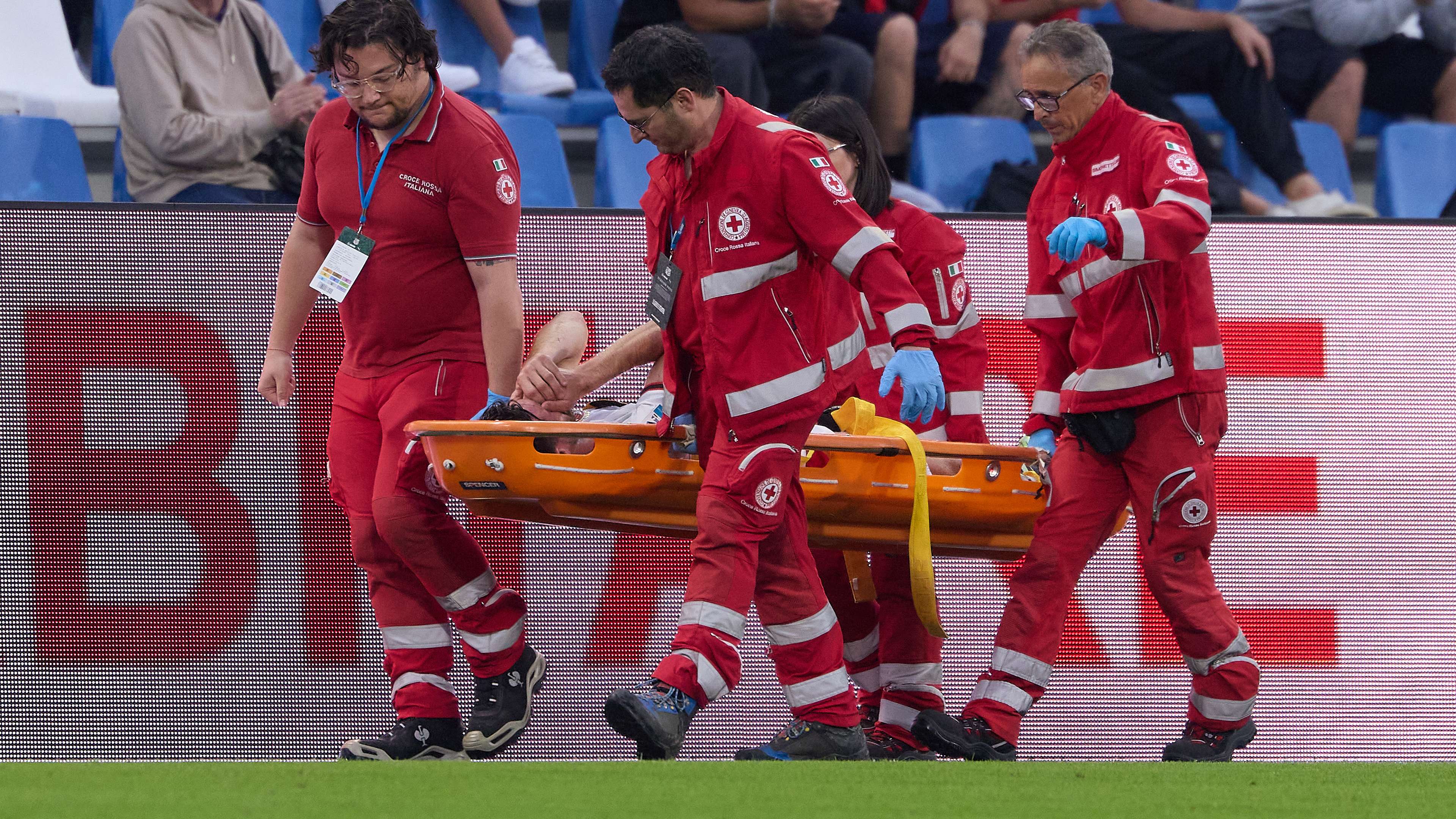
AC Milan have received an unwelcome injury update after defender Matteo Gabbia was diagnosed with a problem in the flexor muscle of his left thigh. Medical tests confirmed that the injury also involves part of the tendon, although the club has not yet announced a definitive recovery timetable. Further assessment is expected to clarify the severity of the damage and guide the next steps in his rehabilitation.
The news creates fresh uncertainty for Milan as the team manages its defensive options during a demanding stretch of the football season. Gabbia’s availability will depend on how the injury responds to treatment and what additional examinations reveal. Until the club provides a clearer prognosis, any prediction about when he might return to training or competition should be treated cautiously.
What the Injury Could Mean for Gabbia
The flexor muscles at the back of the thigh help control movement and generate power when a player accelerates, changes direction, or stretches to challenge an opponent. These actions are central to a defender’s work, particularly in a high-intensity match where quick reactions and repeated sprints are required. When an injury affects both muscle tissue and part of a tendon, careful management is especially important.
The initial diagnosis confirms the location of Gabbia’s injury but does not, on its own, establish how long he will be sidelined. The extent of the muscle damage, the degree of tendon involvement, and the player’s response to treatment all influence the recovery process. Milan’s medical staff are likely to monitor his symptoms and functional progress before deciding when he can increase his workload.
That approach is standard in professional football. A player may first focus on reducing discomfort and restoring basic movement, then gradually progress to strength work, running, and football-specific drills. Full training is usually considered only after the medical team is satisfied that the injured area can tolerate more demanding activity. Returning too soon can increase the risk of aggravating the problem, potentially extending the absence.
Why Milan Will Be Careful With the Recovery Timeline
Supporters naturally want to know when Gabbia will be back, but a precise return date would be premature before the further assessment is complete. Muscle injuries vary considerably, and partial tendon involvement can make the rehabilitation plan more cautious. Milan are therefore likely to evaluate the defender step by step rather than set a public deadline before they have a reliable picture of his condition.
For the club, the priority will be balancing the need for defensive stability with the player’s long-term fitness. A rapid return could be tempting if fixtures are coming thick and fast, but the medical team must determine whether Gabbia is ready for the physical demands of competitive football. Training intensity, sprinting ability, and confidence in the injured leg are among the factors that can shape a return-to-play decision.
Further updates may provide more detail about the diagnosis, but until then, reports should distinguish between confirmed information and speculation. The current facts are limited: Gabbia has sustained a flexor muscle injury in his left thigh, partial tendon involvement has been identified, and additional assessment will determine the recovery plan.
Defensive Options and Tactical Considerations
Gabbia’s absence, if confirmed for upcoming matches, could prompt Milan’s coaching staff to review their defensive combinations. The exact effect will depend on the squad’s overall fitness, the availability of other centre-backs, and the demands of each opponent. Coaches may consider a different partnership in the middle of defence or adjust the team’s shape to maintain balance between pressing, covering space, and protecting the penalty area.
Centre-backs are not interchangeable in every tactical situation. Some are particularly effective defending a high line, while others offer different strengths in aerial duels, distribution, or one-on-one defending. Losing a regular option can therefore influence more than the team sheet: it may affect how aggressively Milan press, how quickly they build from the back, and how much support is required from midfield.
Even so, one injury does not automatically determine a team’s results. Milan’s ability to adapt will depend on the quality and readiness of the players available, as well as how effectively the coaching staff manage workloads. A replacement could bring different qualities to the role, while adjustments elsewhere may help compensate for Gabbia’s absence.
What the Injury Means for Milan’s Season
In a long campaign, squad depth can be as important as the first-choice lineup. Domestic fixtures, European competition, and cup commitments can place repeated demands on players, increasing the importance of having several defenders ready to contribute. Gabbia’s situation is a reminder that injury management is an ongoing part of a season, not simply a matter of filling one position for one match.
For fans following AC Milan news, the next meaningful development will be the club’s assessment of the injury and any indication of how Gabbia is progressing. Until that information arrives, match-by-match predictions involving Milan’s defence should account for uncertainty rather than assume either a quick return or a lengthy absence. The same caution applies to expectations about the team’s performance: tactical preparation and the availability of other defenders will be crucial.
What Happens Next
Gabbia’s recovery is now expected to proceed according to the findings of the additional medical evaluation. Milan will be looking for signs that the affected muscle and tendon can handle a gradual increase in activity without a recurrence of symptoms. The defender’s progress through rehabilitation, rather than an optimistic estimate, will ultimately determine when he can rejoin the group and compete again.
For now, the injury is a setback for both the player and the club, but its full impact remains unclear. AC Milan have confirmed the flexor muscle problem in Gabbia’s left thigh and the partial tendon involvement; the next assessment should provide a firmer basis for judging the likely recovery path. Until then, patience is essential, and any football prediction about his availability should remain provisional.