
Eldense Reshape Leadership After Lionel Messi Takeover
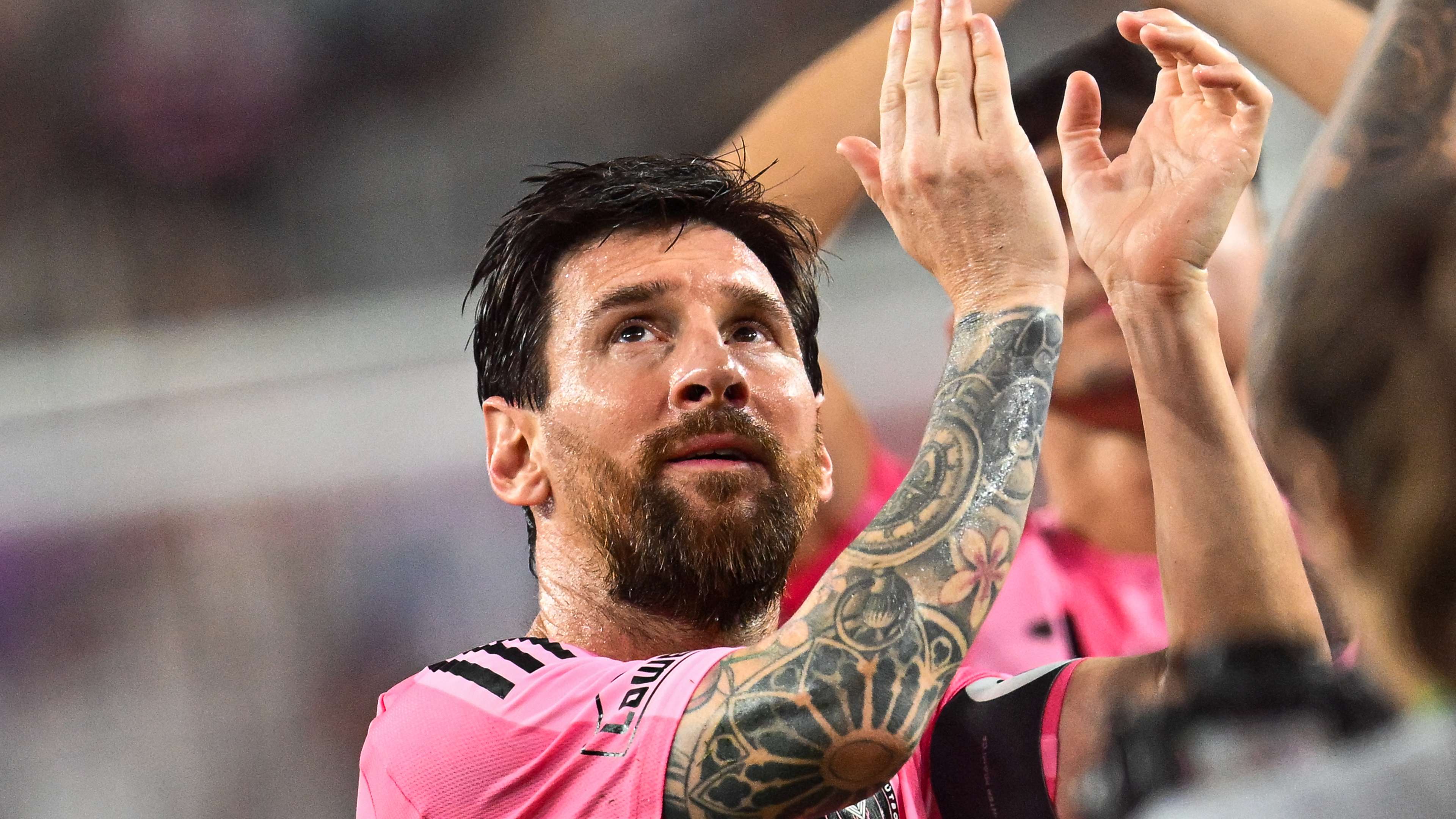
Eldense have appointed lawyer Pablo García Montañés as club president as the Spanish side begins a new chapter following its recent takeover by Argentine football icon Lionel Messi. The club announced its updated administrative structure on Monday, outlining a leadership team that combines new appointments with familiar figures from its existing organisation.
Mario Rosas will remain general manager, retaining responsibility for the club’s day-to-day executive operations. The changes are intended to establish clear lines of authority as Eldense adapts to new ownership and seeks to strengthen its position in Spanish football. While Messi’s arrival has attracted international attention, the club’s newly announced leadership will oversee the practical work of running the organisation.
New president to represent Eldense at institutional level
García Montañés, who works as a secretary at Andbank, is expected to represent Eldense in institutional settings and serve as a prominent figure in the club’s public life. He has already been seen in the directors’ box at recent matches, offering an early indication of his growing involvement.
His appointment places a legal and administrative professional at the head of the club’s formal structure. That role can involve maintaining relationships with football authorities, public institutions, commercial partners and other clubs, as well as helping ensure that decisions are handled through the appropriate governance channels. The announcement does not detail specific strategic plans, but the appointment gives Eldense a designated president as it enters a period of change.
Rosas, meanwhile, will continue to manage the club’s everyday executive business. A former player, he brings direct experience of the sport alongside his administrative responsibilities. Keeping him in place provides continuity while the ownership transition takes shape, and means the new president’s institutional role will sit alongside an established operational leadership structure.
Marcelo Méndez Mingot and Fernando Valderrama join the board
Spanish newspaper Marca reported that Alicante-based journalist Marcelo Méndez Mingot has taken up the vice-presidency. Architect Fernando Valderrama, also from Alicante, has joined Eldense’s board of directors. The club confirmed both appointments on its official website, adding local connections to the refreshed leadership group.
The appointments broaden the board’s profile at a time when Eldense is likely to face heightened scrutiny from supporters and the wider football community. New ownership can bring opportunities, but it also raises questions about long-term planning, investment priorities and how a club intends to build sustainably. A clearly identified board can help communicate decisions and provide a framework for overseeing the club’s development.
Three figures set to speak publicly for the club
Rosas, sporting director Víctor Lafuente and head coach Javi Calleja are expected to remain Eldense’s three main public-facing figures. Each will address matters within his area of responsibility: Rosas on executive operations, Lafuente on sporting strategy and squad planning, and Calleja on the team’s performances and footballing direction.
This division of responsibilities could help supporters understand who is accountable for different aspects of the club. It also creates a distinction between Eldense’s institutional leadership and its football department. For a team navigating a high-profile ownership change, consistent communication may be important in keeping attention on the squad and its competitive aims, rather than on speculation about who is making decisions behind the scenes.
On the pitch, results will ultimately shape how supporters judge the new era. Eldense’s league position, recruitment choices, player development and performances in key fixtures will all contribute to the club’s outlook. Any football prediction about the team’s prospects should therefore be treated cautiously until the effects of the ownership change become clearer. New leadership can create momentum, but success depends on translating administrative stability into effective sporting decisions.
Messi’s involvement draws attention to Eldense’s future
Messi’s connection to Eldense has inevitably raised the club’s profile beyond its usual audience. The Argentine star is one of football’s most recognisable figures, and his takeover has prompted interest in what the club could become under new ownership. However, the leadership announcement also makes clear that Eldense will be managed through an appointed structure, with named executives and sporting figures responsible for its regular business.
Alfonso Nebot, who runs the Messi family’s wealth management office, will remain in his current role but will have no connection to Eldense. The clarification separates his work with the family from the club’s governance and day-to-day operations, helping distinguish the ownership story from the people directly responsible for running the team.
What the leadership changes could mean for Eldense
The updated structure brings together García Montañés as president, Méndez Mingot as vice-president, Valderrama on the board and Rosas in the general manager’s position. Alongside Lafuente and Calleja, they form a leadership group with responsibilities spanning institutional representation, administration and football operations.
For supporters, the key questions will be how the new ownership affects Eldense’s long-term ambitions and whether the club can maintain stability while pursuing progress on the field. The appointments provide an organisational starting point, but they do not, by themselves, reveal future spending plans, transfer targets or competitive objectives. Those details are likely to emerge through the club’s decisions over time.
For now, Eldense’s message is one of structured transition: new figures have taken on senior roles, while experienced personnel remain in place to oversee daily operations and the sporting project. With Messi’s takeover bringing added attention, the challenge will be to turn that visibility into lasting progress—and to ensure the club’s football remains at the centre of the conversation.