
Kylian Mbappé Wins Onze d’Or and Explains the Mindset Behind His Career
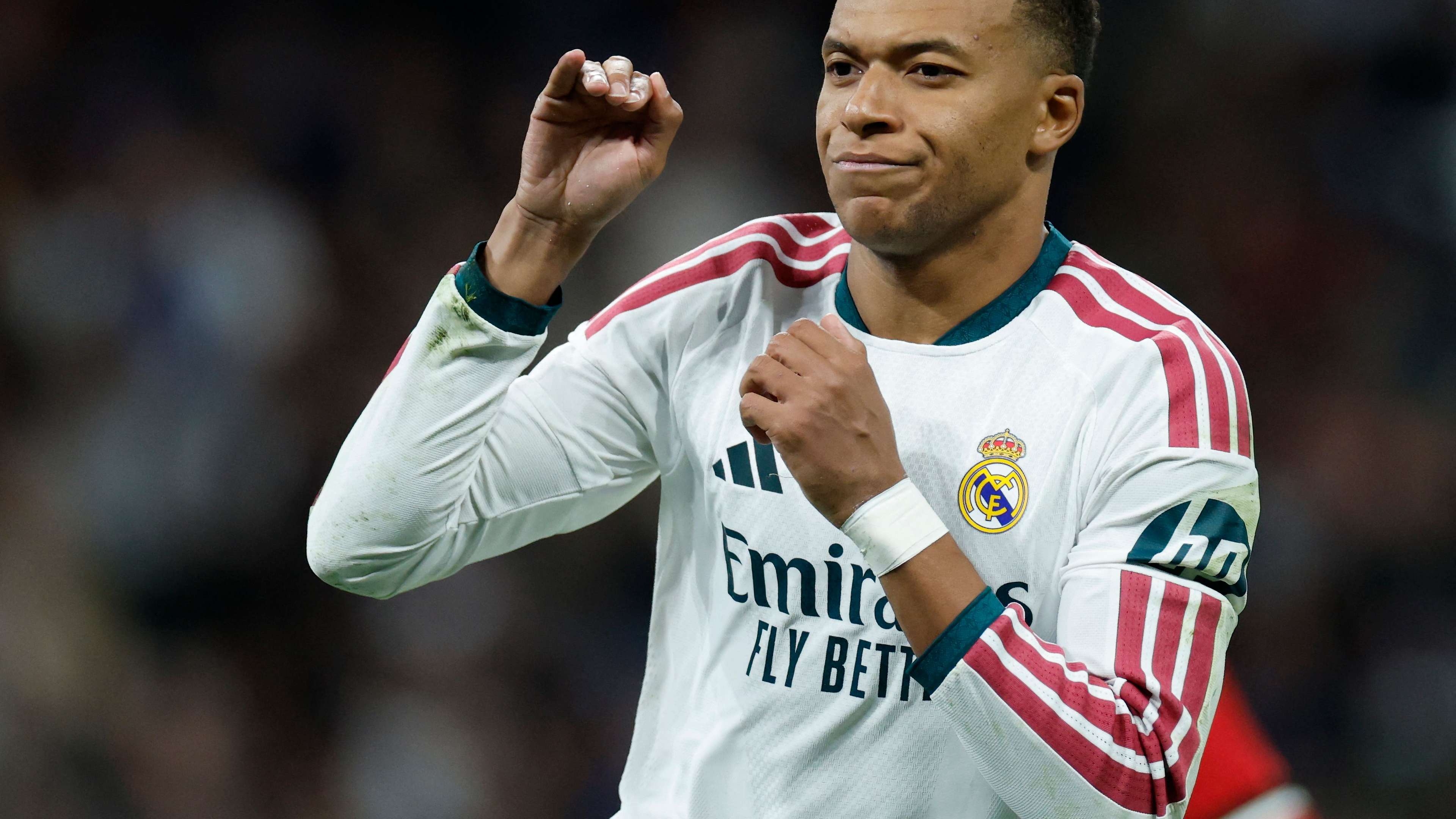
Kylian Mbappé has added another individual honour to his collection, winning the Onze d’Or after topping a reader vote organised by French football magazine Onze Mondial. The Real Madrid forward received 48.2% of the vote, finishing comfortably ahead of Portugal’s João Neves, who claimed 11.9%. Khvicha Kvaratskhelia of Georgia placed third with 10.8%, while Spain’s teenage star Lamine Yamal finished fourth on 9.7%.
The award places Mbappé among a distinguished group of past winners that includes Diego Maradona, Zinedine Zidane and Cristiano Ronaldo. But in an interview published after the ceremony, the French captain focused less on trophies and statistics than on what has sustained him through more than a decade in elite football: his enjoyment of the game.
A career measured in more than goals and trophies
Asked to assess his career so far, Mbappé gave himself a perfect score. His explanation was not simply that he has collected major titles or scored at a remarkable rate. Instead, he said a football career should be judged across its full range of experiences, including setbacks, difficult periods and the everyday moments that rarely make the highlights.
“I give it a 10, because a career is lived in all its details, in the good moments and the bad ones alike,” Mbappé said. He added that the first things he remembers are not particular goals or trophies, but the fact that he has never been bored during the past 10 or 11 years.
That perspective offers a revealing counterpoint to the usual measures of a footballer’s success. At a club such as Real Madrid, expectations are shaped by silverware, decisive performances and constant competition. Mbappé’s comments suggest that personal fulfilment also comes from remaining engaged with the work and appreciating the journey, rather than treating success as a checklist of achievements.
He also spoke about the role footballers play in creating enjoyment for supporters. “We also played to make the fans happy,” he said, adding that it is satisfying to know people were able to enjoy themselves through watching him play. For a global star, that connection with fans can be as lasting as a particular result: memorable performances become part of the shared experience of following a team.
Learning to live with criticism
Mbappé acknowledged that criticism was harder to handle when he was younger. Early in a high-profile career, disapproval can feel personal, especially when a player is still working out how to interpret public attention and expectations.
He recalled wondering why some people did not like him and whether there was something he could do to change their minds. With experience, he said, he developed enough distance to understand that not every reaction is based on careful analysis. Some people will form an opinion regardless of what a player does.
His response is to remain guided by his values while accepting that mistakes are inevitable. Mbappé said players cannot avoid every failure and must be prepared to acknowledge when things go wrong. That approach is particularly relevant in modern football, where a missed chance or an off-field comment can quickly become the focus of intense online debate.
Rather than presenting himself as immune to criticism, Mbappé described learning not to let every judgment define him. His comments reflect a broader challenge for elite athletes: staying open to honest feedback without allowing constant public scrutiny to overwhelm their confidence or sense of identity.
“Those who think I’m perfect don’t watch television”
The forward also pushed back against the idea that he is a flawless public figure. With a touch of sarcasm, he said: “Those who think I’m perfect don’t watch television.” He then made clear that being wrong is not something he is afraid to admit.
Mbappé argued that televised appearances offer only a partial view of a person. Interviews and short clips cannot capture every aspect of someone’s character, he said, which can lead to commentary that feels far removed from reality. It is a familiar issue for high-profile footballers, whose public image is often shaped by brief moments rather than the fuller context of their lives and careers.
His remarks do not suggest that public figures should be beyond criticism. Instead, they underline the gap between the person and the image audiences encounter through screens. Mbappé’s willingness to acknowledge mistakes is part of his argument that confidence and imperfection can exist together.
Why Mbappé calls himself the best in the world
Mbappé’s declaration that he believes himself to be the best player in the world has attracted attention, but he explained that the statement comes from conviction and motivation rather than a desire to provoke. He recognises that such confidence can generate strong reactions in France, where national sporting figures are closely scrutinised.
For Mbappé, belief is a practical tool. He argued that a player cannot enter elite competition already convinced that someone else is capable of performing better. Doing so, in his view, creates a mental barrier before the contest has even begun.
That mindset is not a prediction that every match will go his way. Football remains unpredictable: form fluctuates, opponents adapt and even the most gifted players face difficult stretches. Rather, Mbappé’s comments describe the level of self-belief he considers necessary to pursue major ambitions. His confidence is part of the competitive approach he believes allows him to test his limits.
Living the dream while protecting the joy of football
Asked whether he is happy, Mbappé answered without hesitation. He said he is living the life he wanted as a child: becoming a professional footballer. The path has required him to adapt to unexpected circumstances, but he remains grateful that he achieved the dream that first drew him to the sport.
He also reflected on how his understanding of football has changed. A child’s view of the game, he noted, is naturally less complicated than the reality of professional sport. At the highest level, football involves pressure, obligations, competition and scrutiny—not just the freedom of playing for pleasure.
Even so, Mbappé said he has never lost the “joy and passion for playing.” That may be the most significant theme in his Onze d’Or interview. His career has brought extraordinary attention and expectation, but he continues to value the simple feeling that made him want to become a footballer in the first place.
Whether fans agree with his self-assessment or his claim to be the world’s best, Mbappé’s comments offer a clearer picture of the mentality behind his ambitions. The award recognises his standing among football supporters; his reflections point to the qualities he believes matter just as much: resilience, self-belief, perspective and an enduring love of the game.