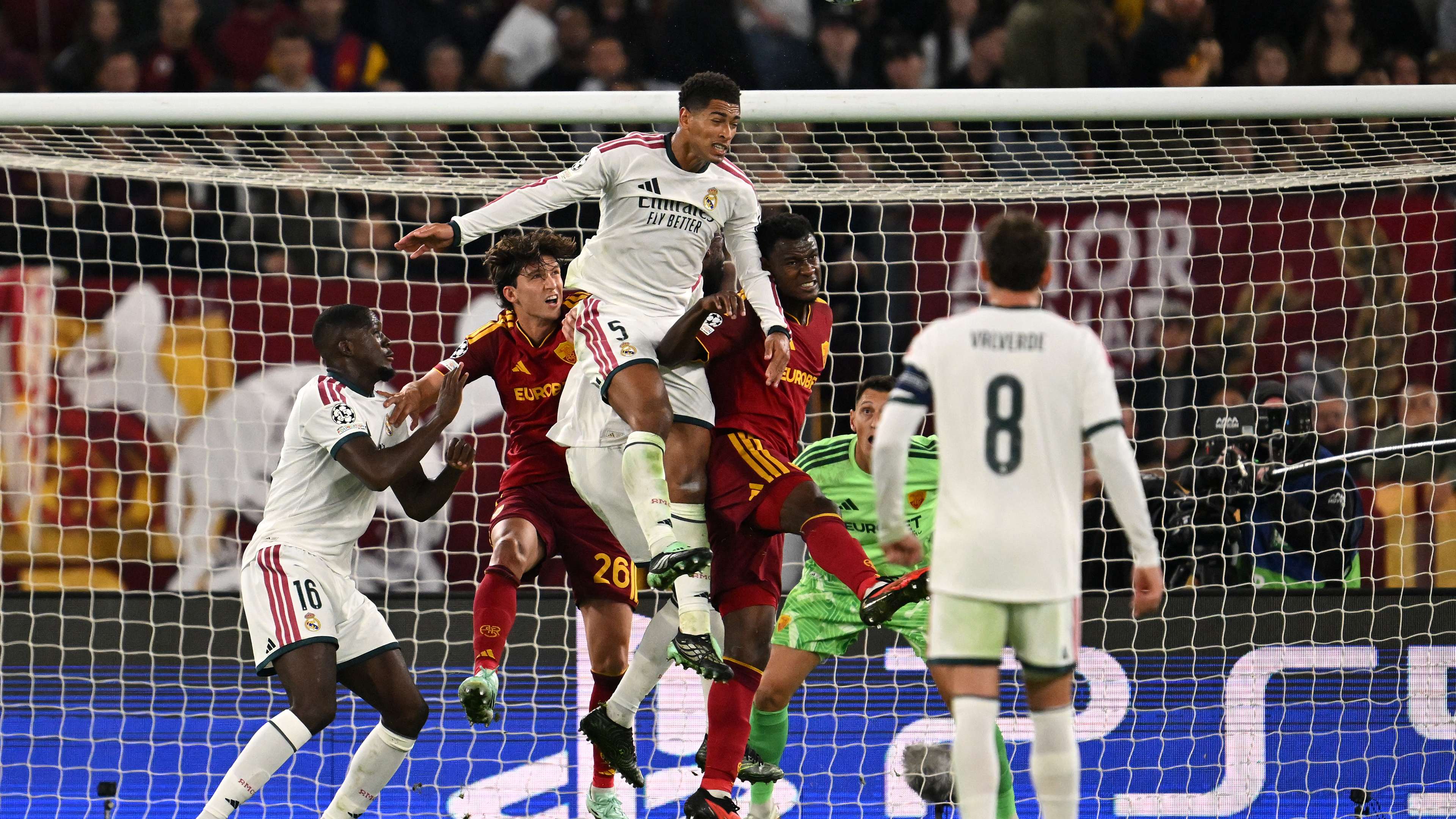
Lennart Karl’s Bayern Munich Slowdown: When Will the Young Winger Find His Spark Again?
A year ago, Lennart Karl seemed to make every appearance for Bayern Munich feel like an occasion. The teenage winger announced himself with a spectacular Champions League goal, then followed it with more eye-catching performances that made him one of European football’s most talked-about young talents. Now, after injury, a missed World Cup and a difficult return to action, the question is no longer how quickly he can rise—but when he will rediscover the confidence and freedom that made him so exciting.
Karl’s recent struggles have prompted talk of a dip in form, particularly after a difficult Champions League outing against Viking Stavanger. But a short spell of uneven performances should not obscure the bigger picture: he is still only 18, and his development has already been shaped by extraordinary highs, intense scrutiny and significant physical setbacks.
From Champions League sensation to a demanding second season
Karl’s breakthrough came against Club Brugge, when he scored his first goal for Bayern’s senior team. The finish was as memorable as the moment: he drove past a defender before guiding a precise shot into the top-right corner. Bayern supporters voted it the club’s goal of the month for October, while the strike made him the youngest German player to score in the Champions League.
He kept the momentum going. Goals against Arsenal and Sporting Lisbon made him the youngest footballer to score in three consecutive Champions League matches, surpassing a record previously associated with Kylian Mbappé. Karl played with a rare sense of ease, taking on defenders without hesitation and showing the confidence to attempt difficult finishes.
His sudden fame brought attention beyond the pitch. Television pundit Micah Richards celebrated the teenager with a poem, while Karl’s winter-break description of Real Madrid as his “dream club” sparked debate. Later, a striking all-pink outfit at the Allianz Arena and an exuberant celebration against Elversberg also became talking points. These moments were not necessarily signs of a problem, but they added to the scrutiny surrounding a player whose every gesture was now being interpreted.
A difficult start after injury and a missed World Cup
Karl’s first season still delivered substantial evidence of his potential. He accumulated 1,984 minutes for Bayern and contributed to 17 goals, an impressive return for a young player adapting to senior football. Germany coach Julian Nagelsmann selected him for the World Cup squad and even raised the possibility of a starting role.
Then came the setback. Karl suffered a muscle injury during training with Germany and left the camp in tears. Instead of preparing for the tournament, he faced rehabilitation. The injury followed an earlier thigh problem that had interrupted his progress during the second half of the previous campaign, making his recovery especially important.
He also missed Bayern’s pre-season, returning only as a substitute in the Bundesliga opener against Stuttgart. That absence meant he had to build match fitness while the competitive schedule was already underway—a difficult task for any player, let alone an 18-year-old expected to influence games immediately.
Why the Stavanger performance raised concern
Against Viking Stavanger, coach Vincent Kompany gave Karl his third start of the season. The winger struggled to make an impact, recording two harmless shots, no successful dribbles and no duels won. His pressing was also ineffective during the build-up to the opposition’s second goal. Kompany replaced him at half-time in a 3-3 draw.
The performance was a clear contrast with the fearless player who had lit up the Champions League the previous autumn. Yet one difficult night is not enough to define his season. Karl has had limited time to regain rhythm, and the Stavanger match came amid a broader period of instability for Bayern’s attacking options.
His goal against Elversberg had offered a possible turning point, but the match ended awkwardly for him. After celebrating in front of the home supporters, he was removed during a quadruple substitution shortly after Elversberg equalised. Bayern eventually won 2-1, and the reshaped team looked more effective. Karl was subsequently unavailable for the strong performance against Union Berlin because of muscular discomfort, further interrupting his attempt to build consistency.
What Karl needs to rediscover—and what he can improve
Karl’s greatest strength is also part of the challenge. He plays with ambition: he tries to beat defenders, create chances and shoot rather than simply choose the safest option. That instinct can produce spectacular moments, but it also means his influence may fluctuate more than that of a cautious winger. When confidence is high, his risks can change a match. When it is low, the same decisions can look forced.
For now, patience matters. An 18-year-old returning from injury should not be judged as though he were an established senior player. Bayern and Germany have already seen enough to understand his potential, but the next stage of his development will depend on building reliable habits alongside his natural flair. His work without the ball—especially pressing, positioning and competing in duels—offers a practical way to contribute even when dribbling opportunities are limited.
The external noise is another factor. Comments about a dream club, bold celebrations and distinctive fashion can attract attention, but they can also make every quiet performance seem more significant. Karl does not need to become less expressive; he needs the space to learn how to handle the attention while keeping his focus on football.
Bayern’s attacking situation could create another opportunity
Bayern’s squad circumstances may give Karl further chances. Jamal Musiala is still working towards a return, Serge Gnabry is rebuilding his form after injury, and Luis Díaz has looked short of his best. Michael Olise is suspended for the upcoming Champions League meeting with Arsenal after his dismissal in Stavanger. Saibari, who replaced Karl at half-time, was also substituted later in the match.
That does not guarantee Karl a starting place, but it could provide an opening to make an impression. A demanding fixture against Arsenal would be a major test—and, potentially, the kind of stage on which a young attacker can regain momentum. The best prediction is not that Karl will instantly repeat his breakthrough run, but that Bayern are likely to keep giving him opportunities while their attacking options remain stretched.
Karl’s early career has already included a record-breaking goal, a rapid rise, injuries and the disappointment of missing a World Cup. His current dip is part of a much longer development story, not proof that his promise has vanished. If he can regain fitness, simplify his decisions when needed and bring greater consistency to his defensive work, the lightness that made him a Champions League sensation can return. At Bayern, the challenge now is to let that progress happen without turning every difficult match into a verdict on his future.