
Litton Das’ Fitness Remains Uncertain Ahead of Bangladesh’s First Test Against West Indies
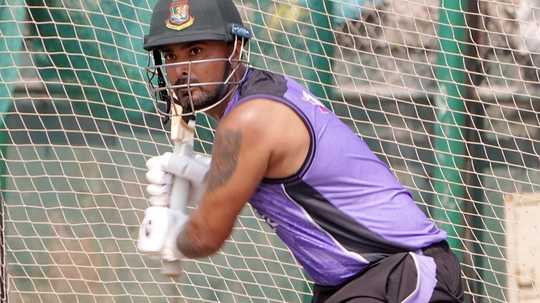
Bangladesh are still waiting for a clear answer on whether Litton Das will be fit to play the opening Test against West Indies, despite encouraging signs during a batting session on Sunday. The wicketkeeper-batter worked comfortably in the nets at the BCB Academy, facing deliveries and striking several powerful shots as he continues his recovery from a hip injury.
The first Test is scheduled to begin at the Sher-e-Bangla National Cricket Stadium on October 28. Litton’s availability has become a key talking point as Bangladesh prepare for the two-match series, with the team balancing the value of his experience against the risk of aggravating an injury that has already disrupted his recent cricket schedule.
Promising net session, but no final fitness verdict
Litton’s smooth movement and confident strokeplay offered a positive indication that his condition has improved. However, a strong session in the nets does not necessarily mean a player is ready for the intensity of a Test match, which can require long periods of batting, wicketkeeping and fielding across several days.
A member of Bangladesh’s selection panel said the team could not yet confirm whether Litton would be available for the series opener. His chances were described as “50-50,” with the management planning to monitor his progress before making a final decision. The selectors are hopeful he can recover in time, given his importance to the side, but have stopped short of declaring him fit.
That cautious assessment reflects the difference between returning to training and meeting the physical demands of international cricket. Litton may be able to bat in controlled conditions, but the medical and coaching staff must also be confident that he can move freely, respond to sudden changes of direction and sustain his workload without a recurrence of pain.
Hip injury and wider workload concerns
Litton was ruled out of the recently completed tri-nation ODI series involving Zimbabwe and Afghanistan after developing inflammation in a gluteal muscle tendon near the hip joint. The inflammation has reportedly subsided and the pain has eased, providing a basis for his return to functional training.
Even so, the Bangladesh Cricket Board medical team is monitoring more than the immediate symptoms. Litton has experienced injury-related discomfort in recent times, and concerns remain about stiffness caused by limited mobility in some joints. Those issues are understood to be connected, at least in part, to the accumulated demands of a heavy playing workload.
Medical staff are also working to address muscular weaknesses and rebuild strength in the affected areas. These factors help explain why the board has not rushed to clear him after seeing him bat. A player can feel better and appear comfortable during a short practice session while still lacking the strength and mobility needed to cope with a five-day contest.
The team management had scheduled a fitness test for October 24, but that assessment was skipped. The decision suggests the medical staff wanted to allow Litton more time to progress rather than use a test before he was ready to meet the required benchmarks.
Bangladesh weigh the value of experience against injury risk
One team management member noted that Litton can now complete functional training, while stressing that this does not mean he is fully fit. The immediate objective, the official explained, is to establish whether he can meet the minimum physical requirements for selection. That process may take time, particularly because the staff must consider both his current condition and the likelihood of the injury returning.
Litton is reportedly eager to play, but his desire to take the field is only one part of the decision. Bangladesh’s management and senior BCB officials are expected to discuss whether selecting him for the opener would be a sensible risk. If he breaks down during the match, the consequences could extend beyond the first Test and potentially affect his availability for the remainder of the series and the team’s upcoming commitments.
For Bangladesh, the decision also carries a cricketing dimension. Litton is an experienced batter and wicketkeeper whose presence can strengthen the middle order and give the side additional flexibility. His ability to counterattack and change the pace of an innings can be valuable in Test cricket, especially when a team needs to recover from pressure or build momentum.
However, naming an underprepared player can leave a side short-handed. If Litton cannot keep wicket or move comfortably in the field, Bangladesh may need to adjust their balance or rely on another player to take on extra duties. The final selection will therefore depend not only on how well he bats in practice, but also on whether he can perform all the tasks expected of him across a demanding match.
Series schedule adds pressure to the decision
The second Test against West Indies is due to be played in Sylhet from November 5, giving Bangladesh another opportunity to assess Litton’s condition if he is not ready for the opener. Yet waiting for the second match would not automatically guarantee his selection; the medical staff will still need evidence that he has regained sufficient strength and mobility.
The schedule after the home series makes careful workload management even more important. Bangladesh are set to tour South Africa for two Tests, three one-day internationals and three T20 internationals, with the tour beginning on November 15. A premature return against West Indies could increase the chance of a setback just before a demanding multi-format assignment.
For now, Litton’s recovery offers grounds for cautious optimism, but not certainty. His comfortable net session is an encouraging step, while the unresolved questions around strength, stiffness and match readiness remain significant. Bangladesh’s selection decision—and any prediction about whether he will feature in the opening Test—will depend on his progress in the days ahead, with the team likely to prioritize long-term fitness over a rushed return.