
Ansu Fati Suffers Fresh Injury Setback in Monaco’s Clash With Lille
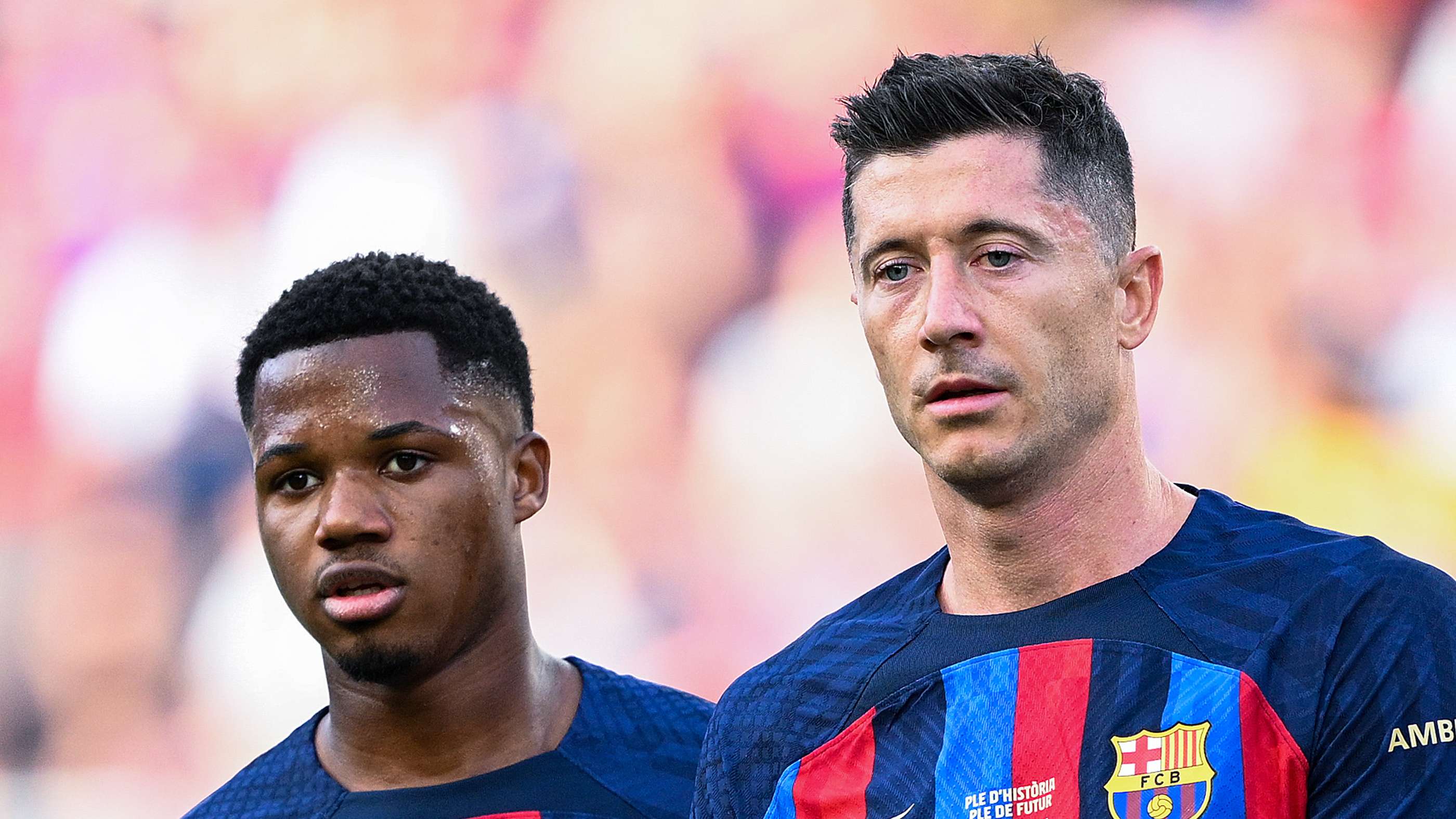
Ansu Fati’s attempt to rebuild his career at Monaco has been interrupted by another worrying injury. The former Barcelona forward was forced off early in Sunday’s French league meeting with Lille after feeling pain in the back of his right leg, raising fresh questions about his fitness and availability in the weeks ahead.
According to Spanish newspaper Sport, Fati lasted only around 15 minutes before asking to be substituted. He was able to leave the pitch without assistance, but looked visibly frustrated as he headed toward the touchline. Monaco are expected to assess him and carry out medical tests before confirming the nature of the problem or providing a recovery timetable.
Medical tests will determine the extent of the injury
The initial signs point toward a possible muscle injury, although that remains unconfirmed. Pain in the back of the leg can be associated with several issues, and a diagnosis will depend on the results of the club’s examination. Until Monaco releases more information, it is too early to say whether Fati faces a short absence or a longer spell on the sidelines.
The uncertainty is particularly difficult for the forward because he had only recently begun to build momentum. After a challenging period marked by physical problems and limited continuity, Fati had started to feature more regularly and show glimpses of the sharpness that once made him one of European football’s most exciting young prospects.
Encouraging form interrupted at a crucial moment
Fati’s recent performances had offered genuine cause for optimism. He scored twice in his previous three matches, a return that suggested his instinct in front of goal remained intact. Those goals mattered not only for Monaco’s attack but also for a player seeking to restore confidence after months of uncertainty.
For a forward, consistent minutes can be as important as individual moments of brilliance. Regular appearances allow a player to build rhythm, improve understanding with teammates and regain trust in his body. Fati appeared to be making progress on all three fronts, gradually moving beyond the stop-start pattern that has repeatedly disrupted his career.
That is why the timing of this latest setback feels especially harsh. The concern is not simply how many matches he might miss. Another absence could interrupt the progress he had made and make it harder to secure a sustained role in Monaco’s plans. Even a relatively minor injury can have a wider impact when a player is trying to establish consistency after a long period out.
Monaco move was intended to offer a fresh start
Fati’s move to Monaco represented an opportunity to begin again away from the intense spotlight surrounding his Barcelona career. Once celebrated as a potential long-term attacking star at the Spanish club, he has had to contend with repeated injuries that limited his development and prevented him from maintaining a regular place in the side.
A change of environment can help a player regain confidence, but it cannot remove the need for sustained fitness. At Monaco, Fati had begun to find a more prominent role and show that he could contribute in the final third. His recent goals were an encouraging sign that he could still influence matches when given the chance.
Monaco will now have to balance caution with the player’s desire to return quickly. Muscle injuries require careful assessment, and rushing a comeback can increase the risk of further complications. The club’s medical staff are likely to focus first on identifying the precise issue before deciding how to manage his recovery and training workload.
Why continuity matters for Fati’s future
Fati’s situation illustrates how recurring fitness problems can shape a football career beyond the time spent in the treatment room. Each interruption can affect match sharpness, confidence and a player’s ability to build momentum. For an attacker whose game depends on acceleration, movement and quick decisions, returning to full intensity often takes time even after medical clearance.
His recent scoring form showed that the quality remains. Fati still has the ability to make dangerous runs, find space in the penalty area and finish chances. The challenge is turning those flashes into a reliable run of performances—something that becomes difficult when injuries repeatedly break up his season.
For Monaco, the immediate priority is obtaining a clear diagnosis and understanding how long Fati may be unavailable. His absence could affect the club’s attacking options, particularly if the injury rules him out of upcoming league fixtures. The wider impact will depend on the severity of the problem and whether he can return without losing the progress he had made.
What comes next for the Monaco forward?
Until the medical results are known, any prediction about Fati’s return date would be premature. If the issue proves minor, he may be able to resume training after a short recovery period. A more serious muscle injury, however, could require a longer rehabilitation plan and a gradual return to competitive football.
For now, the focus is on diagnosis rather than speculation. Fati will hope the pain is not a sign of another lengthy layoff, while Monaco will want to protect a player who had begun to contribute at an important stage of his campaign. His ability to regain fitness and return to the form he showed in recent matches could be significant for both his role at the club and his wider career prospects.
Fati’s departure against Lille was a disappointing moment in a season that had recently begun to turn in a more positive direction. He had scored, gained confidence and started to look like a forward capable of making a difference again. The coming medical assessment will determine whether this is a brief interruption or another major obstacle. Either way, the central challenge remains the same: finding the sustained fitness needed to let his football talent speak for itself.