
Michael Carrick Reflects on Manchester United’s 3-0 Defeat to Bournemouth
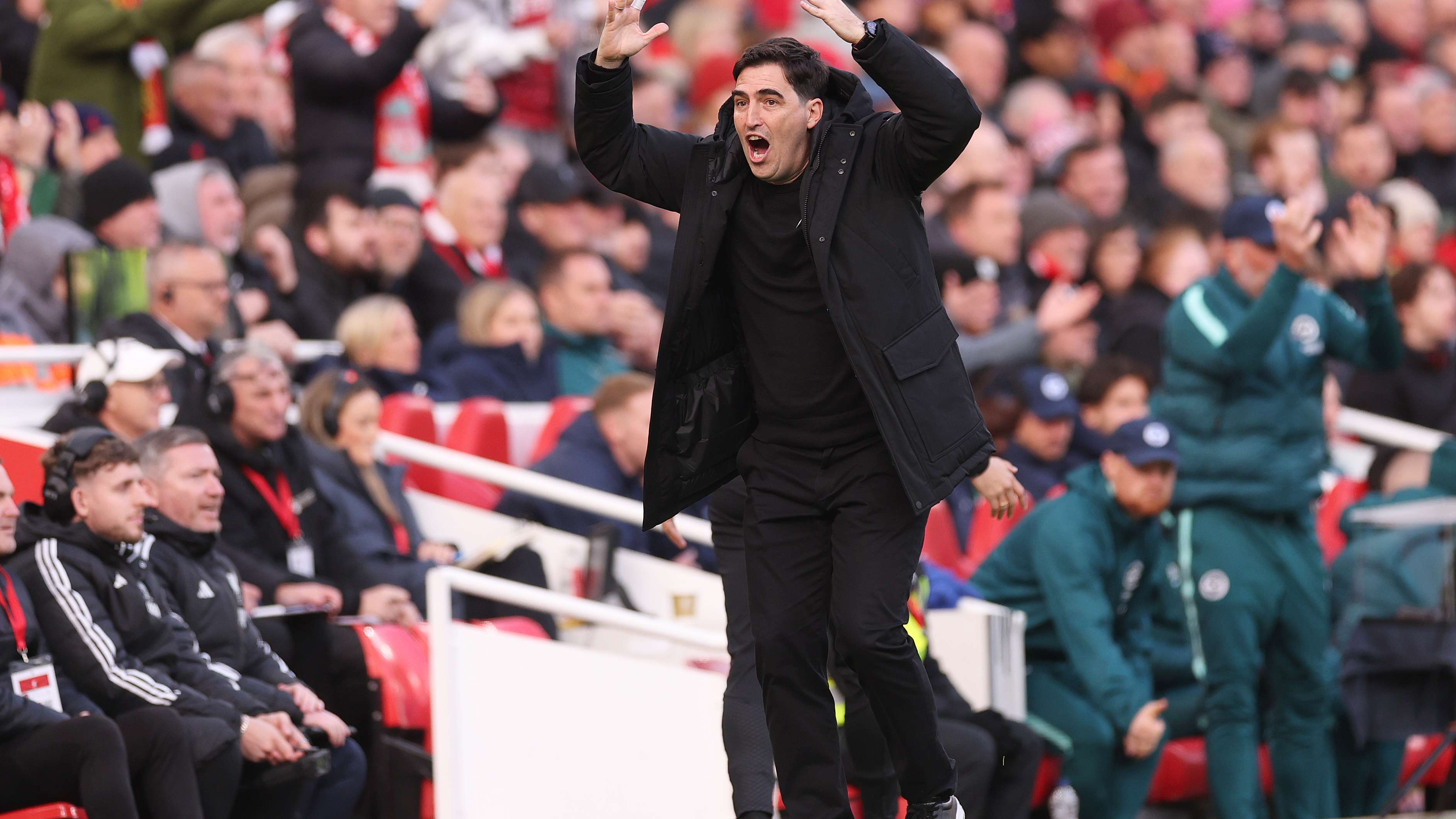
Manchester United manager Michael Carrick described the mood at Old Trafford as painful and difficult to process after his side suffered a 3-0 Premier League defeat to Bournemouth. The loss left United searching for answers, while Carrick acknowledged that the performance and result fell well below the standards expected by the club’s supporters.
Speaking after Sunday’s match, Carrick said the players were disappointed and hurting. He stressed that the defeat was not simply about the scoreline: it was also about the team’s inability to find a way back into the contest when the crowd was waiting for a response. For a club under intense scrutiny, the result adds further pressure and makes the next fixtures especially important.
Key Moments Shifted the Match
Carrick pointed to two incidents that affected the course of the game. One involved young defender Leny Yoro, who slipped during a Bournemouth attack, while another concerned a free-kick awarded against Ayden Heaven. The United manager questioned whether the contact on Heaven was sufficient for a foul, although he did not suggest that those moments alone explained the defeat.
“I didn’t think anyone was close enough to him for a free-kick to be given,” Carrick said, according to the BBC. He described Yoro’s slip as unfortunate and was keen to protect the young defender from excessive criticism. Carrick noted that Yoro is talented and has a promising future, adding that mistakes and difficult moments are part of a player’s development.
That message may be important for a United squad navigating a challenging spell. A defensive error can quickly become a defining talking point after a heavy loss, but Carrick’s comments suggested he wants the focus to remain on collective improvement rather than placing the blame on one player. In football, individual mistakes are often punished, yet teams still need the structure and resilience to recover from them.
Third Goal Ends United’s Hopes of a Comeback
The manager also highlighted the significance of Bournemouth’s third goal. United had entered the second half needing a breakthrough, and Carrick believed that even one goal could have changed the atmosphere inside Old Trafford. A goal might have lifted the home crowd and given the players renewed belief, but United could not create the moment they needed.
Instead, Bournemouth’s third strike acted as a decisive blow. Carrick said the supporters were waiting for United to score, but once the visitors extended their advantage, the prospect of a comeback faded. The goal appeared to settle the contest and left the home side with little time or momentum to alter the outcome.
That inability to respond will be a concern for United. Strong teams are often judged not only by how they start matches, but by how they react when setbacks arrive. Carrick’s assessment suggests the players understood the importance of finding a spark, but struggled to produce the chance or finish that could have brought the stadium back into the game.
Carrick Acknowledges the Pressure at Manchester United
After the final whistle, Carrick described his emotions as mixed and said the ending was far from satisfying. He explained that the squad had faced disruption before the match and that the effects were visible on the pitch. Even so, he recognised that supporters would judge the team on what happened during the 90 minutes.
“It’s a bad feeling when you see the disappointment,” Carrick said, reflecting on the players’ reaction. He added that the club must accept the reality of the situation rather than avoid it. His remarks conveyed the weight of managing Manchester United, where every result is examined closely and poor performances can quickly become part of a wider debate about direction, confidence and expectations.
Carrick also spoke personally about his connection to the club, saying he felt a strong responsibility after spending a long time there. He said the circumstances were painful, but emphasised that his concern was for Manchester United rather than for himself. His comments underline the emotional intensity surrounding a club where former players and staff can feel a deep attachment to its fortunes.
Fernandes Decision and Supporter Reaction
Carrick was asked why Bruno Fernandes remained on the bench. He responded that managers must make decisions they believe could influence the course of a match, while acknowledging that the choices made on this occasion did not produce the result United needed. He did not offer an extended explanation, but the question is likely to remain part of the post-match discussion given Fernandes’ importance to the team.
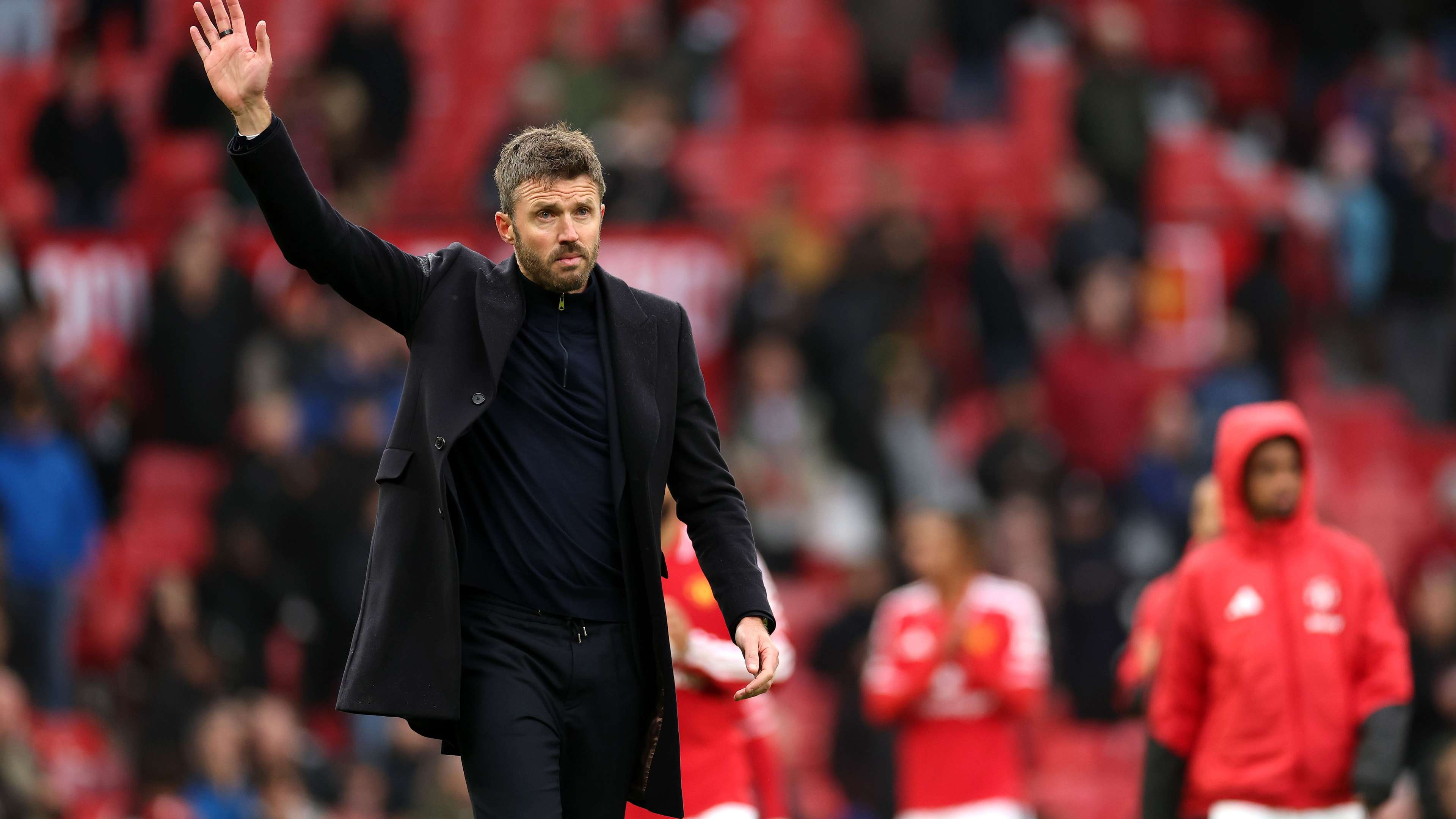
The players’ walk around the pitch after the match also prompted questions about the relationship between the squad and the supporters. Carrick rejected the suggestion that it was a farewell gesture from him. Instead, he described the moment as emotionally complicated, saying he felt for the players and understood that the crowd’s reaction could be difficult to absorb.
He thanked the fans for their support while conceding that the team had not delivered the performances or results required. That acknowledgement reflects the tension at Old Trafford: supporters want to see commitment and progress, but patience can be tested when defeats arrive without a convincing response. Rebuilding trust will depend on what the team does next, not simply on what is said after a loss.
What Comes Next for United?
Manchester United now face a demanding run of fixtures, beginning with a Carabao Cup meeting with Aston Villa on October 29, followed by a Premier League match against Chelsea on October 31. Those games offer an immediate opportunity to respond, but they also bring significant pressure. A positive result could help restore confidence; another setback would intensify questions around the team’s form and Carrick’s plans.
Any prediction about United’s short-term prospects must account for the uncertainty surrounding their performances. The squad has shown that it can compete, but the Bournemouth defeat exposed weaknesses in concentration, attacking momentum and the ability to recover after conceding. Improving those areas will be essential if United are to turn frustration into a more consistent run of results.
Carrick said he would continue to give everything for the club and would not step away from that responsibility. He also admitted that he could not yet say exactly what would happen next. For United, the clearest answer will come on the pitch: the upcoming matches will show whether the players can respond to the disappointment, reconnect with their supporters and begin to move beyond a damaging afternoon at Old Trafford.