
Kovac Questions Dortmund’s Mentality After European Setback Against Bodø/Glimt
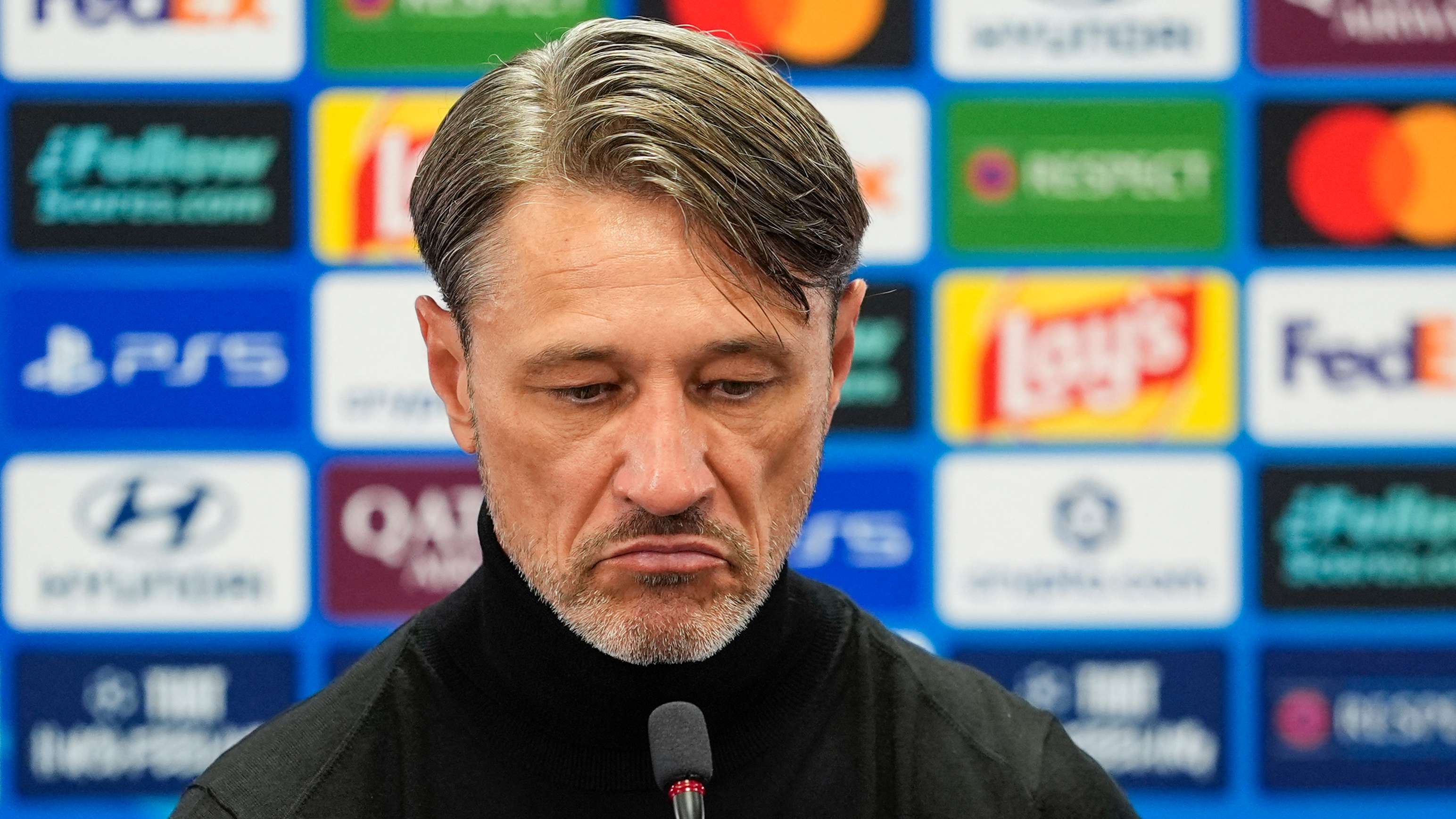
Borussia Dortmund head coach Niko Kovac refused to blame squad rotation after his team suffered a disappointing European defeat to Norwegian hosts Bodø/Glimt on Wednesday night. Instead, the Croatian manager focused on what he saw as a deeper problem: a lack of intensity and conviction from his players at Aspmyra Stadion.
Dortmund arrived in Norway with the quality and experience to expect a stronger performance, but their display fell short of the standards associated with a club competing at the highest level of European football. The narrow loss was particularly frustrating because it came against a determined home side that made the most of its energy, organisation and familiarity with the conditions.
Kovac Rejects Rotation as an Excuse
Changes to the starting lineup inevitably became part of the post-match discussion. Coaches often rotate players during a demanding season, especially when domestic and European fixtures arrive in quick succession. However, Kovac made clear that the selection decisions were not a reason to overlook Dortmund’s shortcomings.
His response placed responsibility on the players who took the field. Rotation may alter a team’s rhythm, but it does not remove the need for concentration, commitment and competitive edge. Kovac’s criticism suggested that Dortmund failed to bring those qualities consistently enough to the contest.
That message matters beyond a single result. At a club with Dortmund’s ambitions, squad depth is expected to help maintain performance levels across a long campaign. Players who receive opportunities in a rotated side have a chance to strengthen their claims for regular selection. A flat display, by contrast, can raise questions about whether the team’s standards are being upheld throughout the squad.
A Demanding Night at Aspmyra Stadion
Playing away to Bodø/Glimt presents a distinctive challenge. Aspmyra Stadion is a compact venue, and visiting teams must adjust to an unfamiliar setting as well as a home side that is comfortable playing there. The Norwegian club’s energy can make the match feel intense from the opening stages, particularly when Dortmund are unable to settle into their preferred passing rhythm.
Those factors help explain why the fixture was difficult, but they do not erase the performance concerns identified by Kovac. Dortmund are expected to adapt when the surroundings are unfamiliar. European competition regularly takes teams into different climates, stadiums and styles of play, and the ability to respond is part of what separates contenders from sides that merely rely on reputation.
Bodø/Glimt deserve credit for making the most of their opportunity. Their disciplined approach and determination put pressure on Dortmund, while the hosts’ willingness to compete for every ball helped turn the match into a demanding test. For the Bundesliga visitors, the challenge was to match that urgency and impose their own technical quality. On this occasion, they did not do so well enough to avoid defeat.
Why Mentality Became the Main Talking Point
Kovac’s comments focused not only on tactics but also on mentality. That distinction is significant. A team can struggle because of a poor formation or ineffective substitutions, but a manager who questions attitude is highlighting a broader issue: whether players are responding to the demands of the match with the necessary focus and determination.
For Dortmund, the concern will be whether this was an isolated off night or a sign of a more persistent inconsistency. Strong teams are not judged solely by their best performances. They are also assessed by how they handle difficult away games, recover from setbacks and find ways to compete when their usual approach is not working.
The defeat should therefore prompt an honest review inside the club. Dortmund will need to consider how effectively they dealt with the hosts’ pressure, whether they showed enough urgency in key moments and how quickly they were able to adjust when the match became uncomfortable. Those questions are more useful than simply blaming the travel, the venue or the team selection.
What the Result Means for Dortmund’s European Campaign
A narrow loss does not, by itself, define a European campaign. Its importance depends on the wider competition format, the results elsewhere and Dortmund’s response in their remaining fixtures. Still, dropping points away from home can increase pressure later, particularly if the team has to make up ground in a tightly contested group or league phase.
The result also offers a practical lesson for the squad. European football rarely gives teams the luxury of building confidence at their own pace. A slow start or a lack of intensity can quickly allow a motivated opponent to take control of the atmosphere and the contest. Dortmund will need to show greater composure and purpose in future matches if they want to turn their European ambitions into consistent results.
For supporters searching for football analysis, the central takeaway is clear: this was not simply a case of a rotated lineup being beaten by a difficult opponent. Kovac’s reaction indicates that the performance itself fell below expectations. The coach’s challenge now is to turn public criticism into a constructive response on the training ground and in the next match.
Prediction: Dortmund Must Respond Quickly
Any prediction about Dortmund’s next European performance will depend on how the squad responds to Kovac’s assessment. If the players treat the defeat as a warning and restore their intensity, the setback could become a useful turning point rather than the beginning of a wider problem. The club has the talent and experience to improve, but those qualities must be matched by discipline and effort.
The key indicators to watch will be Dortmund’s tempo, their willingness to press and their ability to remain focused when opponents challenge them physically. A stronger start would help the team avoid giving rivals early encouragement, while improved decision-making could make the difference in tight away fixtures.
Kovac has made his position unmistakable: rotation is not a defence for a lacklustre performance. Dortmund must now provide the response on the pitch. Their next outing will offer an early indication of whether the defeat at Aspmyra Stadion was a temporary lapse or a warning that the team needs to raise its standards across the full squad.