
Harry Kane Left Out of FIFPRO’s 2026 World XI Despite Ballon d’Or Success
Harry Kane’s omission from the 2026 FIFPRO World XI has raised a familiar question among football supporters: can a player enjoy an outstanding individual season and still miss out when the world’s top professionals select their ideal team? The Bayern Munich striker, who claimed this year’s Ballon d’Or, was not included in the line-up announced by the International Federation of Professional Footballers on Monday.
The result is likely to fuel debate about how individual awards, team selections and positional voting measure success differently. Kane’s absence is particularly striking because the FIFPRO team is chosen by fellow professional footballers, rather than a panel of journalists or coaches. Yet the selection process rewards votes within specific positional groups, and a strong overall reputation does not guarantee a place.
The Complete 2026 FIFPRO World XI
The team features players from several of football’s leading clubs and national sides, with representation across Europe and beyond. Its attacking group is especially star-studded, while the midfield combines technical quality, experience and high-profile names.
Goalkeeper
David Raya — Arsenal and Spain
Defence
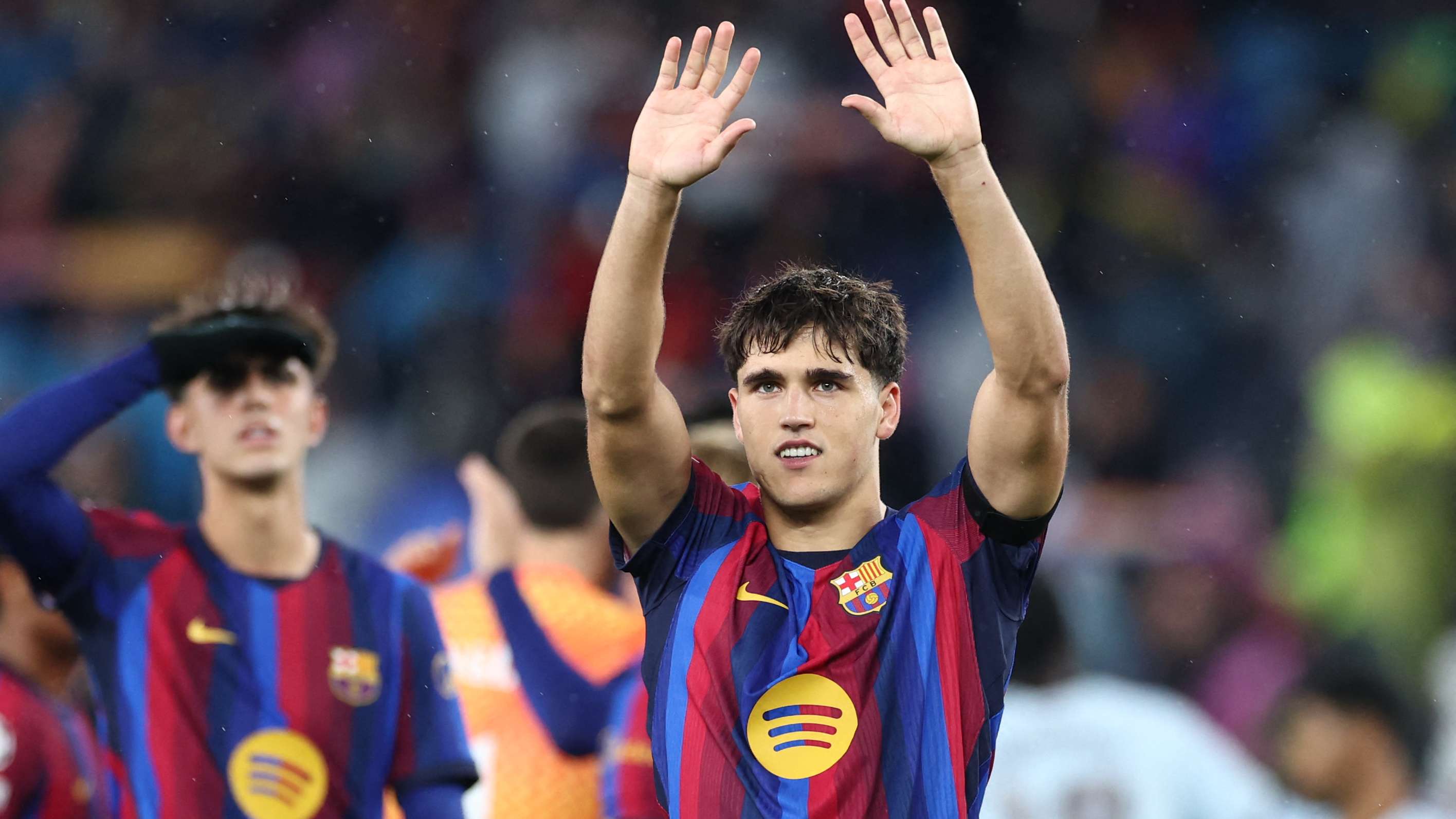
Pau Cubarsí — Barcelona and Spain
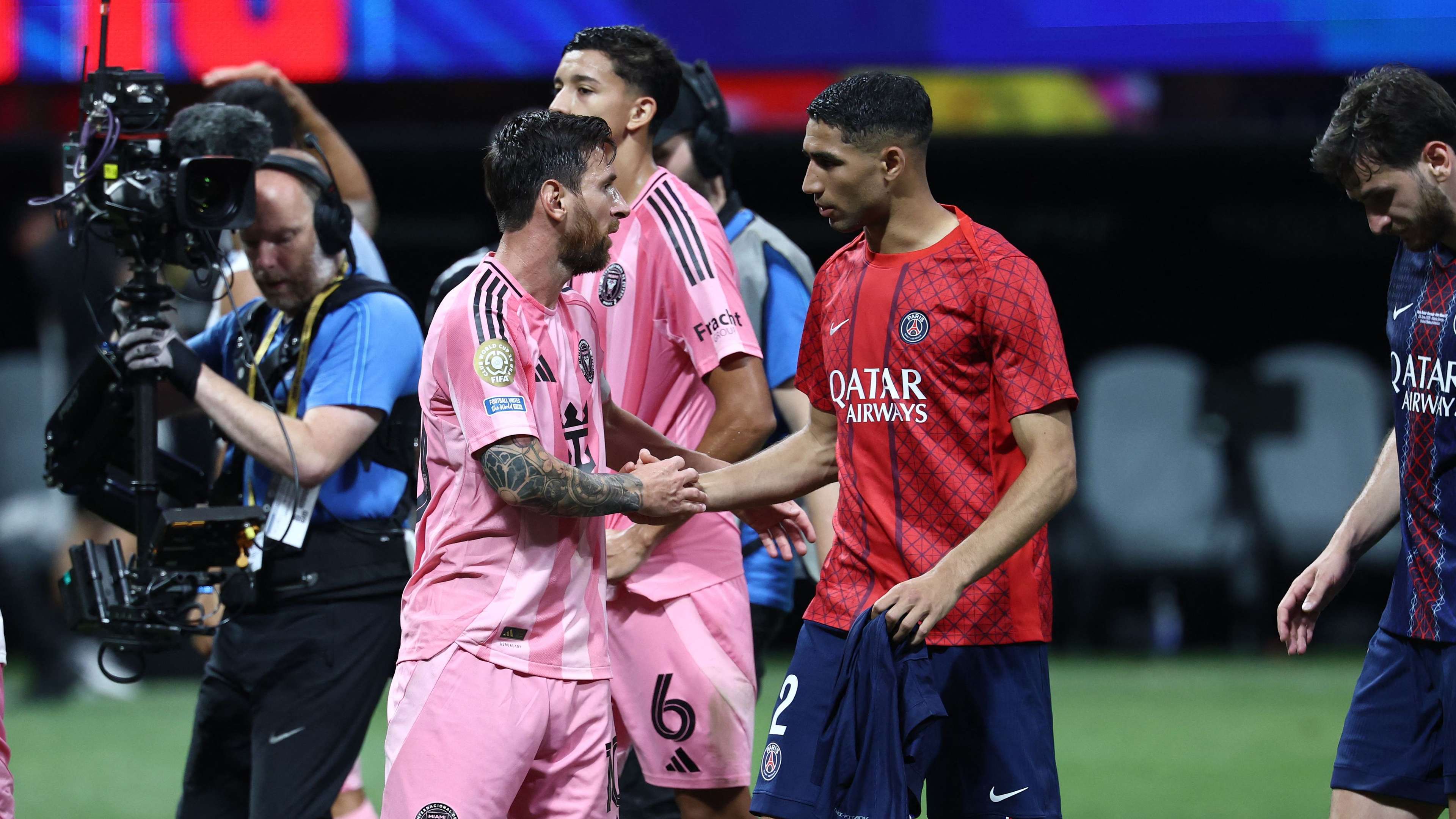
Achraf Hakimi — Paris Saint-Germain and Morocco
Nuno Mendes — Paris Saint-Germain and Portugal
Midfield
Jude Bellingham — Real Madrid and England
Rodri — Manchester City/Barcelona and Spain
Vitinha — Paris Saint-Germain and Portugal
Attack
Erling Haaland — Manchester City and Norway
Kylian Mbappé — Real Madrid and France
Lionel Messi — Inter Miami and Argentina
Lamine Yamal — Barcelona and Spain
The final selection contains eleven players, including four attackers. Under the voting rules, the first ten places are filled by the most-voted goalkeeper, three defenders, three midfielders and three forwards. The remaining place goes to the highest-ranked outfield player who has not already qualified, creating room for an additional attacker or another player from a different outfield position.
Why Kane’s Omission Stands Out
Kane’s absence is bound to attract attention because the England captain is among the most recognisable and productive centre-forwards in modern football. His Ballon d’Or triumph gives the discussion added weight, but the two honours are not necessarily based on identical criteria. A major individual award can recognise a player’s overall influence across a season, while a team-of-the-year vote depends on how many players select him within a particular position and how he compares with other eligible candidates.
That distinction matters in a year featuring forwards such as Haaland, Mbappé, Messi and Yamal. Each brings a different profile: Haaland is renowned for his penalty-area finishing, Mbappé for pace and one-on-one threat, Messi for playmaking and control, and Yamal for his creativity and impact at a young age. With four attacking places available, competition was exceptionally intense.
Position labels can also shape the outcome. Modern forwards often operate across several roles, moving between centre-forward, winger and deeper creative positions. A player’s classification may influence which group he competes in, while voters’ choices can reflect not only goals and assists but also influence on matches, consistency and performances against elite opposition. The published rules explain how places are allocated, but they do not make every individual voting preference visible.
How FIFPRO’s Voting Process Works
FIFPRO says professional footballers from 75 countries took part in the vote through a secure digital platform operated with its member player unions. The format gives players a direct role in recognising their peers, offering a perspective shaped by those who compete at the highest level of the game.
The assessment period ran from 4 August 2025 to 19 July 2026, inclusive. To be eligible, a player had to appear in at least 30 official matches during that window. This minimum threshold is intended to ensure that selections are based on a substantial body of competitive football rather than a brief run of form or a small number of standout appearances.
Each voter selected three players they considered the best in each of four categories: goalkeeper, defence, midfield and attack. The players with the highest vote totals in each category earned the corresponding positions in the team. Once the goalkeeper and the required numbers of defenders, midfielders and attackers were selected, the final place went to the outfield player with the strongest vote total among those remaining.
What the Selection Says About the Season
The line-up reflects the breadth of talent across contemporary football. Barcelona and Paris Saint-Germain each have multiple representatives, while Real Madrid, Manchester City, Arsenal and Inter Miami are also represented. The team brings together established stars, including Messi and Rodri, with younger players such as Cubarsí and Yamal, highlighting the balance between proven achievement and emerging influence.
For supporters, the announcement is best viewed as a snapshot of players’ opinions rather than a definitive ranking of every footballer’s season. Voting outcomes can be shaped by positional competition, eligibility rules and the choices of thousands of professionals. That means Kane’s omission does not erase his achievements or invalidate his Ballon d’Or success; instead, it shows how difficult it is to secure a place in a team built from a crowded field of elite candidates.
The selection is also an invitation to debate. Was Kane overlooked because the attacking competition was too strong, or did voters favour players whose styles and contributions stood out more clearly in their positions? There is no single answer in the published results. What is clear is that FIFPRO’s World XI remains one of football’s most closely watched peer-voted honours—and Kane’s absence has made the 2026 team one of its most discussed selections.