
Italy’s Football Community Celebrates Resilience and Paralympic Achievement at Coverciano
Coverciano welcomed a moving mix of personal stories, sporting success and national-team tradition when three young survivors of the Crans-Montana tragedy visited the Italian Football Federation’s Federal Technical Centre. Francesca, Kean and Leonardo spent the day at the home of Italian football, where they met national team head coach Roberto Mancini, received Azzurri shirts and shared lunch with players and Paralympic sporting figures.
The visit offered a moment of warmth and connection through football, while also highlighting the wider role the sport can play in bringing people together. The day carried a second milestone as Italy’s cerebral palsy (CP) national team arrived with the trophy it won at the world championship in England last July. The cup was presented to the Football Museum, adding a new chapter to the story of the Azzurri and Italian sport.
A special welcome for three young visitors
Francesca, Kean and Leonardo arrived at Coverciano late in the morning. They toured the Federal Technical Centre, a landmark venue for Italian football where national teams prepare and train, and were also scheduled to visit the Football Museum. Their itinerary brought them close to the history, people and daily work behind the national side.
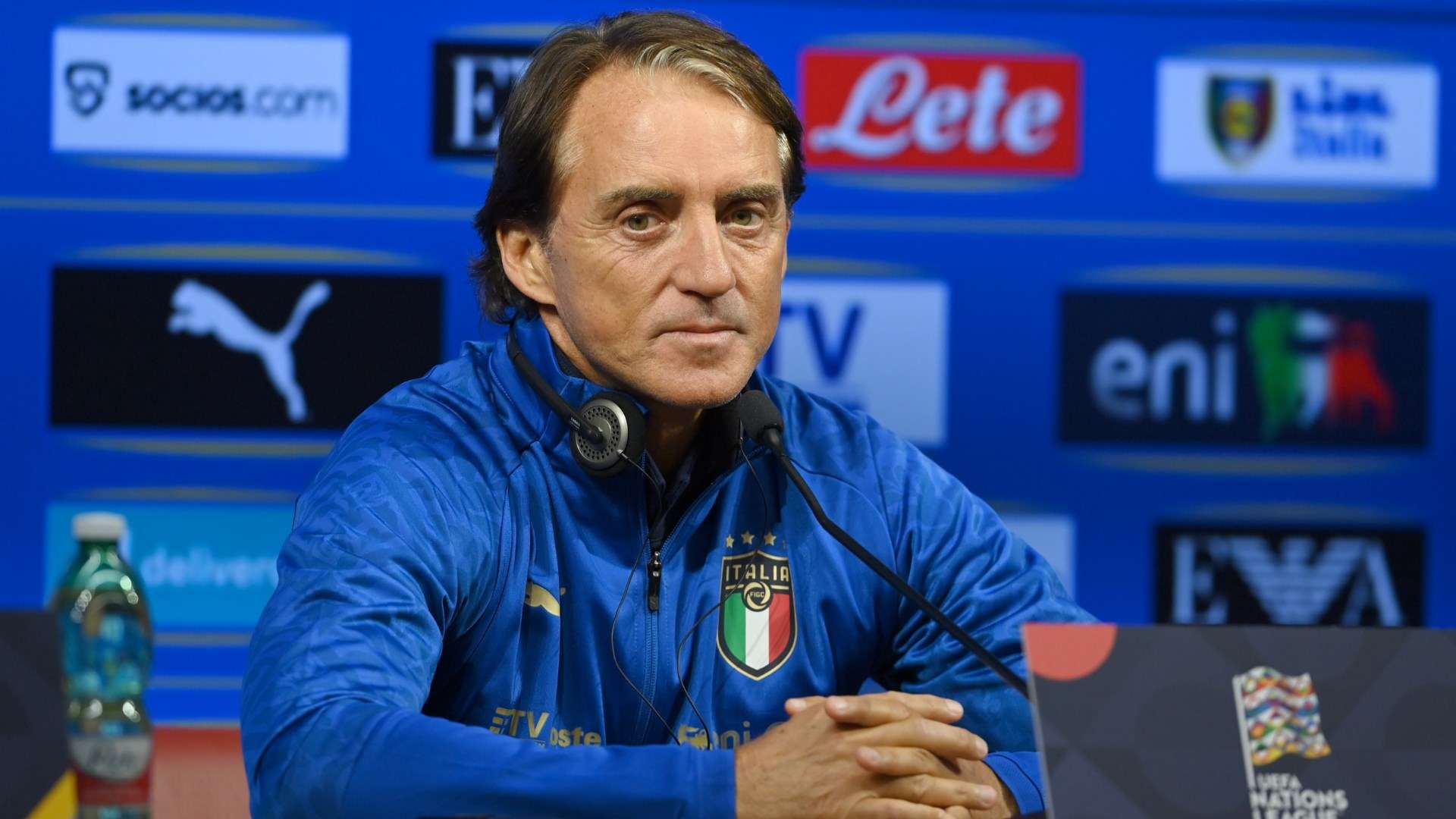
One of the day’s most memorable moments came when the three met Mancini. According to the Italian Football Federation, the coach chatted and joked with them before presenting each with a national team shirt. The gifts were chosen to represent the football idols they admire, turning a symbolic Azzurri jersey into a personal keepsake.
Club Italia president Claudio Ranieri and Azzurri team manager Gabriele Oriali joined Mancini in handing over the shirts. The gesture reflected the welcoming spirit of the visit and the importance of making the national team’s home accessible to supporters and guests whose stories deserve to be heard.
Football as a source of connection
For many fans, a national team shirt represents more than a piece of sportswear. It can stand for belonging, shared memories and the pride of seeing Italy compete on the international stage. For Francesca, Kean and Leonardo, receiving shirts linked to their football heroes made the visit especially personal.
The occasion also showed how football can create space for human connection beyond the result of a match. A conversation with a coach or a tour of a training centre may seem simple, but such experiences can make a powerful impression—particularly for young visitors meeting figures they have followed from afar.
Lunch with the Azzurri and Paralympic swimming representatives
At lunchtime, the three guests joined the Italian national team for a meal, sharing the table with Paralympic swimmer Luca Da Prato. He was accompanied by Roberto Bonanni, team leader and head coach of the Italian Paralympic swimming team. Their presence broadened the day’s focus from football alone to the achievements and experiences of Italian athletes across different sports.
Da Prato’s participation brought another perspective to the gathering, connecting the Azzurri with a champion from Paralympic swimming. Such encounters can help strengthen relationships between sporting communities and draw attention to the dedication involved in elite competition, whether success comes on a football pitch or in the pool.
For young visitors, meeting athletes from different disciplines can also offer a wider view of what sporting excellence looks like. Teamwork, persistence and preparation are common threads across sports, even when the rules, equipment and competitive demands differ.
CP national team brings its world title to Coverciano
While the visit was under way, another group arrived at Coverciano around lunchtime: Italy’s CP national team, carrying the trophy it won in England last July. The team claimed the world championship at the first international tournament held after the FIGC received recognition as a Paralympic federation.
The achievement marked an important step for the players and for the development of cerebral palsy football in Italy. Winning a world title is a major sporting accomplishment in its own right, but the timing also gave the success added significance: it came during a period of growing formal recognition and support for Paralympic football within the national football structure.
The team presented its trophy to the Football Museum, where it will become part of the collection documenting more than a century of Azzurri history. The display places the CP team’s triumph within the broader story of Italian football, recognising that the national game includes athletes and teams across a range of formats and abilities.
A wider story in Italian football history
Museums preserve more than trophies and match records. They help explain how sport evolves, which achievements have shaped its identity and whose stories are included in the national narrative. Adding the CP world championship trophy to the collection gives visitors a chance to learn about a team whose success may be less familiar to mainstream audiences but is no less worthy of recognition.
The presentation also sends a message about visibility. When Paralympic football achievements are placed alongside other milestones in the Football Museum, they become part of the shared history of the sport rather than a separate footnote. That recognition can encourage greater public interest, support and participation.
More than a ceremony
Coverciano’s day brought together several themes: resilience, sporting achievement, inclusion and the traditions of the Italian national team. The meeting with Francesca, Kean and Leonardo offered a personal and compassionate moment, while the CP team’s trophy presentation celebrated a landmark result for Paralympic football.
For football followers, the event was a reminder that the sport’s impact is not measured only through fixtures, tactics or a match prediction. It is also found in the relationships built around the game, the stories carried by its teams and the opportunities it creates for athletes and supporters to be recognised.
As the CP national team’s trophy becomes part of the Football Museum, it will stand as a lasting record of a historic victory. And for the three young visitors, the Azzurri shirts and their time at Coverciano will offer a different kind of memory: a day spent among the people and places that make Italian football a source of pride for generations of fans.