
Juventus CEO outlines transfer strategy and long-term vision at shareholders’ meeting
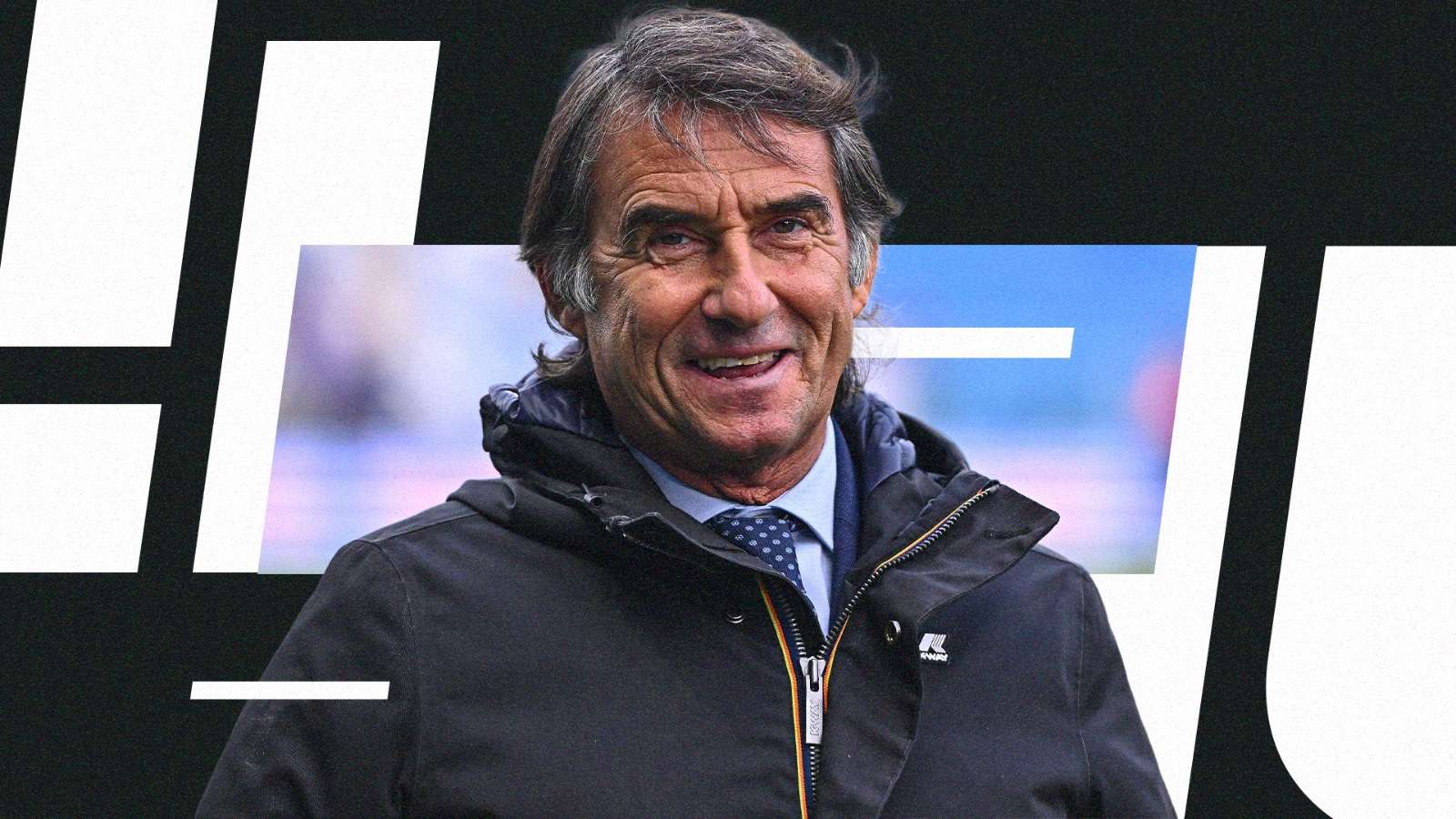
Juventus chief executive Giovanni Carnevali has used the club’s shareholders’ meeting to set out a cautious but ambitious direction for the future, highlighting youth development, Italian identity and disciplined transfer planning as central parts of the project.
Speaking as the Turin club continues to navigate financial and sporting challenges, Carnevali stressed that Juventus must build across every level of its football operation—not only the senior team. The plan, he said, includes the first team, the Next Gen side and the youth academy, with the aim of creating a more connected pathway from development football to the professional squad.
“We need to plan, work with young players and focus on Italian identity,” Carnevali said, according to Sportmediaset. “We have potential; the project encompasses the first team, Next Gen and the youth set-up.”
Juventus transfer plans shaped by financial limits
Carnevali’s comments offered a glimpse into how Juventus may approach future transfer windows. Rather than promising an expensive headline signing, the CEO indicated that recruitment will depend on what the club can realistically afford and what is available in the market.
Asked whether Juventus would sign a Ballon d’Or winner—a question referencing Cristiano Ronaldo—Carnevali replied: “We’ll buy whoever we can.” The remark was light in tone, but it also reflected the practical considerations facing the club as it works under financial restrictions.
Juventus have an agreement with UEFA that limits their room to manoeuvre. Carnevali acknowledged that the settlement prevents the club from acting as freely as it might wish, making careful budgeting and recruitment decisions essential. The agreement does not remove the need to strengthen the squad, but it means any transfer strategy must be planned with greater attention to costs, squad balance and long-term sustainability.
For supporters following the latest Juventus transfer news, that suggests a measured approach rather than an assumption that the club will pursue the most expensive names available. Juventus may need to identify players who can contribute immediately while also offering value over several seasons. Developing younger talent could help reduce reliance on costly external signings, though academy prospects typically need time and support before they can become regular first-team players.
Developing the next generation
The emphasis on young players points to a broader sporting strategy. Juventus’ Next Gen team is designed to give emerging footballers experience in senior competition and create a bridge between the academy and the first team. A well-functioning pathway can help the club assess prospects in a competitive environment before deciding whether they are ready for a larger role.
That model could be particularly important while financial restrictions remain in place. Homegrown players can provide squad depth, strengthen the club’s identity and potentially reduce the need to recruit in every position. The challenge, however, is turning potential into consistent performances at the highest level. Development requires patience, effective coaching and opportunities in meaningful matches.
Carnevali’s reference to Italian identity also signals a desire to maintain a strong connection to the club’s domestic roots. That does not necessarily mean Juventus will limit recruitment to Italian players; rather, it suggests that local talent and a recognisable club culture are expected to form part of the project alongside international recruitment.
Carnevali calls for commitment and respect
The CEO also addressed the club’s recent history, saying he was not seeking to criticise those who held responsibility before him. “I’m not criticising those who came before me; mistakes happen,” he said. He added that he would offer commitment and professionalism as Juventus works through its current difficulties.
His remarks were aimed at presenting the club’s challenges as a shared responsibility rather than an opportunity to assign blame. Juventus have faced scrutiny over sporting results, financial decisions and the direction of the club. Carnevali’s message was that rebuilding trust will require consistent work, clear planning and accountability over time.
He also recognised the role of supporters, noting that fans continue to help the club through difficult periods. “The fans help us through difficult times, and we must show them respect,” he said. That acknowledgement matters at a club where expectations are high and supporters closely follow decisions about transfers, performances and leadership.
What the Juventus prediction means for the season ahead
Carnevali did not offer a specific prediction about how quickly Juventus can return to the top of Italian and European football. Instead, his comments pointed to a longer-term process: operate within UEFA’s requirements, strengthen the squad carefully, invest in young players and build a more integrated structure across the club.
That approach may not produce an immediate blockbuster signing, but it could help Juventus create a more stable foundation. The key test will be whether the club can translate its stated priorities into visible progress on the pitch. Supporters will be watching to see how the transfer policy evolves, whether Next Gen players receive genuine opportunities and whether the first team can compete consistently while the financial agreement remains in force.
“We know the difficulties,” Carnevali said. “We have a settlement agreement with UEFA that prevents us from doing what we would like, but we will work hard to make Juve a great club.”
His message was therefore one of ambition tempered by realism. Juventus still intend to pursue success, but the route forward is likely to depend on smart recruitment, youth development and financial discipline rather than unrestricted spending. For now, the club’s transfer decisions—and the progress of its emerging players—will provide the clearest indication of whether Carnevali’s vision is taking shape.