
Scott McTominay Returns to Scotland Squad After Heart Surgery
Scott McTominay is back in the Scotland squad after a difficult spell away from football, with the midfielder named for two important UEFA Nations League fixtures in November. His return comes only months after heart surgery raised questions about when—or whether—he would be ready to play again.
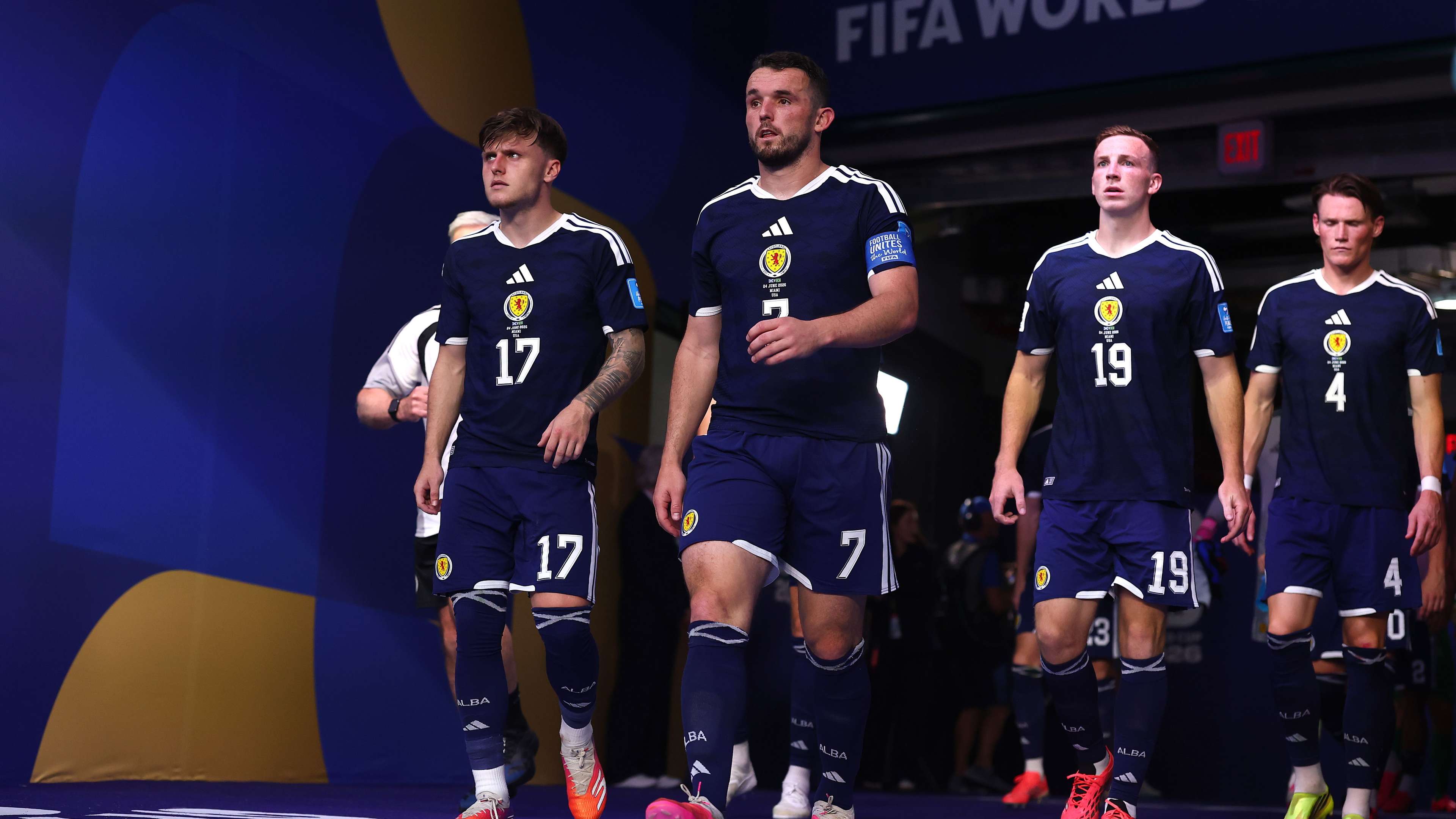
The 29-year-old is among three notable players recalled by head coach Steve Clarke, alongside defender Kieran Tierney and forward Che Adams. Scotland will host North Macedonia before travelling to face Switzerland, with both matches carrying significant weight in the team’s bid to improve its position in Nations League Group 2.
For McTominay, the call-up represents more than a routine return to international duty. It marks a major step in his recovery and offers Scotland a timely boost as the campaign reaches a decisive stage. His experience, physical presence and ability to contribute in both penalty areas could prove valuable in a pair of demanding fixtures.
A Significant Comeback After Heart Surgery
McTominay underwent a minor heart operation in September, an unexpected interruption to his season that kept him off the pitch and ruled him out of Scotland’s previous international window. Although the procedure was described as minor, any heart-related operation naturally prompted concern about his health and the timetable for a return to competitive football.
The midfielder has since indicated that he has recovered and is ready to resume playing. His selection suggests Scotland’s medical and coaching staff are satisfied with his progress, although his exact role and potential minutes will depend on his fitness and how he responds to training. A place in the squad is an encouraging sign, but the priority will be ensuring his return is managed carefully.
McTominay has become an influential figure for Scotland, bringing energy, strength and attacking threat from midfield. He can press opponents, compete for aerial balls and make late runs into the box—qualities that may be particularly useful against teams that defend compactly. His presence also gives Clarke another experienced option in a squad facing two very different tests.
Tierney and Adams Also Strengthen Clarke’s Options
McTominay is not the only key player returning. Tierney and Adams have also been included after recovering from injuries, giving Scotland reinforcements at the back and up front. Their availability could help Clarke restore balance across the team, especially with important points at stake in the closing stages of the group campaign.
Tierney’s return offers Scotland additional experience and flexibility in defence. Comfortable operating in different positions, he can provide defensive cover while also supporting attacks from wide areas. Adams, meanwhile, adds movement and a direct goal threat, giving the team another option when building attacks or looking to stretch opposition defenders.
The three returning players could therefore have an impact beyond their individual contributions. Their experience may help steady the side during high-pressure moments, while their different strengths give Clarke more tactical choices. Whether they start or feature from the bench, their inclusion deepens Scotland’s options at a crucial time.
James Penrice Earns a Chance to Make His Debut
Defender James Penrice is another notable name in the squad. Currently on loan at Rangers from Greek club AEK Athens, he has earned a call-up that could lead to his first senior appearance for Scotland. A debut would be a significant milestone and an opportunity to show how he can adapt to the demands of international football.
Penrice’s selection also reflects the value of squad depth as Scotland navigate a competitive group. International managers often need to balance established performers with players capable of bringing fresh energy or covering multiple positions. For Penrice, simply joining the senior squad provides a chance to train alongside experienced internationals and make a case for future involvement.
There are, however, absences to manage. Scott McKenna has been left out because of a back injury, while Lennon Miller, Josh Doig, Colby Donovan and James Wilson are also not included. Their omission means Clarke will have to assess his available combinations carefully, particularly if injuries or suspensions affect the squad during the window.
Scotland’s Nations League Position
Scotland enter the November fixtures third in Group 2, with four points from four matches. They are three points behind Slovenia and eight behind group leaders Switzerland, leaving little room for error if they hope to climb the standings. The results will shape the team’s finish in the group and could influence its wider Nations League outlook.
The first challenge is North Macedonia at home on 13 November. Scotland will be expected to make the most of their home advantage, but the visitors will be determined to disrupt the hosts and take points from the contest. A fast start, disciplined defending and effective use of possession could be important factors in deciding the match.
Three days later, Scotland travel to face Switzerland. The second fixture is likely to offer a tougher test, particularly against a side currently leading the group. Scotland may need to combine defensive organisation with quick, purposeful attacks, while making the most of set pieces and transitions.
Scotland Football Prediction: What McTominay’s Return Could Mean
Any Scotland football prediction for the November window must account for the uncertainty surrounding players returning from injury or surgery. McTominay’s selection is encouraging, but it does not automatically mean he will play the full 90 minutes in either match. Clarke may choose to reintroduce him gradually, depending on his fitness and the demands of each fixture.
If McTominay is ready to contribute, his return could improve Scotland’s midfield intensity and attacking threat. Tierney and Adams also give the squad more experience in key areas, while Penrice’s call-up adds an intriguing new option. Those changes may help Scotland compete more effectively, but the challenge remains substantial: North Macedonia cannot be taken lightly, and Switzerland’s position at the top of the group underlines the scale of the second test.
For supporters, the most significant story is McTominay’s return to the Scotland setup after a worrying interruption to his season. His comeback is a reminder of the personal and medical challenges that can sit behind a footballer’s absence. Now, with two important Nations League matches ahead, Scotland will hope his recovery—and the return of other key players—can translate into performances and points when they matter most.