
VAR Controversy Overshadows Real Betis vs Barcelona at La Cartuja
A dramatic moment at La Cartuja turned Real Betis’ celebrations into frustration, as a VAR review ruled out what appeared to be the Andalusian side’s equaliser against Barcelona. The decision, prompted by a possible handball by Cucho Hernández earlier in the move, quickly became the match’s main talking point and raised fresh questions about how football’s handball rules are applied.
Betis supporters believed Giovani Lo Celso had brought their team level at 2-2. The midfielder met the ball in the air and struck it first time with his left foot, sending it past Barcelona goalkeeper Joan García. The finish sparked an eruption of noise in the stands, with players and fans celebrating what looked like a crucial goal.
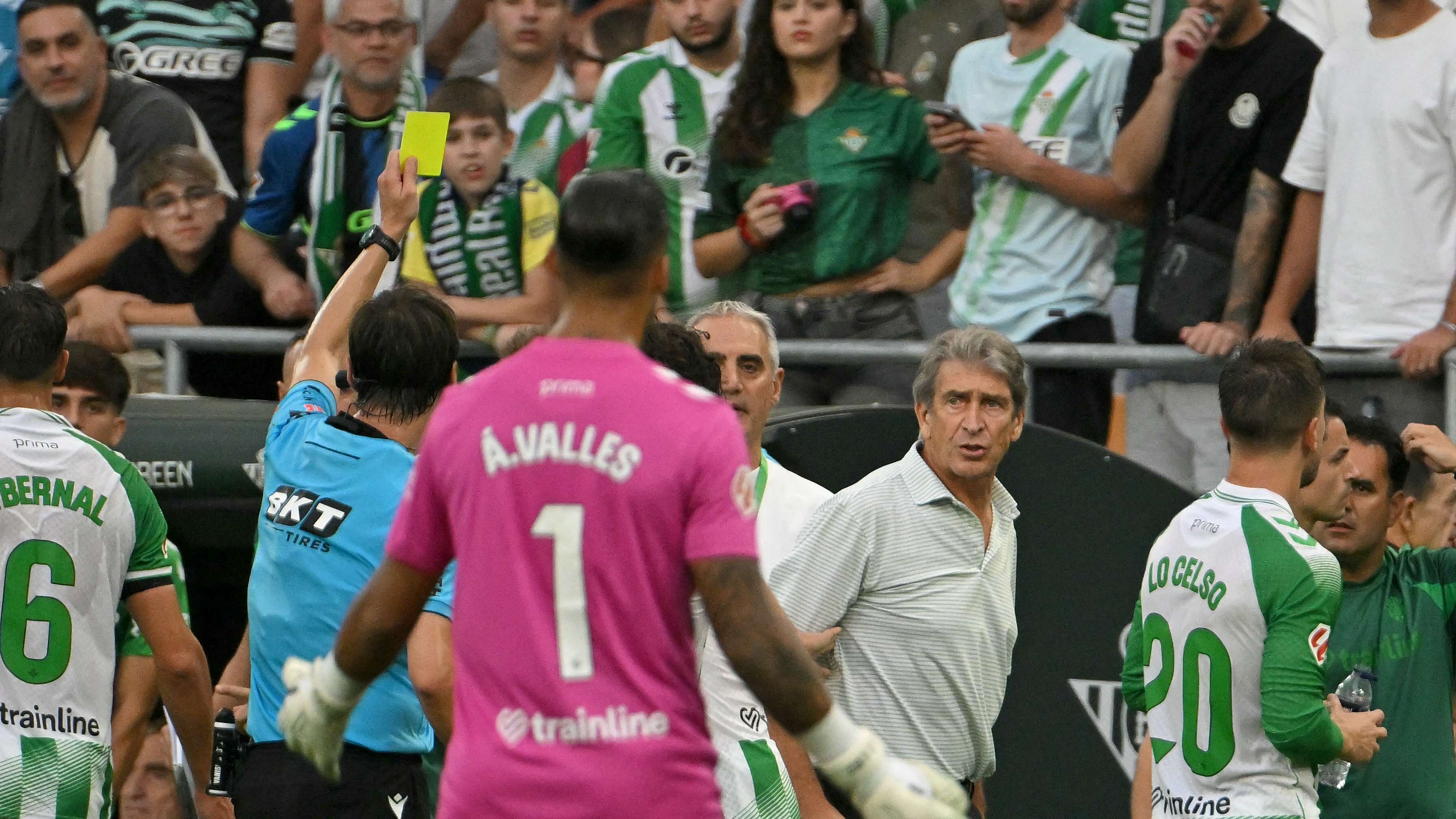
But the celebrations were short-lived. Referee De Burgos Bengoetxea paused the game and consulted the video assistant referee after officials identified a possible handball by Hernández at the beginning of the attacking sequence. After reviewing the footage, the referee disallowed Lo Celso’s goal, leaving Betis without the equaliser they thought they had scored.
Why Was Real Betis’ Goal Disallowed?
The decision focused not on Lo Celso’s finish, but on an earlier touch during the build-up. VAR reviews can examine whether an attacking team gained an advantage from a handball in the possession phase leading directly to a goal. If the officials conclude that the ball struck a player’s hand or arm before the scoring move, the goal may be ruled out under the Laws of the Game.
That framework can produce difficult judgment calls. The location of the arm, the distance between the players, the speed of the ball and whether the contact appears deliberate can all affect how an incident is assessed. Even when the footage is clear, deciding whether a touch meets the threshold for an offence may remain a matter of interpretation.
In this case, the review left Betis players and supporters questioning whether Hernández’s involvement genuinely justified cancelling the goal. The available account of the incident does not settle every detail of the contact, but the outcome was clear: the referee judged that the handball affected the attacking phase enough to prevent Lo Celso’s strike from counting.
How VAR Changed the Match’s Momentum
VAR is intended to correct clear and significant errors, particularly in high-impact situations such as goals, penalties and red cards. Yet reviews can also reshape the emotional rhythm of a match. Betis had appeared to complete a comeback, only for the stadium’s excitement to give way to disbelief while officials examined the replay.
For Barcelona, the ruling preserved their advantage at a moment when the home side had found a way back into the contest. For Betis, it meant losing both a goal and the momentum that often comes with levelling the score. The incident therefore carried consequences beyond the scoreboard, influencing the atmosphere and the tactical pressure on both teams.
These moments are especially significant in a close football match, where a single decision can alter how teams approach the final stages. A side chasing an equaliser may commit more players forward, while the team protecting its lead can focus on controlling possession and limiting space. That is why controversial VAR calls often remain part of the conversation long after the final whistle.
Lo Celso’s Finish Still Highlighted Betis’ Threat
Although the goal was disallowed, Lo Celso’s strike showed the quality Betis could bring to the attack. His quick reaction and clean left-footed finish turned a difficult aerial ball into a genuine scoring opportunity. The move also demonstrated why Barcelona could not afford to relax, even after taking the lead.
Hernández’s role in the build-up became the focus of the review, but the sequence itself reflected Betis’ determination to keep pressing. Against a team with Barcelona’s attacking talent, maintaining that threat can be essential. Betis needed to combine patience in possession with sharp movement in the final third, and the apparent equaliser suggested they were capable of doing so.
Barcelona, meanwhile, were left to manage a tense period in which Betis were pushing for a way back into the contest. Joan García had been beaten by Lo Celso’s effort before the intervention, underlining how quickly a match can turn when a team finds space around the penalty area.
What the Decision Means for Football Fans
The incident is likely to renew debate about consistency in handball decisions. Supporters often accept VAR when it corrects an obvious mistake, but frustration grows when a review depends on a fine distinction that is difficult to understand from the stands. Clearer explanations of the referee’s reasoning can help fans understand why a goal has been cancelled, even if they disagree with the final call.
For anyone considering a football prediction, controversial decisions are a reminder that match outcomes depend on more than form, possession or individual quality. A VAR review can change the scoreline, shift momentum and affect the way both teams play. Predictions should account for a side’s ability to respond under pressure, not just its attacking statistics.
Ultimately, the debate at La Cartuja centres on whether Hernández’s suspected handball was enough to invalidate the entire move. Betis will feel that Lo Celso’s finish deserved to stand, while the officials’ ruling reflects their interpretation of the handball rules. Whatever the verdict among supporters, the disallowed goal ensured that refereeing—not just the football—dominated the post-match discussion.
Barcelona and Betis: Upcoming Fixtures
Barcelona’s next listed fixture is a Champions League match against Paris Saint-Germain on 21 October 2026, scheduled for 03:00. Betis are due to face Feyenoord in the Champions League on 22 October 2026, also at 03:00. Both fixtures will offer the teams a chance to turn attention away from the La Cartuja controversy and focus on their next challenge.