
Italy Clarifies Medical Protocols After Cesc Fabregas Criticises Moise Kean Injury Handling
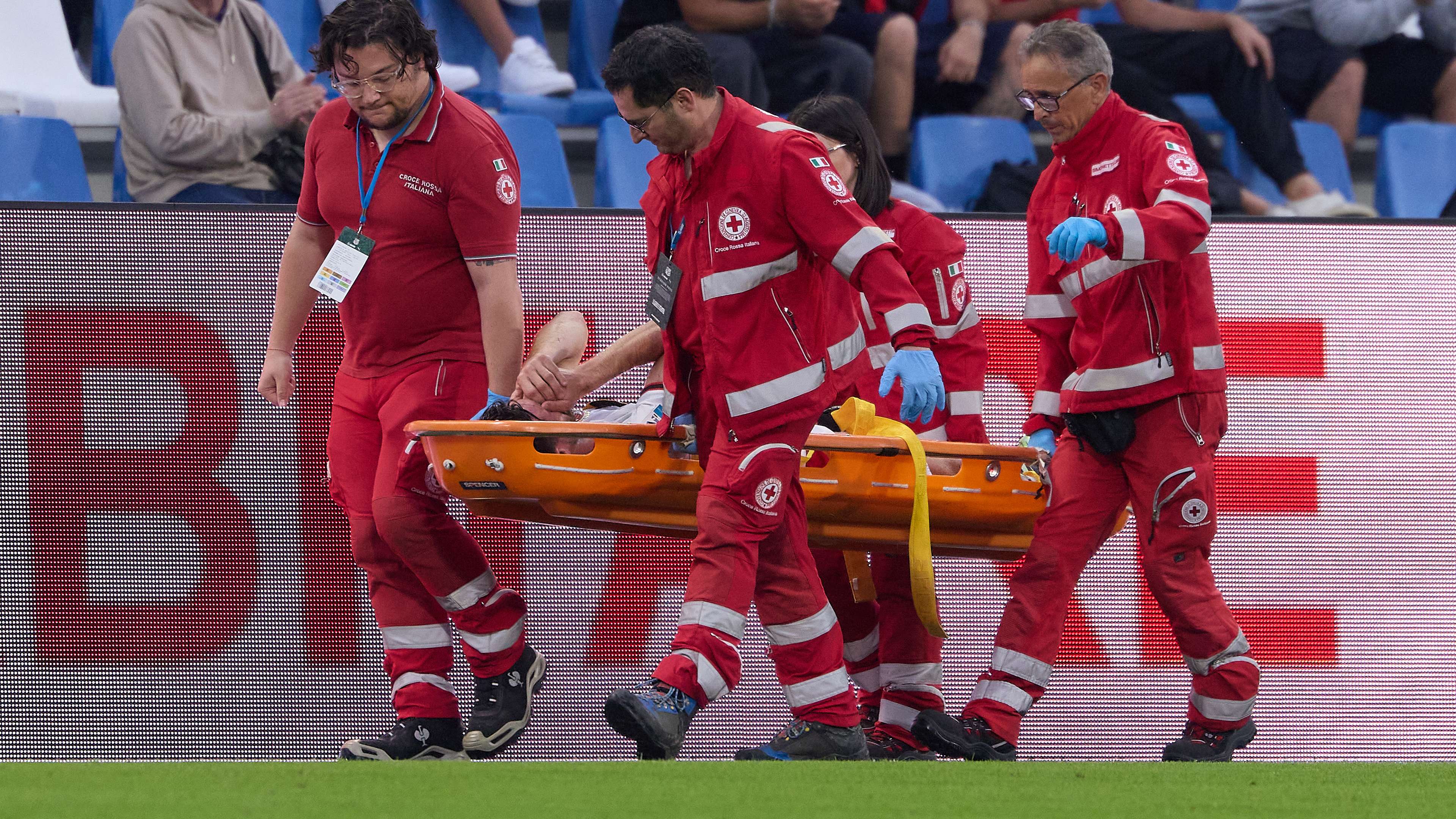
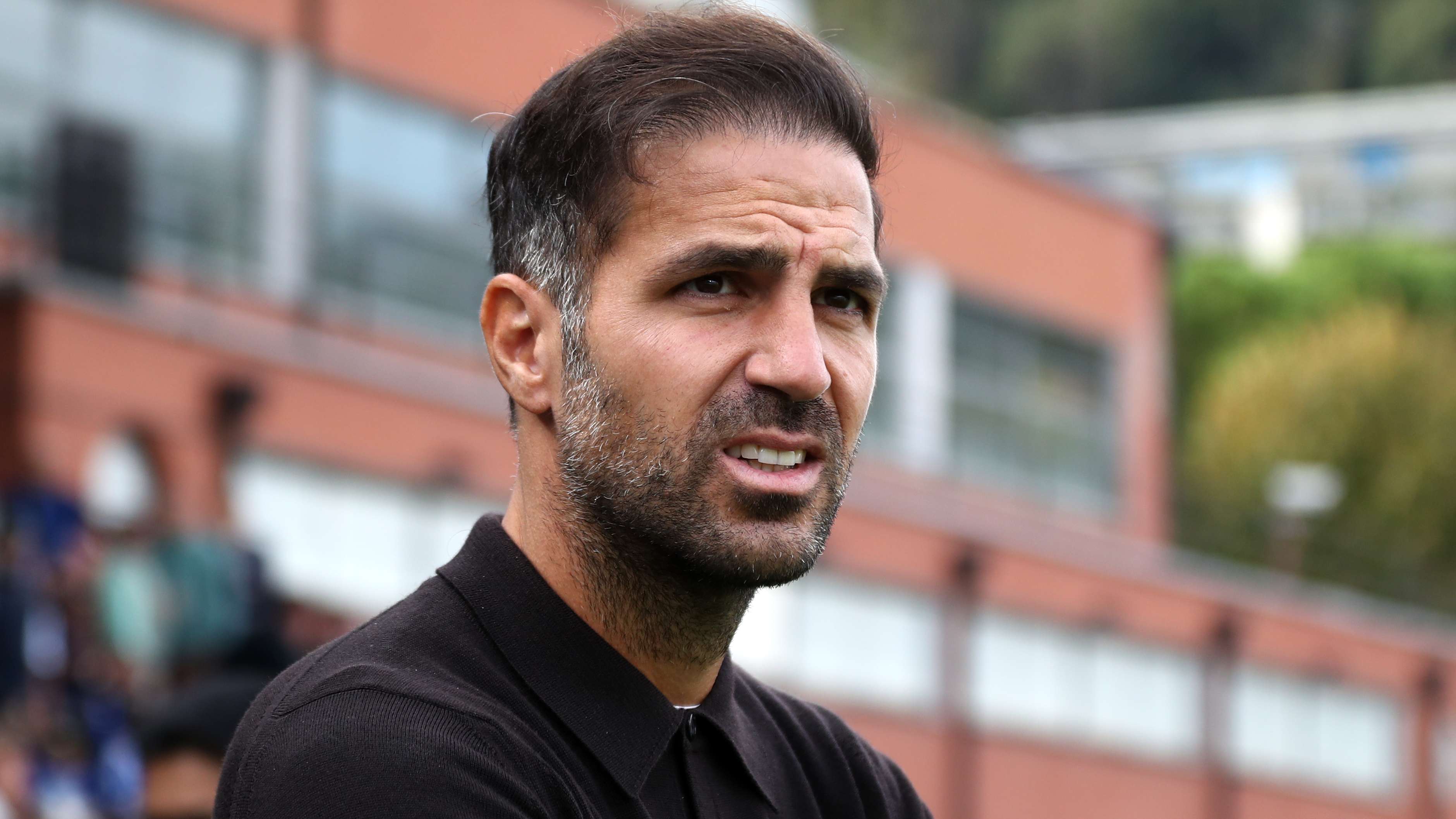
The Italian national team’s medical department has moved to explain its procedures after Como head coach Cesc Fabregas questioned how striker Moise Kean returned from international duty with a fitness problem. Fabregas suggested the issue might have been avoidable, prompting renewed discussion about communication and player welfare between national teams and clubs.
The situation highlights a familiar tension in modern football: national sides need their strongest available players, while clubs must manage those same athletes through demanding domestic and European schedules. When a player leaves a club, receives treatment or training with his country, and then returns unavailable or less than fully fit, questions can quickly arise over who made the relevant decisions and what information was shared.
Fabregas Raises Concerns Over Kean’s Condition
Fabregas, the former Arsenal, Chelsea and Barcelona midfielder who now leads Como, voiced frustration after Kean came back from international duty with a fitness concern. His comments reflected the club’s disappointment that the striker was affected after joining up with Italy, particularly because Fabregas believed the problem could have been prevented.
For a club coach, the timing of an injury can matter almost as much as its severity. A player’s absence may disrupt attacking plans, force changes to the starting lineup and place additional demands on teammates. Kean’s condition therefore became more than a medical update: it raised questions about the planning, monitoring and communication that take place when players move between club and country.
Fabregas’s criticism also touched on a broader issue in football. Clubs invest heavily in their players and oversee their day-to-day workload, but international teams have responsibility for athletes while they are on national-team duty. Both sides generally aim to protect a player’s health, yet disagreements can emerge when they interpret symptoms, training readiness or recovery requirements differently.
Italy’s Medical Department Responds
In response to the public criticism, Italy’s medical staff sought to clarify the protocols used during international camps. The purpose of such an explanation is to outline how players are assessed, how their condition is monitored and how medical information is handled when they arrive from their clubs and return to them.
International medical teams typically begin by reviewing a player’s physical condition and available medical information. Assessments can include conversations with the athlete, clinical examinations and evaluations of whether symptoms are compatible with training or match participation. Decisions may then be adjusted as new information becomes available, especially if discomfort develops or a player’s response to exercise changes.
Medical management is not always a simple matter of identifying an injury and immediately knowing how it will progress. Some problems become clearer only after a player has trained, travelled or completed a particular movement. That uncertainty can make communication especially important. Clubs and national teams need timely updates so that the player’s workload and treatment can be coordinated rather than managed in isolation.
Why Club and Country Communication Matters
The Kean episode underscores how closely connected club and international football have become. Players can travel long distances, train with different coaching staffs and face a quick return to league competition. Even when there is no dispute over the medical facts, a lack of clear communication can leave clubs feeling that they have not been given the full picture.
Good practice depends on more than sharing a final diagnosis. Useful communication can include details about when symptoms first appeared, what activities a player completed, whether training was modified and what advice was given before the player returned to his club. These details help club doctors and coaches plan the next stage of recovery and reduce the risk of rushing an athlete back into action.
There is also a practical distinction between a player being unavailable for a match and being unable to participate in every form of training. Medical teams may use controlled exercise to assess a problem, while coaches may focus on whether the player can perform at the intensity required for competition. Explaining that difference can help prevent misunderstandings when a player is seen training but is later ruled out of a fixture—or vice versa.
Player Welfare in a Crowded Football Calendar
Kean’s case arrives amid continuing concern about the physical demands placed on professional footballers. Top players may be required to compete for their clubs, travel for international fixtures and return to domestic action within a short period. The schedule leaves limited time for recovery, while coaches at every level face pressure to select their best available players.
In that environment, preventing injuries is not always possible. However, careful workload management, honest reporting of symptoms and consistent medical oversight can reduce avoidable risks. Players also have an important role: they need to report discomfort accurately, even when they are eager to play or concerned that disclosing a problem could affect their place in the team.
The challenge is to balance competitive demands with long-term health. A decision that appears cautious to one coach may look unnecessarily restrictive to another, while a player who feels ready may still require further assessment. Clear reasoning and transparent updates can help all parties understand why a particular course of action was taken.
What the Episode Could Mean for Como and Italy
For Como, Kean’s fitness will be important as Fabregas shapes the team’s attacking options. The striker’s availability could influence selection, tactical choices and the amount of responsibility placed on other forwards. Until his condition is fully clear, any prediction about his immediate role should remain cautious: an assessment of training and recovery is more informative than speculation based solely on public comments.
For Italy, the exchange is a reminder that medical decisions can become public issues when they affect a high-profile player. The national team must maintain the confidence of clubs while carrying out its own responsibilities during international windows. A clear explanation of protocols can help, but sustained trust depends on consistent communication and cooperation over time.
Neither Fabregas’s concern nor Italy’s response necessarily settles every question about how Kean’s issue developed. The most useful outcome would be a detailed, professional exchange between the club and the national team, with the player’s welfare at its centre. That approach can protect the athlete while giving both coaching staffs a more reliable basis for planning.
A Wider Lesson for Modern Football
The discussion surrounding Kean reflects a recurring reality of elite football: injury management is shared work. Clubs and national teams may have different priorities, but they depend on the same player and ultimately benefit when medical information is accurate, prompt and understood by everyone involved.
As the game’s calendar grows more demanding, cases like this are likely to keep attention on how players are assessed during international duty. The key questions are not simply who is responsible when a player returns with a fitness problem, but how early warning signs are handled, how decisions are documented and whether communication supports a safe return to competition.
For now, Italy’s clarification and Fabregas’s comments have brought those issues into focus. Kean’s recovery will determine the immediate football consequences, while the wider debate may encourage clubs and national associations to strengthen the cooperation that modern player care requires.