
French Football Federation’s Sudden Shift: A Pivotal Moment in FIFA Presidential Race
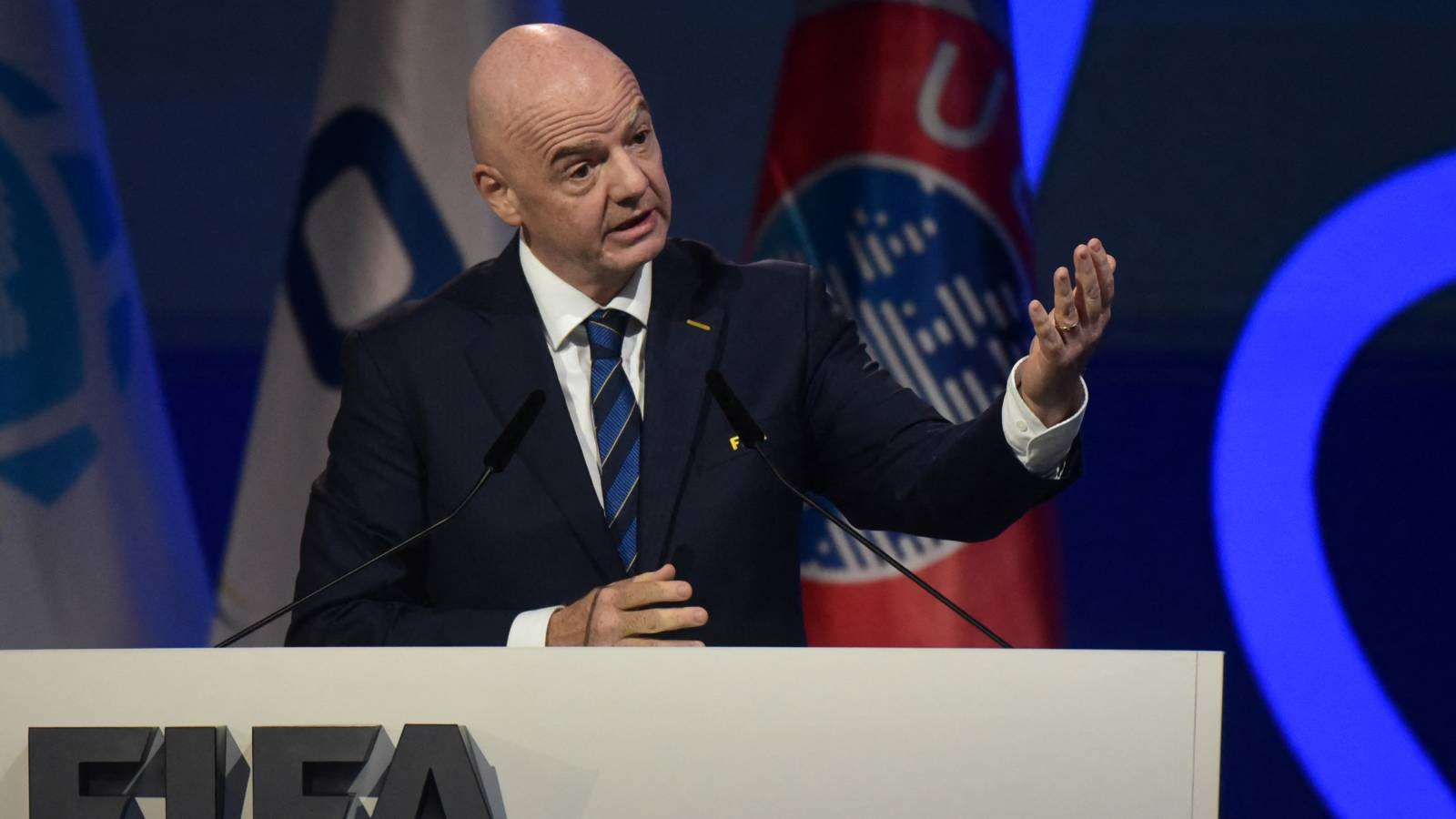
The upcoming FIFA presidential elections, scheduled for March 18 in Rabat, Morocco, have taken an unexpected turn thanks to a decisive move by the French Football Federation (FFF). Led by President Philippe Diallo, the FFF has announced its intention to withdraw full support for incumbent FIFA President Gianni Infantino, signaling a significant shift that could dramatically influence the race for football’s top leadership. This development is not just a local political statement; it resonates across the global football community, raising questions about governance, transparency, and the future direction of the sport.
A Bold Declaration: France Breaks Away from Infantino’s Support
According to reputable sports newspaper L’Équipe, the French Football Federation’s executive committee is poised to publicly renounce its backing of Gianni Infantino, despite the fact that the decision was never in doubt. This announcement is expected to be made officially on Thursday, marking a critical moment ahead of the election. The move comes amid mounting controversy surrounding Infantino’s leadership, especially following his controversial decision in the summer to sell stakes in the World Cup to private investors linked to figures close to former US President Donald Trump.
Such a stance from France, one of Europe’s most influential football nations, could have far-reaching consequences. Historically, France has played a pivotal role in shaping European football policies, and its support or opposition can sway other federations’ positions. The decision signals a clear dissatisfaction with the current FIFA administration and a call for reform within football’s global governance structure.
Philippe Diallo: The Voice of Football Principles and Reform
Philippe Diallo, a prominent figure within UEFA and the president of the French Football Federation, has been outspoken about his criticisms of Gianni Infantino’s leadership. In a fiery statement quoted by L’Équipe, Diallo expressed his disillusionment with recent developments, emphasizing that the current FIFA system no longer reflects the core values of football.
He stated, “I have previously criticized the distribution of World Cup revenues to national teams because I found it extremely unfair. Recent events, such as the cancellation of the red card decision for Balogun at Donald Trump’s request, the proposed expansion of the World Cup from 48 to 64 teams, and certain financial arrangements, have deviated from the essence of the game.” Diallo’s comments highlight growing concerns about transparency, fairness, and the integrity of decision-making within FIFA.
The Controversies Fueling the Rift
The decision to oppose Infantino is rooted in a series of controversial events and policies that have sparked dissatisfaction among European football federations. Notably, Infantino’s summer move to sell stakes in the World Cup to private investors—some with alleged links to political figures like Trump—has raised eyebrows. Critics argue this shift toward privatization threatens the sport’s integrity and risks turning football into a commercial commodity driven by profit motives rather than sporting excellence.
Furthermore, recent debates over the World Cup’s expansion from 32 to 48, then proposed to extend to 64 teams, have been met with skepticism regarding the added value and logistical challenges. Many believe these decisions prioritize commercial interests over the traditional values of the game and could dilute the quality of international tournaments.
The Political Context: UEFA and Infantino’s Challengers
While the French Federation’s move is significant, it also reflects broader political tensions within international football governance. UEFA President Aleksander Čeferin has been vocal in his opposition to Infantino, seeking to unseat him as part of a broader push for reform and accountability. Diallo’s stance aligns with Čeferin’s efforts, signaling a unified front among European federations calling for a more transparent and equitable FIFA.
This internal struggle within FIFA underscores the complex interplay of politics, economics, and sport. With France’s support potentially withdrawing, the balance of power in the upcoming elections could shift, favoring candidates who prioritize integrity and reform over the status quo.
Implications for Football Predictions and Future Governance
The French Federation’s announcement has added an unpredictable element to the election prediction landscape. Traditionally, support from major football nations like France could have guaranteed a candidate’s success, but with such a decisive break, the race now appears more competitive and uncertain. Analysts suggest that this move could galvanize other federations to reconsider their positions, thereby impacting the overall prediction of who will succeed Gianni Infantino as FIFA president.
Moreover, this development signals a possible turning point in football governance. The global football community is increasingly demanding transparency, fairness, and accountability from FIFA leadership. France’s stance may inspire other federations to follow suit, potentially leading to a more reform-oriented leadership that aligns with the sport’s foundational principles.
What to Expect Moving Forward
As the countdown to the FIFA elections continues, all eyes are on Rabat, where the French Football Federation will officially announce its stance. The decision is expected to influence not only the European federations but also the broader international football community. Stakeholders are watching closely to see whether this bold move will spark a wave of support for reform candidates or if it will deepen divisions within FIFA’s ranks.
In the meantime, football fans and analysts are debating the broader implications. Will this shift lead to a more transparent and principled FIFA? Can reform-minded candidates capitalize on France’s stance to challenge the incumbent? And ultimately, what does this mean for the future of football prediction and tournament governance?
Conclusion: A New Chapter in Football Leadership
The French Football Federation’s decision to withdraw its support for Gianni Infantino marks a significant turning point in the ongoing saga of football governance. As Europe’s influential voices rally for change, the upcoming FIFA elections are poised to become a defining moment that could reshape the sport’s leadership for years to come. Fans, players, and stakeholders worldwide will be watching with keen interest, eager to see whether this bold stand will lead to meaningful reform or further controversy in the beautiful game.
Stay tuned for updates on the election outcome, expert predictions, and how this pivotal moment will influence the future of international football—an ever-evolving sport that continues to captivate millions around the globe.