
India Sets Out to Defend Kabaddi Gold at the 20th Asian Games: A New Chapter in the Sport’s Historic Journey
The Asian Games, Asia’s most prestigious multi-sport event, is set to showcase a riveting display of athletic prowess, strategic mastery, and team spirit. Among the many sports featured, kabaddi continues to hold a special place, especially for India, which has historically dominated the sport with unparalleled success. As the 20th Asian Games commence in Aichi-Nagoya on September 21, India’s men’s and women’s kabaddi teams enter the competition with the formidable goal of defending their titles and reaffirming their status as the sport’s global powerhouses.
Historical Context: India’s Dominance in Asian Games Kabaddi
Since its inclusion in the Asian Games in 1990, kabaddi has become a symbol of Indian sporting excellence. India’s men’s team, riding a wave of dominance, secured seven consecutive gold medals from 1990 to 2014, a streak that underscored their supremacy in the sport. The women’s team, equally formidable, has consistently been a medal contender, clinching gold in 2010, 2014, and 2022, with a silver in 2018. Their combined success has elevated kabaddi to a national sport of pride, inspiring countless young athletes to pursue excellence on the mat.
The 20th Asian Games Kabaddi Tournament: An Overview
The kabaddi competition at the 2022 Hangzhou Asian Games set new standards of excitement and intensity, and the upcoming edition promises to be even more thrilling. Held at the state-of-the-art Tokai Citizens Gymnasium from September 21 to 26, the tournament will feature ten men’s teams and eight women’s teams competing in a rigorous format of round-robin group stages, semi-finals, and medal matches. The event is anticipated to be a showcase of tactical brilliance, athletic agility, and team coordination, captivating fans across Asia and beyond.
Group Dynamics: A Strategic Preview
Men’s Kabaddi: A Battle of Titans
India’s men’s team has been placed in Group A alongside host nation Japan, South Korea, Chinese Taipei, and Bangladesh. Meanwhile, Group B includes traditional powerhouses Iran, Nepal, Thailand, Pakistan, and Malaysia. Notably, the grouping ensures that India and Iran, the sport’s two greatest rivals, do not face each other in the initial stages, setting the stage for a dramatic showdown in the knockout rounds. The Indian team faces challenging matches against Bangladesh and the hosts Japan, who will benefit from the home crowd’s fervent support, adding an extra layer of pressure and motivation.
Women’s Kabaddi: A Tightly Contested Arena
India’s women are grouped with Iran, Japan, and Bangladesh in Group A, while Chinese Taipei, Sri Lanka, Thailand, and Nepal comprise Group B. Unlike the men’s tournament, India’s women will confront Iran early, on September 23, a match that could set the tone for their campaign. Iran, with its high-tempo gameplay and tactical discipline, is a formidable opponent, as evidenced by their past performances and victories in recent tournaments. Chinese Taipei, meanwhile, continues to emerge as a rising force, establishing itself as a standard-bearer for women’s kabaddi outside India and Iran.
Key Contenders and Dark Horses: Who Will Make the Final Push?
Iran: The Rising Power
Iranians have demonstrated their rise in the kabaddi world by ending India’s dominance at the 2018 Jakarta Asian Games, where they clinched gold in both men’s and women’s events. Their aggressive, high-energy style of play challenges traditional Indian tactics and has led to a redefinition of competitive standards in Asian kabaddi. The Iranian teams’ ability to adapt and innovate makes them the most significant threat to India’s gold medal ambitions this year.
Chinese Taipei: The Outsiders with Growing Potential
Chinese Taipei’s progression into the finals at the last Asian Games signifies their emergence as a formidable outsider in the women’s category. Their disciplined approach and tactical acumen have earned respect, and their push for an upset victory adds an exciting narrative to the tournament. Their performance in this edition will be closely watched, especially as they gear up for potential semi-final clashes against top contenders.
Bangladesh and South Korea: Experienced Medallists
Bangladesh, with its rich history of success in Asian Games kabaddi, remains a strong contender, especially in the men’s tournament. South Korea, known for their disciplined approach and strategic gameplay, also pose a significant challenge and could spring surprises in the knockout stages. These teams’ experience and hunger for medals will be a critical factor in shaping the tournament’s outcome.
India’s Road to Gold: Strategies, Coaches, and Expectations
Men’s Team: A Legacy of Excellence
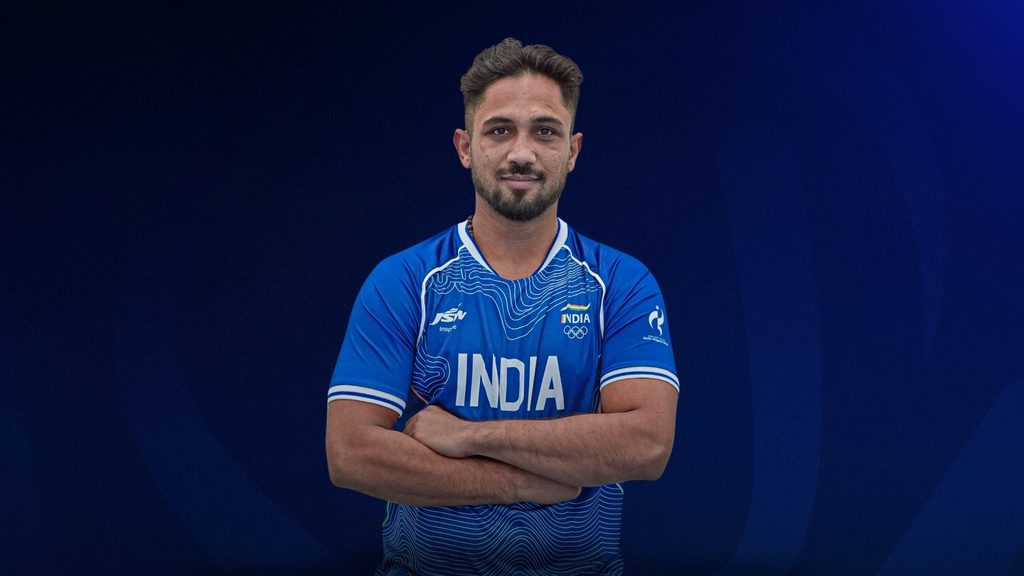
India’s men’s kabaddi team is led by head coach Balwan Singh, a legend in the sport with 14 international gold medals as a coach. His leadership has been instrumental in maintaining India’s top position globally. Singh, who has also coached India to three Kabaddi World Cup titles, emphasizes disciplined defense, swift counter-attacks, and mental toughness. His coaching philosophy revolves around respecting every opponent and minimizing errors across the 40-minute match duration.
Assistant coach BC Ramesh, with his experience in the Pro Kabaddi League, adds tactical depth to the team, helping craft innovative strategies that blend traditional techniques with modern agility. The team’s focus remains on error-free play and exploiting opponents’ weaknesses, a mindset that has served India well in past tournaments.
Women’s Team: Pursuing a Fourth Gold
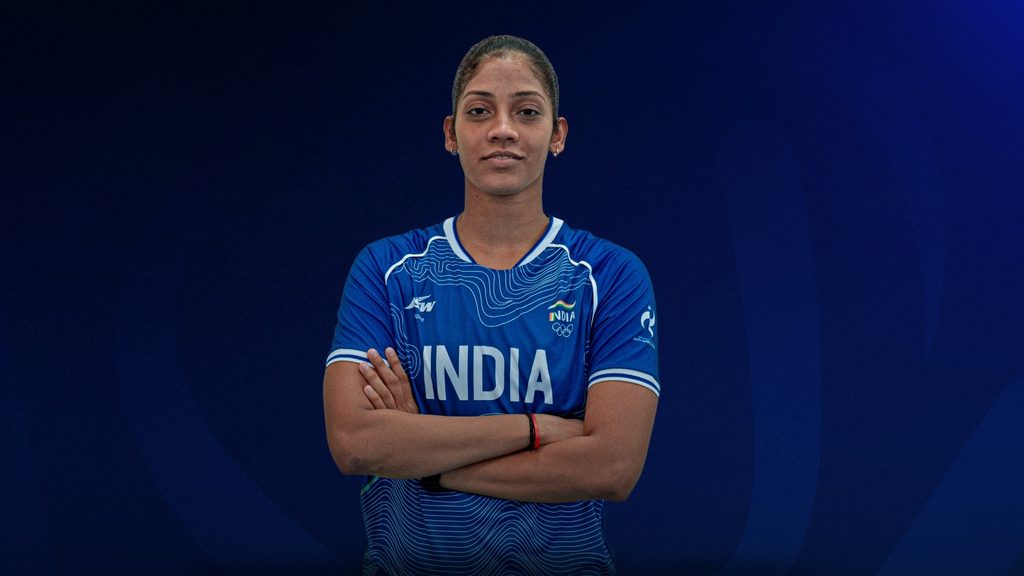
India’s women’s team, aiming for their fourth gold in five Asian Games appearances, boasts a talented squad led by captain Pushpa Rana. The team’s core includes Sonali Shingate, Sanju Devi (the MVP of the 2025 Women’s Kabaddi World Cup), and a blend of experienced players and emerging talent. Coached by Neeta Dadwe and Mamtha Poojari, they focus on maintaining their high-tempo style of play, building on their previous successes, and overcoming formidable opponents like Iran and Chinese Taipei.
Assistant coach Mamtha Poojari highlights Iran’s aggressive gameplay and Chinese Taipei’s tactical discipline as key challenges. The team’s preparation emphasizes adaptability, quick transitions, and mental resilience, vital for navigating the tight schedule and high stakes of the tournament.
Match Schedule and Key Fixtures
The tournament kicks off with high-stakes matches that will set the tone for India’s quest to retain gold:
- September 21: Men’s team vs Japan at 9:45 AM IST; Women’s team vs Bangladesh at 4:15 PM IST
- September 22: Men’s team vs South Korea at 7:15 AM IST
- September 23: Women’s team vs Iran at 8:30 AM IST; Men’s team vs Bangladesh at 9:45 AM IST
- September 24: Men’s team vs Chinese Taipei at 9:45 AM IST; Women’s team vs Japan at 4:15 PM IST
- September 25: Semi-final matches for both categories, with the women’s final scheduled at 9:30 AM IST and the men’s final at 2:30 PM IST on September 26.
The Significance of Kabaddi at the Asian Games
For India, kabaddi is more than just a sport; it’s a reflection of cultural pride and athletic excellence. The sport’s inclusion in the Asian Games has helped elevate its global profile, fostering international competition and encouraging young athletes to pursue the sport professionally. The upcoming tournament is expected to be a showcase of evolving tactics, athleticism, and passion, with India aiming to reaffirm its dominance while facing new challenges from emerging nations.
Conclusion: A Battle of Tradition and Innovation
As the 20th Asian Games unfold, kabaddi enthusiasts across Asia and around the world will witness a compelling narrative of tradition meeting innovation. India’s historic legacy adds pressure and motivation for the men’s and women’s teams to perform at their peak. Meanwhile, rising powers like Iran and Chinese Taipei inject fresh energy into the competition, promising a tournament filled with thrilling moments, strategic battles, and memorable victories. For fans, experts, and athletes alike, this edition of the Asian Games kabaddi promises to be a landmark event, celebrating the sport’s rich heritage and bright future.