
Can Saudi Arabia’s “Green Falcons” Win the World Cup by 2046?
Saudi Arabia has set its sights on football’s ultimate prize, but the country’s first World Cup title will require more than a talented squad or a successful tournament campaign. Faisal Al-Abdulhadi, a former secretary-general of the Saudi Arabian Football Federation, believes the groundwork must begin with reforming how the sport is governed.
Speaking to the Thmanyah media channels, Al-Abdulhadi outlined a long-term vision for the national team, suggesting that Saudi Arabia could aim to win the World Cup for the first time in 2046. His proposed timeline points to a challenge spanning two decades—one that would involve improving the structures behind the team as well as the players on the pitch.
Saudi Arabia’s World Cup history
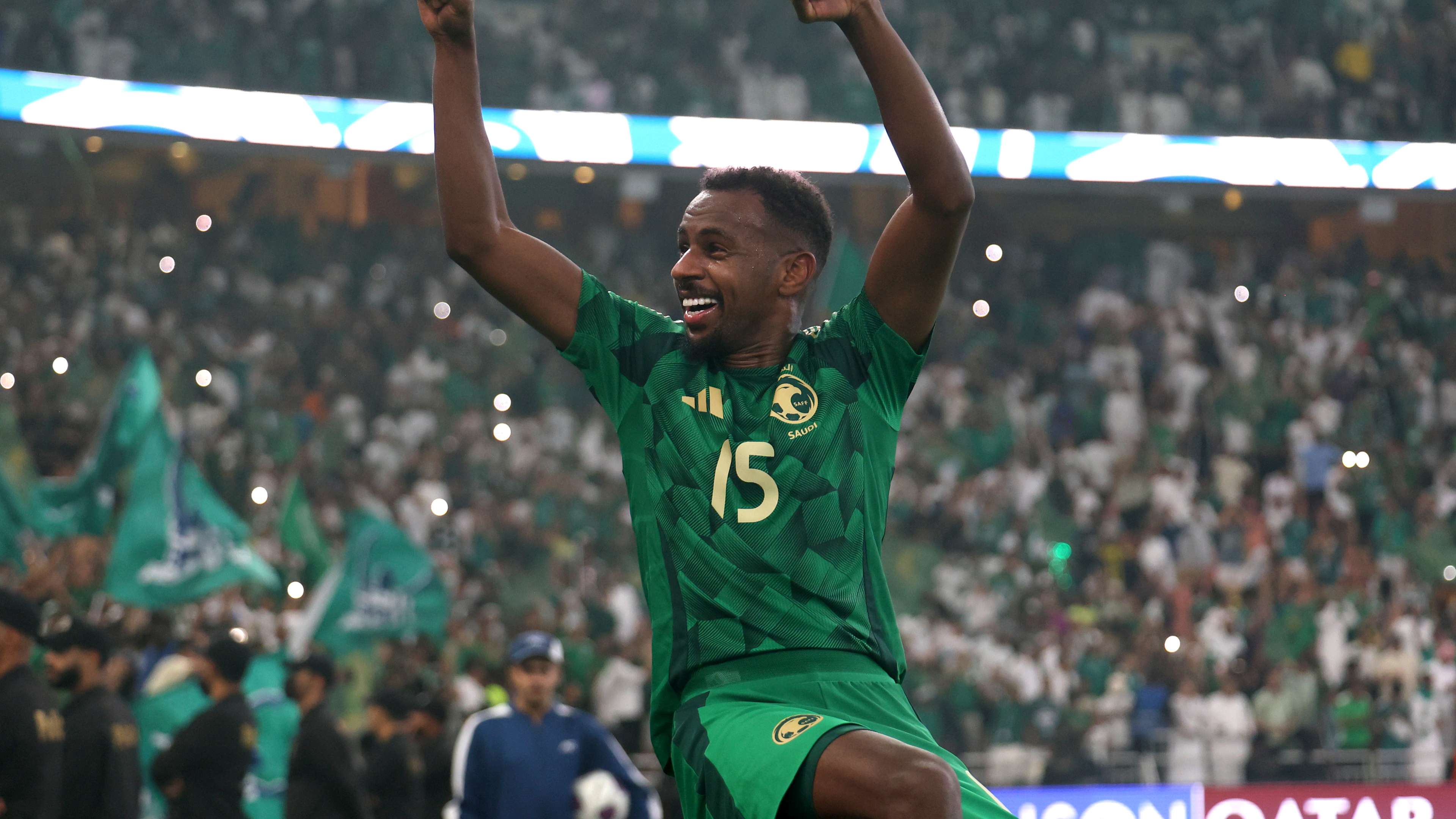
The Green Falcons have appeared at seven FIFA World Cup tournaments. Their most memorable run came on their debut in 1994, when they advanced to the knockout stage. Saudi Arabia has not repeated that achievement since, making a return to the last 16 a significant milestone for the national side.
That history offers both encouragement and a reminder of the scale of the task. Reaching the knockout rounds showed that Saudi Arabia could compete on the world stage, but sustained progress requires a system capable of developing players, coaches and teams over many years. A World Cup prediction made this far ahead is necessarily uncertain; still, Al-Abdulhadi’s comments shift attention from short-term results to the foundations that shape them.
Why football governance matters
Al-Abdulhadi identified the question of who controls Saudi football as one of the sport’s central challenges. In his view, the strength of the Saudi Arabian Football Federation’s general assembly is crucial because it influences the accountability and authority of the federation’s board.
He argued that a weak general assembly can leave the board with broad freedom to make decisions, while a strong assembly can help produce stronger leadership and outcomes. His point is not simply about administrative procedure: governance can affect how priorities are set, how resources are allocated and how consistently long-term plans are carried out.
For a national team hoping to compete for a World Cup, those decisions can have consequences throughout the football system. Clear responsibilities and effective oversight may help ensure that development programmes continue beyond changes in leadership, and that decisions are guided by the needs of the game rather than short-term pressures.
Who should shape the game?
According to Al-Abdulhadi, the general assembly draws members from several parts of Saudi sport, including football clubs, national-team coaches, referees and the Olympic committee. He said the concern is that representatives are not always selected in the best possible way.
That raises a broader question for Saudi football: how can the people who understand the game’s everyday challenges have a meaningful voice in its direction? Clubs are central to player development, coaches bring insight into training and competition, and referees contribute expertise on the rules and standards of the sport. A representative structure that reflects these perspectives could support more informed decision-making.
Governance reform alone, however, would not guarantee a World Cup-winning team. Saudi Arabia would also need a reliable pipeline of elite players, high-quality coaching, competitive domestic football and strong preparation against international opponents. These elements work together: a well-run federation can set a clear strategy, but that strategy must ultimately translate into better football on the field.
Saudi Arabia’s 2034 World Cup opportunity
Saudi Arabia will host the 2034 FIFA World Cup, giving the country a major opportunity to grow its football infrastructure and deepen public interest in the sport. Hosting the tournament does not automatically make a national team a contender, but it can create a powerful focus for investment, planning and development.
The event will also place Saudi football under intense international attention. Preparation will involve more than stadiums and tournament operations. The country will need to consider how facilities, coaching standards, youth pathways and domestic competitions can contribute to lasting progress after the final whistle of the 2034 final.
Saudi Arabia will become the third Arab country to host the men’s World Cup. Qatar staged the 2022 tournament, while Morocco is set to co-host the 2030 edition with Spain and Portugal. Each event adds to the region’s growing role in global football, while giving host nations the chance to strengthen their sporting profile and inspire a new generation of players.
A long-term prediction, not a guarantee
Al-Abdulhadi’s suggested 2046 target gives Saudi football a distant but clear ambition. Between now and then, the national team will face several generations of change, and progress will depend on whether reforms are sustained rather than announced as one-off measures. The 2034 World Cup could serve as an important checkpoint, but the ultimate test will be whether Saudi Arabia can build a competitive team that continues to improve afterward.
For supporters, the prospect of the Green Falcons lifting the World Cup is an exciting one. Yet the most realistic prediction is that success will be shaped by decisions made well before the tournament itself: who leads the sport, how representatives are chosen, how young players are developed and how consistently the national team is prepared for the highest level.
Saudi Arabia’s 1994 run remains proof that the team can make an impact at a World Cup. Turning that achievement into a platform for regular progress—and eventually a genuine challenge for the title—will demand patience, strong institutions and a football system built to serve the game. The 2046 goal may be ambitious, but Al-Abdulhadi’s message is clear: the path to winning begins with getting the foundations right.